Security Slam 2026 Fall Edition Kicks Off 30-Day Global Push for Open Source Security Excellence

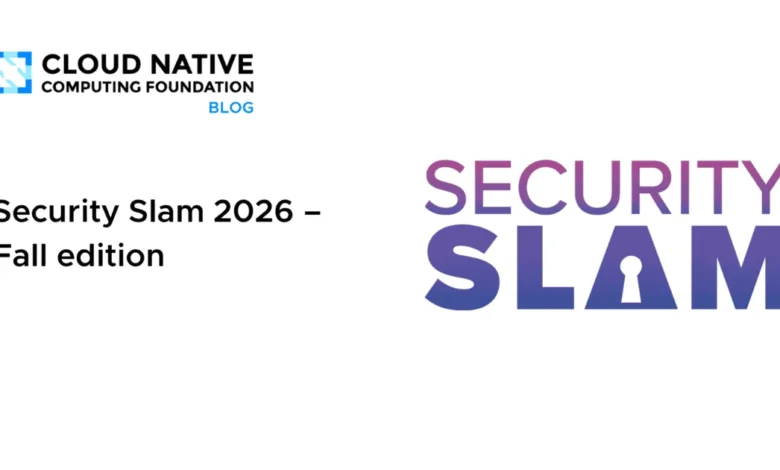
The Open Source Security Foundation (OpenSSF), in strategic partnership with the Cloud Native Computing Foundation (CNCF) Security Technical Advisory Group (TAG Security), has officially announced the commencement of the Security Slam 2026 Fall Edition. This intensive 30-day virtual initiative, running from October 5 through November 6, 2026, represents a concerted effort to bolster the security posture of the global open source ecosystem. By providing project maintainers and contributors with actionable tools, expert guidance, and structured security milestones, the event aims to address the increasingly complex threat landscape facing modern software supply chains.
The Evolution of the Security Slam
The Security Slam has matured significantly since its inception, evolving from a niche internal exercise for CNCF projects into a broad, industry-wide collaborative movement. Now in its sixth iteration, the initiative reflects a shift in how open source communities prioritize security. Early iterations, such as the Kubernetes Lightning Round, focused primarily on onboarding and rudimentary security hygiene. These initial experiments underscored a critical need: maintainers often understand the necessity of security, but they frequently lack the dedicated time or specialized resources to implement rigorous scanning, dependency management, and threat modeling protocols.
The 2026 Fall Edition represents the most inclusive iteration to date. Historically restricted to CNCF-hosted projects due to the proprietary nature of certain evaluation metrics and tooling, the 2026 event has removed these barriers. The organizers have confirmed that any open source project—regardless of its host foundation or size—is now eligible to participate. This democratization of security resources is a response to the growing recognition that the software supply chain is only as strong as its weakest link, and that small, upstream dependencies are often the most overlooked vectors for potential security breaches.
Strategic Objectives and the Slam Library
At the core of this year’s initiative is the "Slam Library," a centralized repository of web resources meticulously curated by OpenSSF project leads, staff, and maintainers. The library is designed to serve as a roadmap for participants, breaking down complex security requirements into manageable, maturity-based tasks.
"The goal is not to overwhelm maintainers with theoretical requirements," noted representatives close to the project development teams. "The goal is to provide a practical, hands-on path toward measurable security hygiene."
Participants are encouraged to align their efforts with their project’s current maturity level. For nascent projects, this might involve implementing basic supply chain transparency tools, such as Software Bill of Materials (SBOM) generation. For more mature, widely adopted projects, the focus shifts toward advanced remediation, such as automated vulnerability scanning, fuzzing, and the integration of Sigstore for cryptographic signing of artifacts. By segmenting tasks, the Security Slam ensures that participants can make tangible progress within the 30-day window, regardless of their starting point.
Chronology and Operational Timeline
The event is structured to maximize momentum, culminating in a public display of achievements at KubeCon + CloudNativeCon North America. The timeline is as follows:
- September 25, 2026: Official announcement and opening of registration.
- October 5, 2026: The Security Slam begins; participants receive initial instructions and access to the Slam Library.
- October 5 – November 6, 2026: The 30-day active period, during which projects complete security hygiene milestones.
- November 10 – 12, 2026: KubeCon + CloudNativeCon North America; official participant achievement awards are distributed at OpenSSF booth #313.
This timeline is intentionally aligned with the KubeCon conference cycle to foster a sense of community and accountability. In previous years, the physical presence of awards—such as the iron-on badges and framed plaques introduced in 2023—provided a tangible incentive for teams to complete their objectives. Organizers noted that these symbols of achievement frequently remain displayed at project tables long after the event concludes, serving as a reminder of the project’s commitment to security.
Supporting Data and Industry Context
The urgency of the Security Slam is underscored by the current state of cybersecurity. According to industry reports from 2025 and early 2026, the volume of malicious packages targeting open source repositories has continued to rise, with sophisticated attackers increasingly utilizing typosquatting and dependency confusion tactics.
The success of the 2026 Spring event serves as a bellwether for the Fall edition. During the Spring session, participating projects reported a marked increase in the implementation of automated security workflows. Quantitative data from past Slams indicates that projects involved in these initiatives are, on average, 40% more likely to maintain an up-to-date security policy and show a significantly faster mean-time-to-remediation (MTTR) for newly disclosed vulnerabilities compared to projects that have not participated in organized security hygiene efforts.
Broader Implications for the Open Source Ecosystem
The broader implication of the Security Slam is the normalization of "Security as Code." By integrating security milestones into the development lifecycle through a gamified, community-driven format, the OpenSSF and CNCF are effectively lowering the barrier to entry for robust security practices.
The shift toward universal eligibility is particularly significant. As the industry moves toward a "secure by default" philosophy, initiatives like the Security Slam provide the infrastructure necessary for independent developers and smaller organizations to compete on equal footing with enterprise-scale software entities. By fostering a culture where security is viewed as an essential feature rather than an administrative burden, the event aims to create a more resilient foundation for the global digital economy.
Furthermore, the collaboration between the OpenSSF and CNCF signifies a broader trend of cross-foundation cooperation. Security is not an isolated domain; it is deeply intertwined with cloud-native deployment patterns and distributed systems. By aligning the technical expertise of the OpenSSF with the operational reach of the CNCF, the organizers have created a powerful multiplier effect that accelerates the adoption of best practices across the entire cloud-native stack.
Expert Perspectives and Community Reactions
While individual project maintainers are the primary participants, the Security Slam has garnered support from a wide range of stakeholders, including enterprise users, security auditors, and foundation leadership. Analysts suggest that the program’s success rests on its ability to provide clear, actionable goals that do not disrupt the velocity of open source development.
"The Security Slam isn’t about creating new layers of bureaucracy," one industry analyst observed. "It is about streamlining the adoption of existing security tools—like those developed by the OpenSSF—so that maintainers can focus on what they do best: writing code, while doing so within a hardened environment."
The 2026 Fall Edition also emphasizes the role of mentorship. By maintaining availability of staff and maintainers via the official website throughout the month, the event ensures that participants have access to real-time support. This human element is critical; many security failures in open source projects stem from a lack of documentation or difficulty in configuring security tools. The presence of a support network transforms the Security Slam from a passive checklist exercise into an active learning experience.
Moving Forward
As the October 5 kickoff approaches, the organizers remain focused on driving high levels of engagement. Registration remains open, and potential participants are encouraged to visit the official website to sign up for event reminders and technical documentation.
For the broader tech community, the Security Slam 2026 serves as an indicator of where the industry is headed. The days of "security-optional" software development are drawing to a close. As regulators and corporate consumers alike demand higher standards of supply chain integrity, initiatives that incentivize and reward proactive security measures will likely become a permanent fixture of the open source landscape. The 2026 Fall Security Slam stands as a testament to the belief that security is a collective responsibility, best achieved through transparency, collaboration, and shared technical standards. Whether through the adoption of new signing protocols, the automation of vulnerability scanning, or the simple act of auditing project dependencies, every contribution made during this 30-day period serves to strengthen the global software supply chain for the benefit of all users.