Office Depot Group Rebrands to Unify Retail and B2B Operations Under Legacy Identity

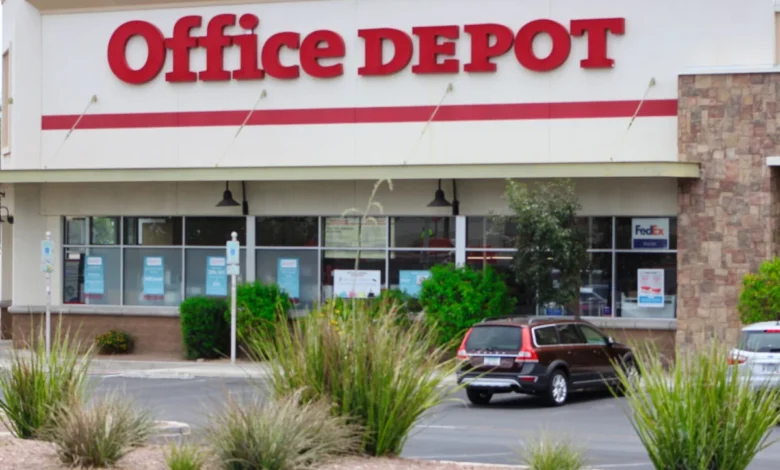
In a strategic pivot designed to consolidate its market presence, the parent company formerly known as The ODP Group has officially rebranded as Office Depot Group. This transition involves the sunsetting of its B2B distribution arm’s name, ODP Business Solutions, in favor of the unified Office Depot Business moniker. The move marks a definitive effort by the 40-year-old organization to harmonize its retail storefronts and enterprise-level supply chain operations under a single, globally recognized brand identity.
This rebranding initiative, which will permeate the company’s digital presence, marketing collateral, and corporate communications in the coming weeks, represents a significant departure from the decentralized naming conventions the company adopted during its previous restructuring phases. By reclaiming the primary Office Depot name for its entire portfolio, the company is betting that its four-decade legacy will serve as a powerful catalyst for future growth and customer retention.
A Chronology of Corporate Evolution
The path to this rebranding is rooted in years of structural transformation for the company. Office Depot, once a cornerstone of the big-box retail era, has spent the last decade navigating the rapid decline of brick-and-mortar office supply demand and the parallel rise of digital procurement.
In 2013, Office Depot and OfficeMax finalized a merger to better compete against industry rivals such as Staples and the burgeoning e-commerce dominance of Amazon. Following the merger, the company underwent several iterations, eventually forming The ODP Corporation in 2020 as a holding company to manage its diverse business units, which included retail, contract, and technology services.
By 2022, the company further segmented its operations, establishing ODP Business Solutions as a standalone B2B entity. This move was intended to highlight the company’s focus on enterprise distribution and supply chain logistics, separating it from the volatility of the retail consumer market. However, market feedback and internal assessments have led leadership to conclude that the fragmentation of these names may have created unnecessary friction in the customer journey. The transition to Office Depot Group serves as the final step in a decade-long attempt to find a sustainable business model that balances retail visibility with high-volume B2B logistics.
Market Positioning and Competitive Landscape
Office Depot currently occupies a critical position within the North American retail and distribution sector. According to data from the Top 2000 Database, which tracks annual e-commerce performance, Office Depot is ranked as the 24th largest online retailer in North America. Within the highly competitive office supplies category, it maintains the position of the second-largest retailer, trailing only behind Staples.
The pressure to evolve is significant. As remote and hybrid work models have become standard, the demand for traditional office supplies—paper, toner, and basic desk accessories—has faced secular decline. In response, both Office Depot and its primary competitors have shifted their focus toward "workplace solutions," which include janitorial supplies, breakroom amenities, technology hardware, and managed print services. The rebrand to Office Depot Group is not merely a cosmetic change; it is an attempt to signal that the company is a comprehensive provider of business essentials, not just a seller of pens and paper.
Executive Perspective and Strategic Intent
Craig Gunckel, the current CEO of Office Depot, has framed the rebranding as a necessary homecoming. In a formal statement released via LinkedIn, Gunckel emphasized the intangible value of brand equity built over 40 years.
"Office Depot is a brand with more than 40 years of history behind it—the kind of recognition that can’t be built overnight, only earned over decades by showing up for our customers, our partners and the communities we serve," Gunckel noted.
For the executive team, the move is rooted in the philosophy of "legacy-led growth." By leveraging the trust and familiarity of the Office Depot name, the company aims to reduce the "cognitive load" on clients who may have been confused by the distinction between the retail brand and the B2B division. Gunckel stated that as the company continues to rebuild its business for the future, returning to its core identity will have a positive, tangible impact on co-workers, customers, and long-term stakeholders.
Analysis: The Risks of Legacy Branding
While the internal enthusiasm for the rebrand is evident, industry analysts maintain a cautious outlook. The primary challenge lies in the "legacy trap"—a phenomenon where a brand is so strongly associated with a specific, outdated product category that it struggles to pivot into new, more profitable sectors.
Alys Reynders, chief marketing officer at the operations platform Quickbase, highlighted the potential for brand dilution. "One big concern is that procurement officers have already built four decades of connotations to the Office Depot brand as a brick-and-mortar entity," Reynders observed. "This could mask the broader scope of the company as a whole, which runs the risk of limiting what clients believe the firm can and can’t do for them."
In the B2B space, perception is paramount. If a potential client views Office Depot solely as a retail store where they might purchase a printer cartridge, they may overlook the company’s capabilities in large-scale logistics, enterprise procurement, and digital solutions. The risk is that the brand identity becomes "too narrow," preventing the company from being considered for high-level consultative services.
However, Reynders also acknowledged the benefits of consistency. "When managed effectively, operating under a single entity can stamp out customer confusion about who the brand is and its heritage. It allows for a unified message, which is essential when competing against agile, digitally native competitors."
The Challenge of Modernization
Shailendra Pratap Jain, a professor of marketing at the University of Washington’s Foster School of Business, frames the rebrand as a "useful turnaround signal" that is ultimately limited by the reality of the business.
"The B2B side is particularly interesting. Renaming ODP Business Solutions as Office Depot Business gives the company immediate familiarity and legitimacy," Jain said. "It also creates a strategic challenge: can a brand strongly associated with retail office supplies stretch credibly into a broader B2B solutions and distribution identity?"
According to Jain, the success of this rebrand will not be determined by the logo or the company name, but by the company’s ability to change its value proposition. He posits that the transition requires a shift in consumer perception—moving from being seen as a "place where businesses buy supplies" to "the company that helps businesses operate."
This shift requires a fundamental transformation in how Office Depot structures its product mix, pricing, and distribution. If the company continues to focus primarily on traditional retail office products while claiming to be a high-end B2B solutions provider, the brand name may be insufficient to bridge that gap. The "real test," as Jain notes, is whether the firm can successfully integrate its service-oriented, digital-first business model with the retail legacy it has chosen to highlight.
Future Implications for Stakeholders
The rebranding marks a definitive point of no return for the organization. By consolidating its identity, Office Depot Group is committing to a future where its retail and B2B divisions are mutually supportive. For investors, this is a signal that the company has finished its period of intensive restructuring and is now entering a phase of brand consolidation.
For customers, the impact will likely be felt in the streamlining of digital interfaces and a more consistent omni-channel experience. The company’s ability to maintain its retail footprint while simultaneously expanding its reach in the B2B sector will determine whether this rebranding succeeds in the long term.
As the retail landscape continues to shift, Office Depot’s move serves as a case study in the tension between leveraging historical brand equity and the necessity of modernizing for a digital-first economy. The company is betting that the trust inherent in its 40-year-old name is the most effective tool it has to convince the next generation of business leaders that it remains a relevant and vital partner in their day-to-day operations. Whether this strategy will lead to sustained growth or merely reinforce the limitations of a legacy brand remains the central question for the organization in the coming fiscal years.
Related posts: