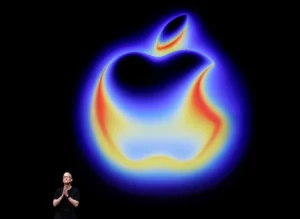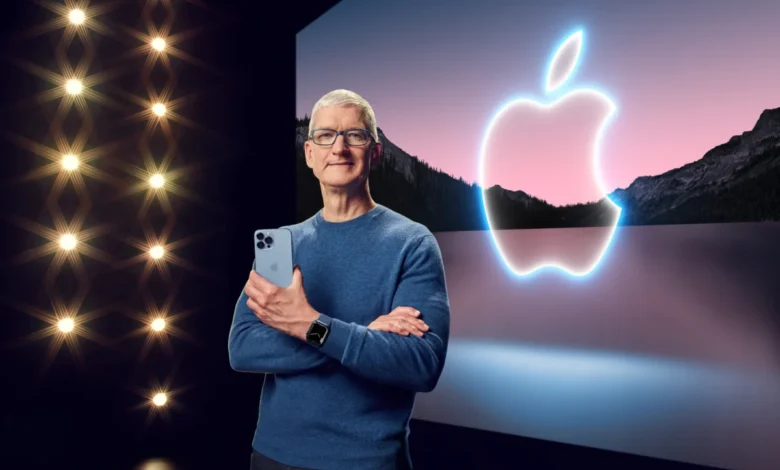
Apple Inc. is bracing for a historic transformation this September as CEO Tim Cook prepares to step down, officially passing the mantle of leadership to John Ternus, the company’s current senior vice president of Hardware Engineering. This transition marks the end of a pivotal 14-year tenure for Cook, who oversaw Apple’s ascent to become the world’s most valuable company, and initiates a new chapter under Ternus—a veteran executive who has been instrumental in the design and delivery of the iPhone, iPad, and Mac lineups.
The Architect of a New Era
Tim Cook’s departure closes a chapter defined by extreme financial discipline, operational excellence, and the successful diversification of Apple’s revenue streams through services and wearables. When Cook succeeded Steve Jobs in 2011, Apple was a company primarily defined by the iPhone’s explosive growth. Under Cook, Apple evolved into a services powerhouse, with the App Store, iCloud, Apple Music, and Apple Pay becoming central to the company’s ecosystem.
John Ternus, by contrast, brings a deep engineering background that mirrors the hardware-first DNA of the company’s founders. Since joining Apple in 2001, Ternus has climbed the ranks to lead the hardware engineering teams responsible for the Apple Silicon transition—a move that effectively decoupled Apple from Intel and allowed for unprecedented performance gains in the Mac product line. Industry analysts suggest that his appointment signals a strategic pivot back toward technical hardware innovation, even as the company faces unprecedented headwinds in software and platform governance.
A Shifting Regulatory and Competitive Landscape
While Ternus inherits a robust balance sheet and a fiercely loyal customer base, he assumes control during a period of significant geopolitical and regulatory volatility. Unlike the relative stability of the mid-2010s, the current landscape is defined by the erosion of Apple’s "walled garden."
The company is currently battling intense scrutiny from global regulators regarding its App Store policies. The long-standing 30% commission model, which served as a bedrock for Apple’s service revenue, is under legal siege in multiple jurisdictions, including the European Union under the Digital Markets Act (DMA). Furthermore, the emergence of "vibe-coded" applications—agile, AI-driven software tools that prioritize user experience and rapid iteration over traditional ecosystem constraints—is fundamentally altering how developers build for Apple’s hardware.
Timeline of the Transition
The announcement of the CEO transition follows years of internal succession planning. While the public announcement was made in April 2026, the groundwork for this shift began much earlier:
- 2011: Tim Cook assumes the CEO role following the passing of Steve Jobs.
- 2019-2021: Apple pivots heavily toward proprietary silicon, with John Ternus leading the transition of the Mac lineup to M-series chips.
- 2023-2025: Increasing regulatory pressure from the European Commission and the U.S. Department of Justice targets Apple’s closed ecosystem and App Store dominance.
- April 2026: Apple confirms the leadership transition; Tim Cook announces his departure scheduled for September 2026.
- September 2026: Official handoff of CEO duties to John Ternus.
Financial Context and Market Dynamics
Apple’s financial health remains the envy of the tech sector, yet growth metrics are beginning to plateau in mature markets. In the most recent fiscal quarters, Apple has relied on its services division to offset the cyclical nature of hardware sales. According to recent earnings reports, services revenue has grown to represent over 20% of total company income, a testament to the success of Cook’s long-term strategy.
However, the $60 billion valuation placed on recent AI-driven initiatives, such as the interest in developer tools like Cursor, highlights where the market expects the next phase of growth to come from. Investors are looking for Apple to integrate artificial intelligence more deeply into its hardware, potentially moving beyond its "Apple Intelligence" rollout into more autonomous and generative computing experiences. The acquisition activity surrounding these technologies suggests that Ternus will need to be more aggressive in mergers and acquisitions than his predecessor.
The Developer Dilemma
Perhaps the most immediate challenge for the incoming CEO is the relationship with the developer community. For years, the "walled garden" approach guaranteed high-quality, secure applications but at the cost of developer autonomy. As AI tools lower the barrier to entry for app creation, developers are increasingly frustrated by the friction caused by Apple’s review processes and payment restrictions.
Ternus must balance the necessity of maintaining the security standards that define the "Apple experience" with the need to remain an attractive platform for a new generation of software developers. If Apple fails to modernize its relationship with this community, it risks ceding its status as the premier platform for innovation to more open, decentralized environments.
Official Stance and Market Reaction
While the company has remained tight-lipped about specific future roadmap adjustments, statements from the leadership team emphasize "continuity and innovation." In a brief internal memo shared with employees, Cook highlighted his confidence in the leadership team, noting that "the foundation for the next decade of Apple innovation is firmly in place."
Market analysts, including those from major investment firms, have largely responded with cautious optimism. The consensus is that Ternus represents a "safe pair of hands" who understands the technical nuances of Apple’s hardware roadmap. However, the true test will be how he navigates the political and legal minefield that has become an inescapable reality for a company of Apple’s scale.
Broader Implications: Beyond the iPhone
The leadership change occurs at a moment when the industry is questioning whether the smartphone-centric era is reaching its limit. With advancements in spatial computing, wearables, and ambient AI, the next CEO must determine whether the iPhone will remain the center of gravity for the company.
If Apple’s hardware-led culture under Ternus can successfully pivot to these emerging platforms, it may redefine the consumer technology landscape for the next two decades. Conversely, if the focus remains solely on protecting the current ecosystem, the company could find itself struggling to maintain its market dominance against more agile, software-focused competitors.
Analyzing the Future
The implications of this transition extend far beyond the boardroom. As Apple navigates this change, it serves as a bellwether for the entire tech sector. The company’s move toward more complex AI integrations, coupled with the necessity of navigating a global regulatory environment that is increasingly hostile to monopolistic practices, suggests that the "Apple way" of the past 15 years is no longer sustainable.
For investors, the key metric to watch in the coming quarters will be Apple’s R&D spend as a percentage of revenue, specifically regarding AI and autonomous systems. For developers, the metric is the evolution of the App Store’s terms of service. And for the consumer, the question remains: will the transition from Cook to Ternus usher in a new era of product disruption, or will it be defined by a defensive strategy aimed at preserving the existing status quo?
As the industry prepares for the September transition, the focus will remain on whether John Ternus can maintain the operational discipline that made Apple the most profitable company in history while fostering the creative, software-driven disruption required to stay relevant in an AI-native world. The task is monumental, but the blueprint—built on decades of hardware superiority—remains firmly in his hands.