Apple Enters the Foldable Market With the iPhone Duo: A Comprehensive Hands-On Review and Industry Analysis

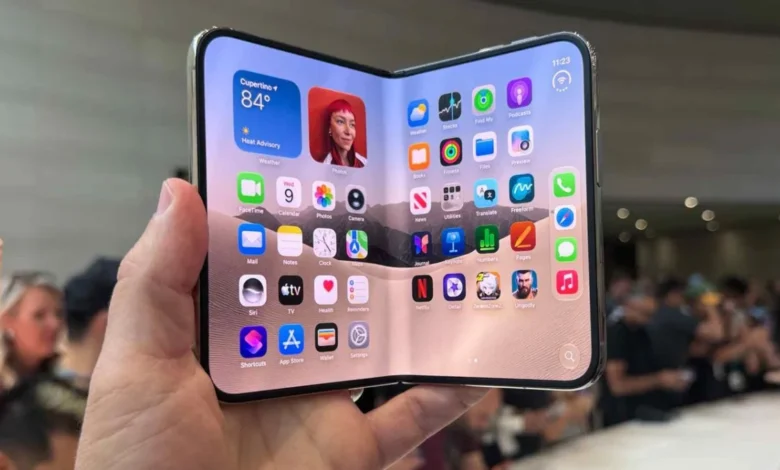
Apple Inc. has officially entered the foldable smartphone market with the announcement of the iPhone Duo, marking a significant strategic shift for the Cupertino-based tech giant. After years of speculation, patents, and intense market pressure from competitors like Samsung and Google, Apple’s debut foldable device aims to redefine consumer expectations in the ultra-premium mobile segment. Retailing starting at $1,999, the iPhone Duo combines a polished software ecosystem, robust hardware durability, and cutting-edge display technology, setting a new benchmark for foldable engineering while testing the limits of consumer price tolerance.
The Evolution of Apple’s Foldable Journey: Background Context and Timeline
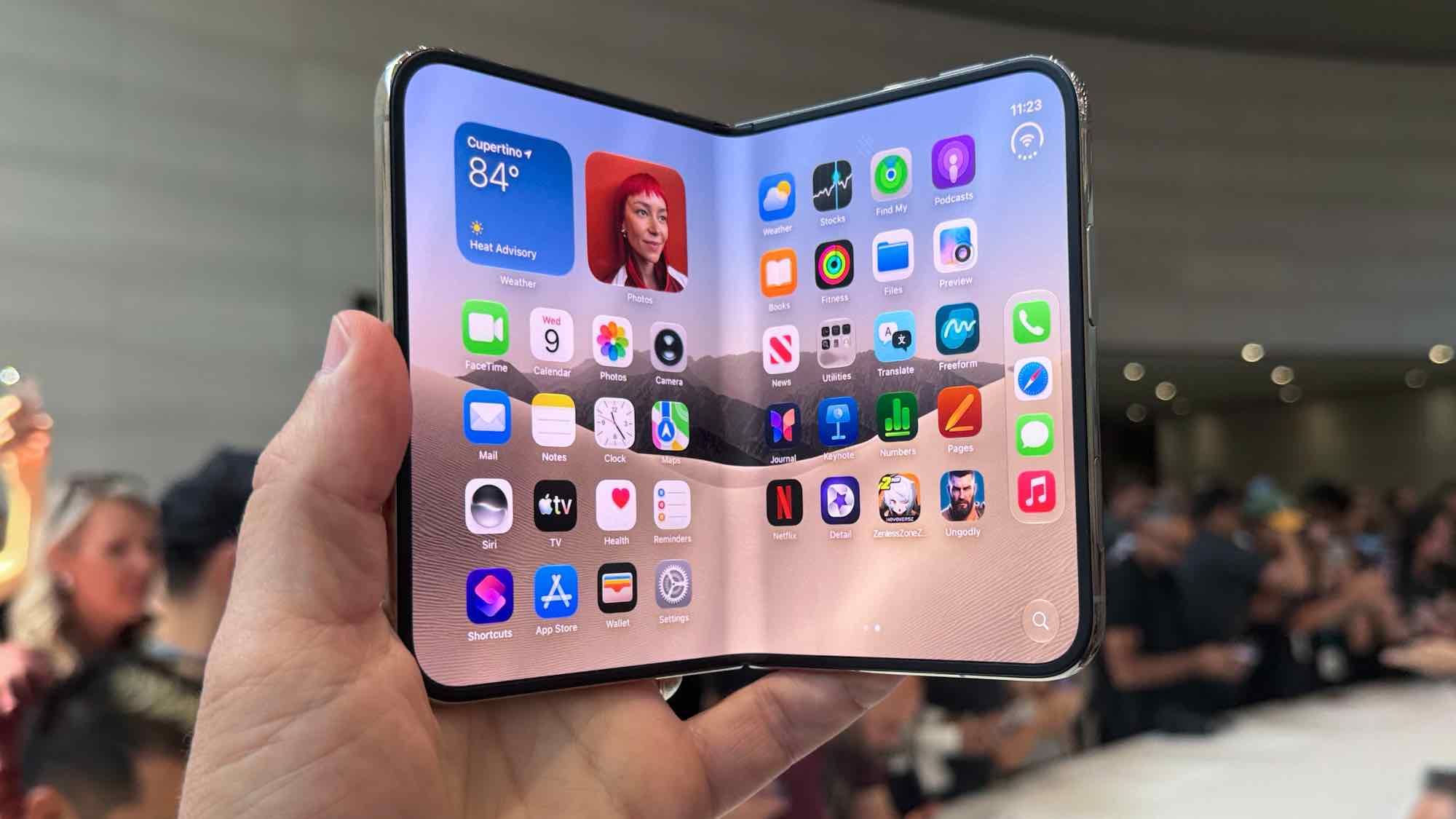
The path to the iPhone Duo has been a methodical, decades-long endeavor. While competitors such as Samsung introduced their first foldable devices in 2019 with the original Galaxy Fold, Apple notoriously adopted a "wait-and-see" approach. Industry analysts frequently noted that Apple preferred to let early adopters iron out hardware limitations—such as prominent display creases, mechanical hinge fragility, and inadequate multitasking software—before committing to the form factor.
Internal development rumors and patent filings began circulating in earnest around 2020, pointing toward experimental dual-screen and single flexible OLED configurations. By 2023 and 2024, supply chain reports confirmed that Apple had secured partnerships with major display manufacturers to produce ultra-thin glass (UTG) panels capable of enduring hundreds of thousands of folds without structural failure. The culmination of this research and development cycle is the iPhone Duo, which arrives in late 2025 as the company’s definitive statement on the future of mobile computing.
Pricing, Configuration Tiers, and Availability
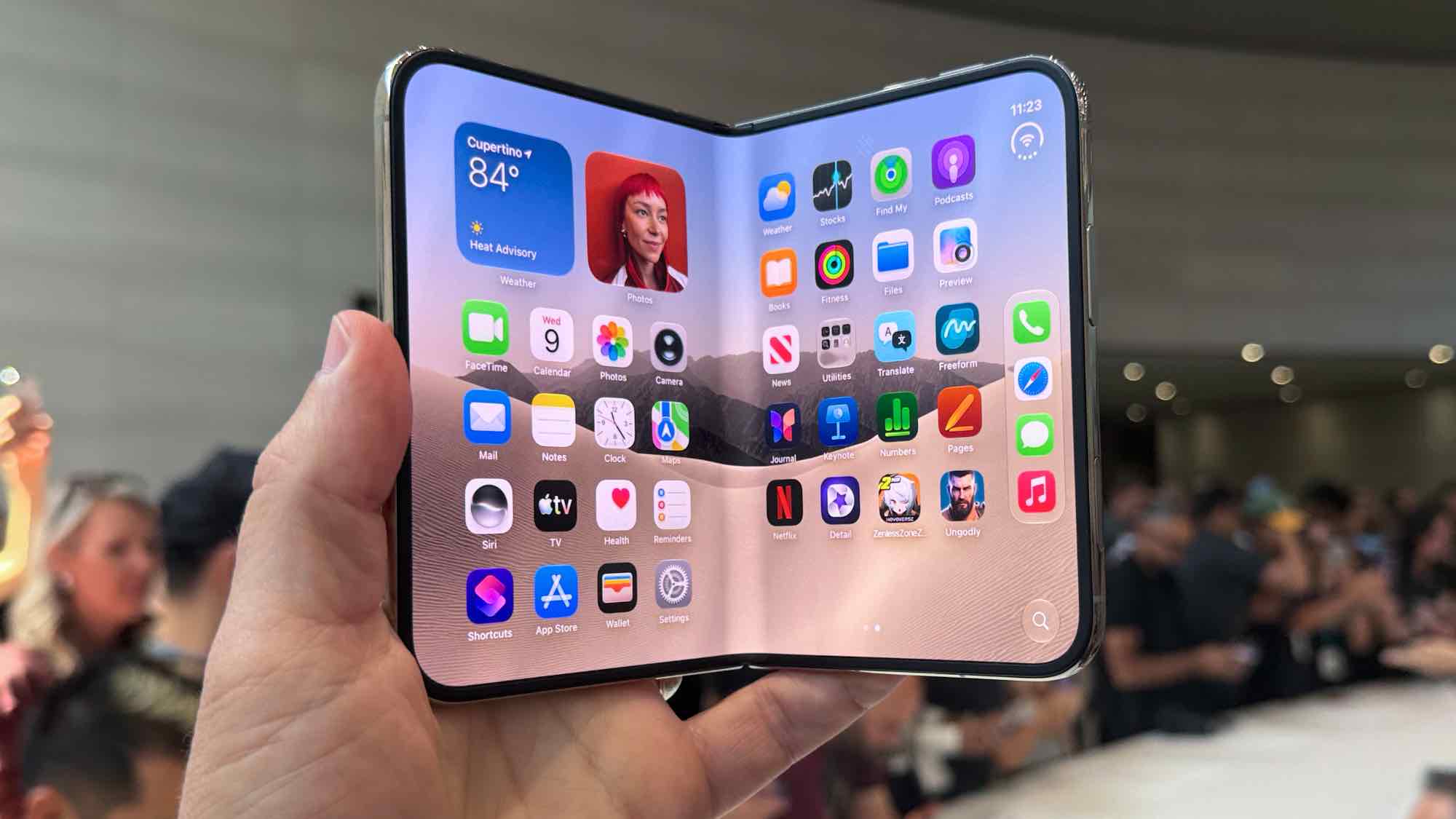
Apple has positioned the iPhone Duo firmly at the top of its hardware hierarchy, eclipsing the standard Pro Max models in cost. Pre-orders for the device are scheduled to commence on Friday, October 16, with official retail availability and store rollouts following a week later on October 23.
The base model of the iPhone Duo starts at $1,999, which provides 256GB of internal storage. Consumers requiring higher capacity tiers face progressively steeper investments:
- 512GB: $2,199
- 1TB: $2,599
- 2TB: $3,199
In comparison to competing flagships, the base iPhone Duo carries a $100 premium over its primary rival, the Samsung Galaxy Z Fold 8. However, market analysts suggest that Apple’s loyal consumer base and trade-in incentive programs will help absorb the high entry barrier, particularly among enterprise users and mobile productivity enthusiasts.
Hardware Specifications and Engineering Marvels
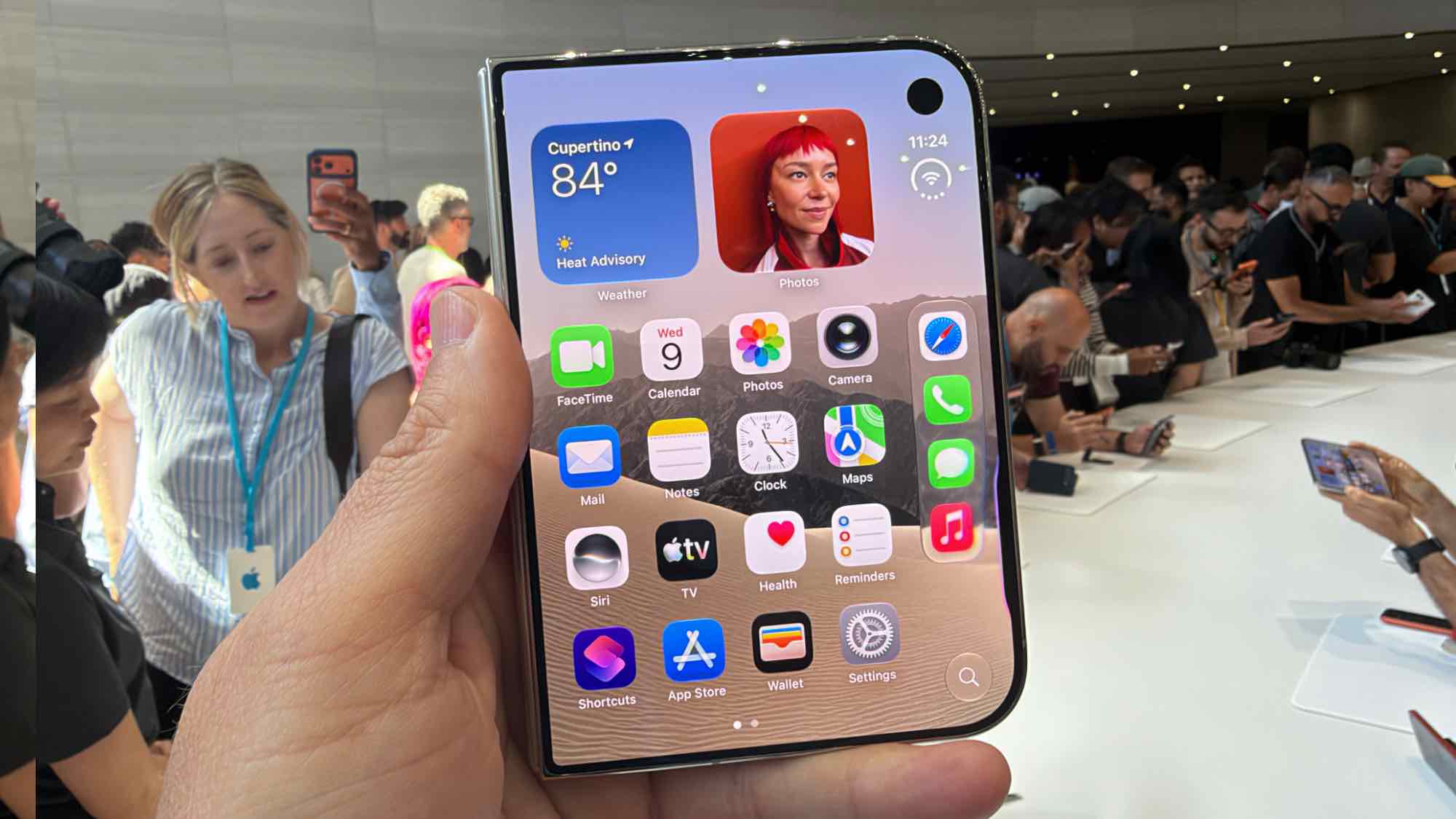
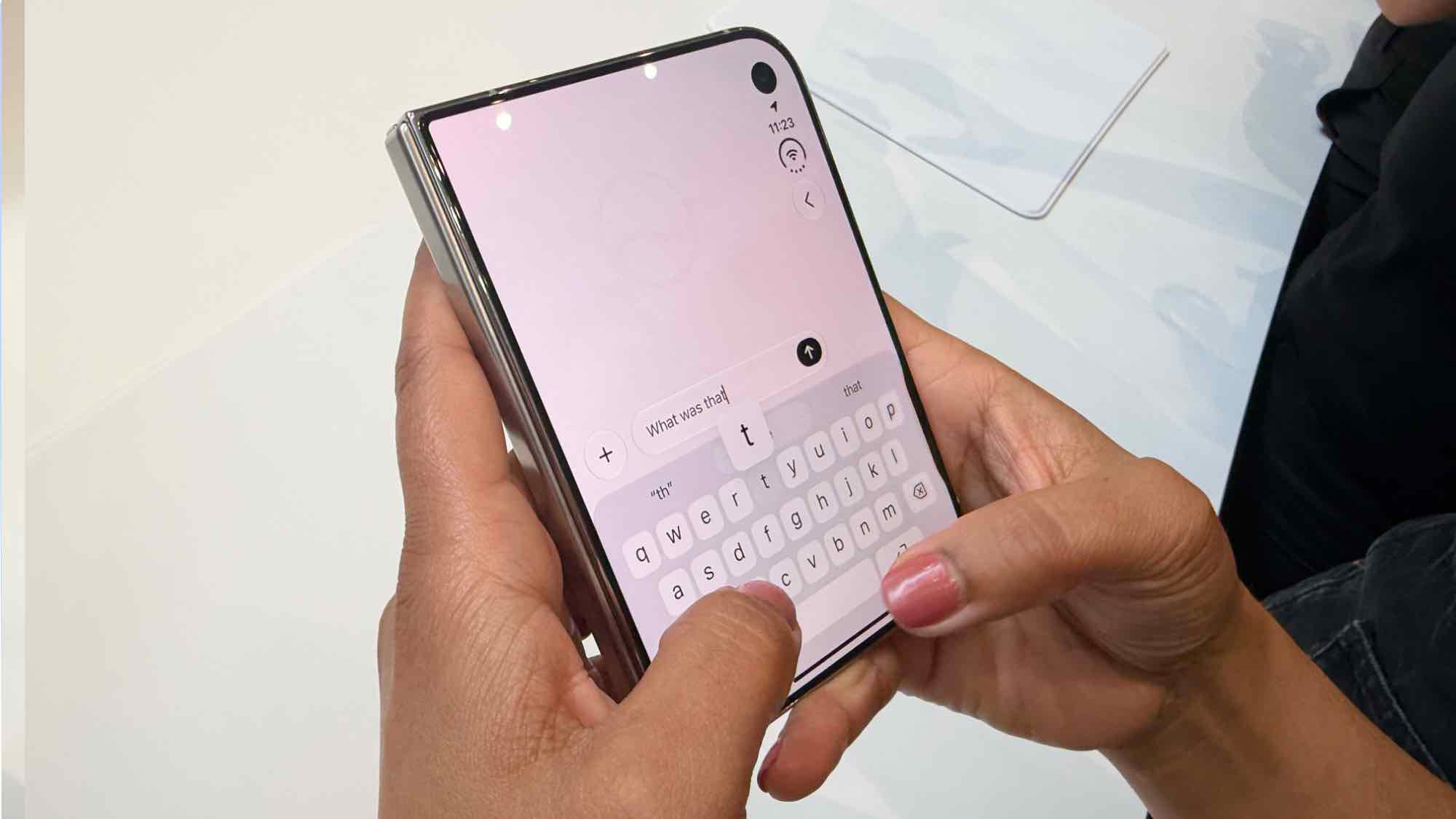
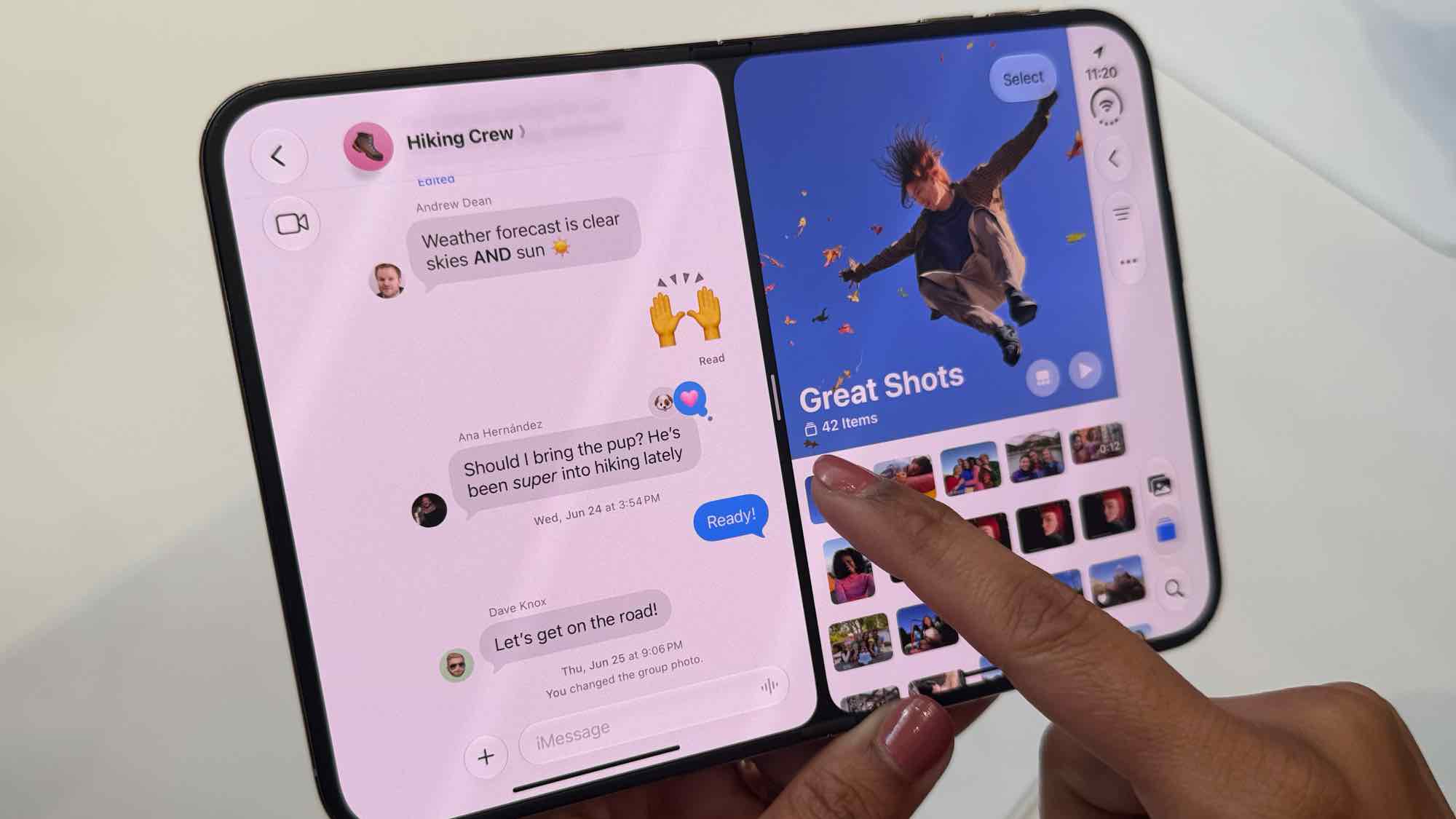
At the core of the iPhone Duo’s physical design are two high-resolution Super Retina XDR displays. The exterior features a 5.4-inch cover display engineered with a wider aspect ratio than many traditional slab phones, making one-handed operation surprisingly natural. Apple has optimized the outer user interface by repositioning critical Control Center shortcuts to the right side of the screen for improved ergonomics.
Unfolding the device reveals a breathtaking 7.6-inch inner display. One of the most notable engineering achievements highlighted during hands-on evaluations is the near-total elimination of tactile crease feedback. While a faint visual trace of the fold remains visible under direct light, the surface feels completely uniform to the touch. Furthermore, the inner panel features native support for Apple Pencil input, expanding the device’s utility for note-taking, sketching, and document annotation.
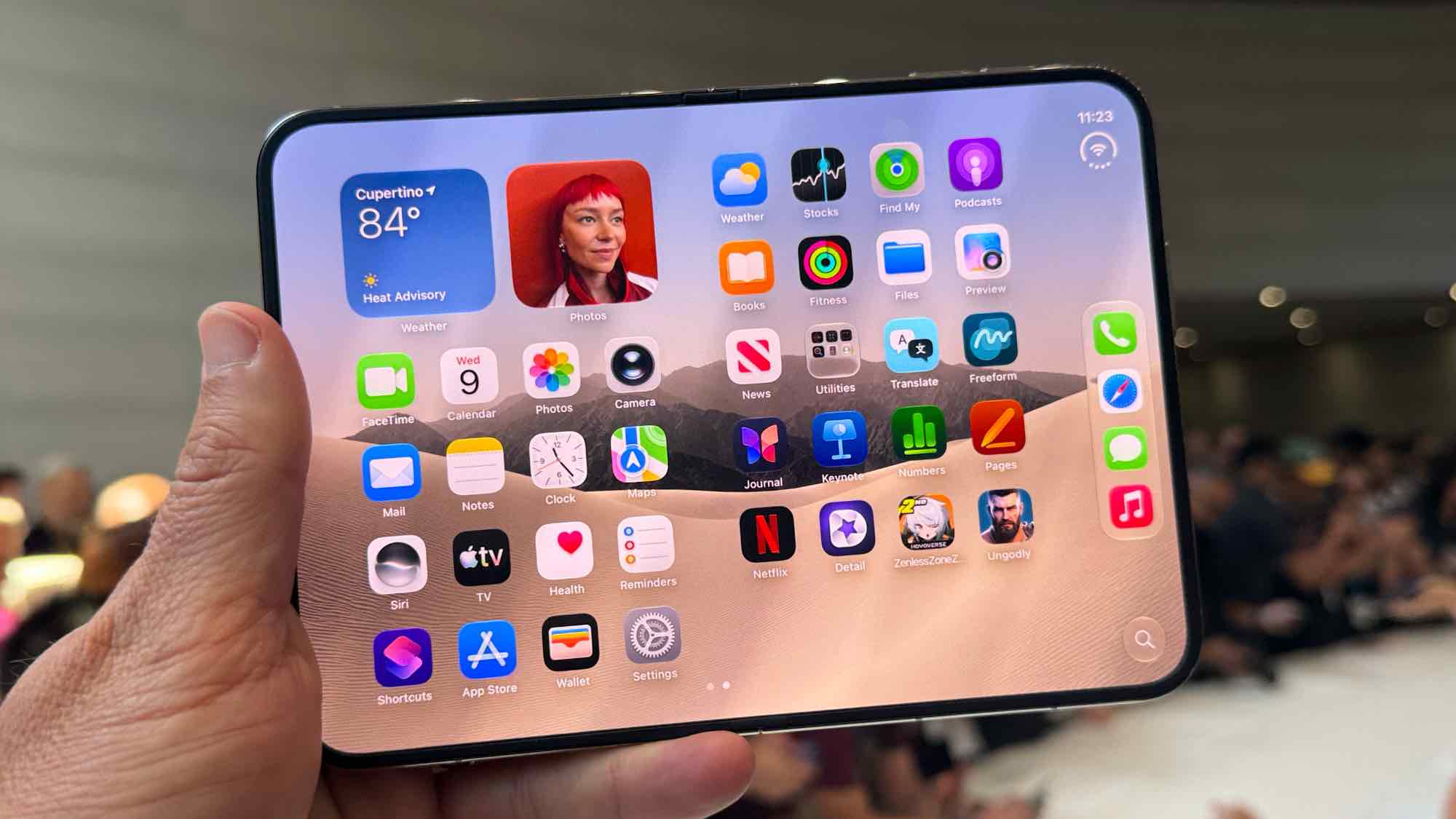
Dimensionally, the iPhone Duo measures 6.48 x 4.64 x 0.21 inches when open (164.6 x 117.8 x 5.2mm) and folds down to a compact 3.31 x 4.64 x 0.44 inches (84.1 x 117.8 x 11.3mm). Tipping the scales at 8.96 ounces (254 grams), it is noticeably heavier and thicker than competitors like the Galaxy Z Fold 8, which measures 4.5mm in thickness and weighs 201 grams. Apple compensates for this additional mass with an uncompromising approach to structural durability.
Durability and Environmental Protection
Durability has historically been the Achilles’ heel of foldable smartphones, particularly regarding dust ingress and mechanical hinge vulnerability. The iPhone Duo seeks to decisively solve these concerns by securing an IP68 dust and water resistance rating. This represents a distinct advantage over competitors such as the Samsung Galaxy Z Fold series, which traditionally feature water resistance (IPX8) but lack formal certification against dust particles, limiting their usability in environments like sandy beaches.

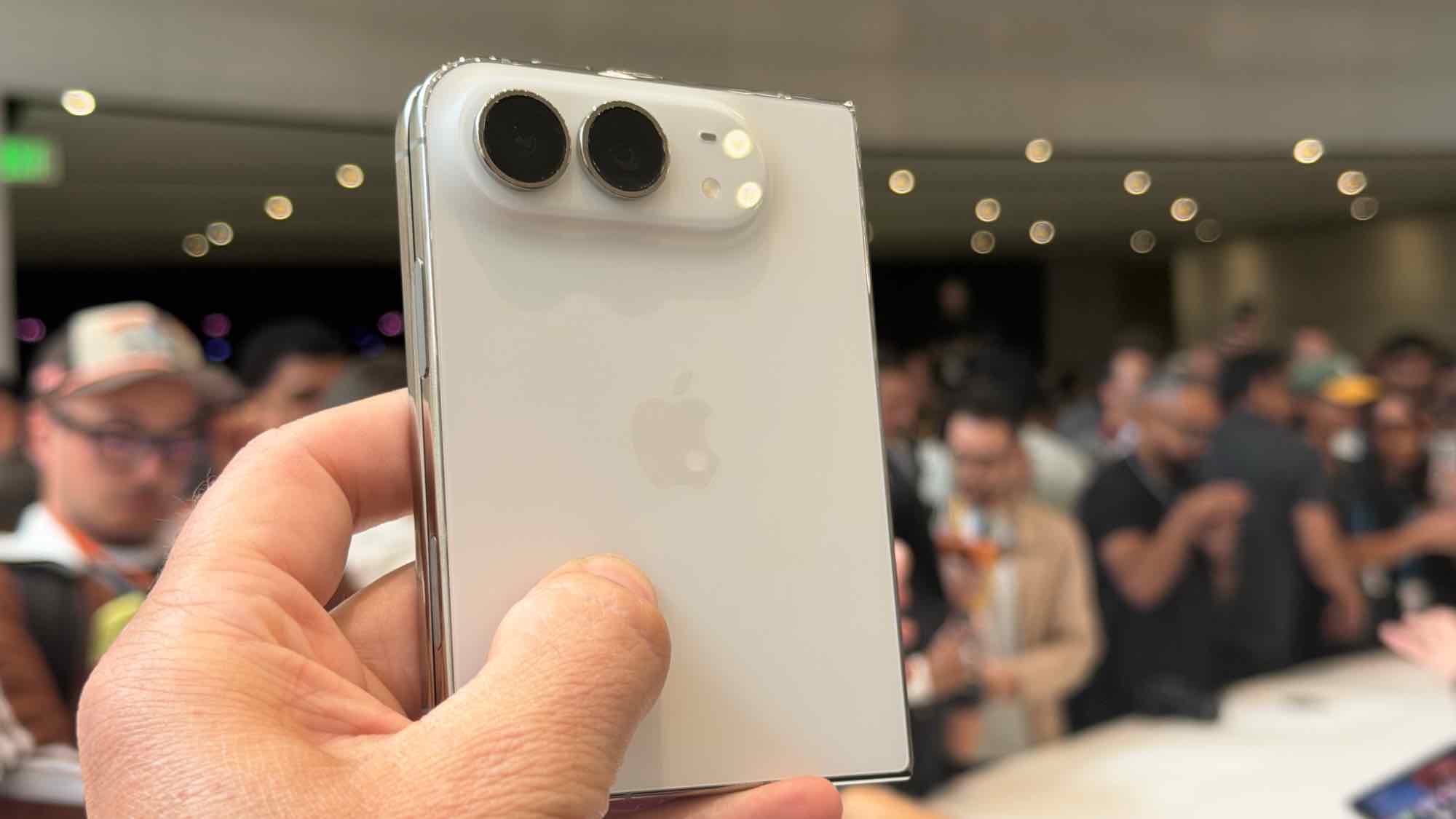
The chassis of the iPhone Duo is constructed from aerospace-grade Grade 5 titanium, providing exceptional structural rigidity. Apple has also implemented proprietary protective glass solutions: Ceramic Shield protects the rear panel, while an upgraded Ceramic Shield 2 guards the outer display.
For the delicate inner foldable screen, Apple engineered a specialized nano-texture cover layer combined with a scratch-resistant coating. According to internal metrics cited by the company, this inner display layer is up to 40 percent stiffer than competing foldable screens on the market, mitigating the risk of accidental punctures from sharp objects.
Optics and Photographic Capabilities
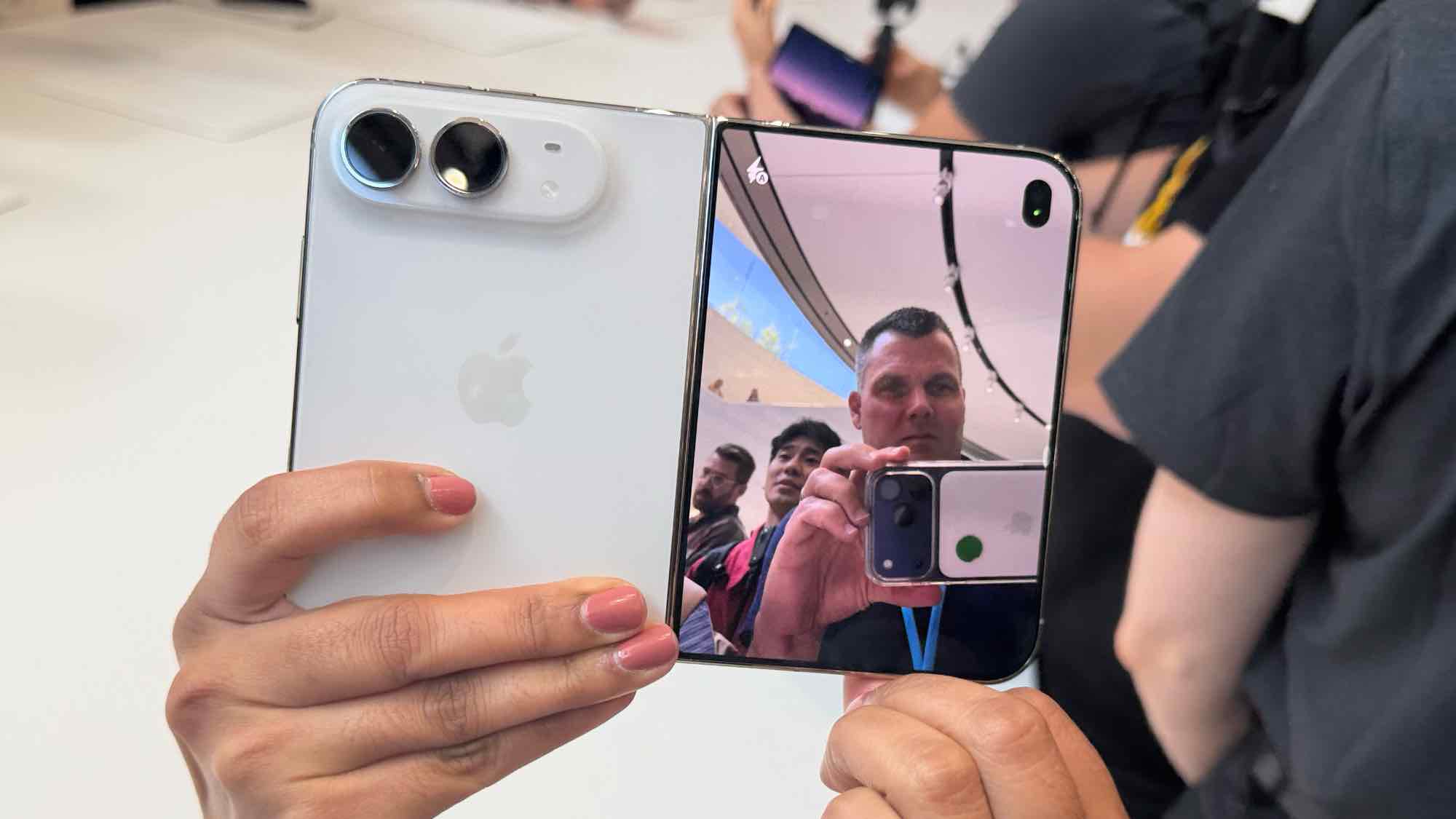
The iPhone Duo houses a dual-camera array on its rear panel, consisting of a 48-megapixel Fusion main camera (f/1.6 aperture) and a 48-megapixel ultra-wide camera (f/2.2 aperture). Notably, the device omits the dedicated physical telephoto lens found on the iPhone Pro series, relying instead on the primary sensor to deliver "optical quality" 2x zoom shots via software cropping.
Despite the lack of a traditional periscope telephoto lens, Apple has leveraged the unique physical architecture of the foldable form factor to introduce innovative capture workflows:
- Smart Take: Users can prop the device up in a half-folded "tent" or "laptop" mode, allowing the camera to automatically analyze group composition and snap photos when everyone is confirmed to be in focus, eliminating the need for manual timers.
- Duo Preview: When taking portraits or selfies, the outer display acts as a live viewfinder for the subject.
- Kid Cue: Similar to competing implementations in the Android ecosystem, this feature displays animated graphics on the outer screen to capture the attention of infants and toddlers during family portraits.
- Cross-Screen FaceTime: Users can host collaborative video calls where participants can interact or join utilizing the outer display while the main unit is oriented in various configurations.
Software Ecosystem and Multitasking Adaptability
The true differentiator for the iPhone Duo lies in its operating system optimization. Apple has systematically redesigned its native application suite so that interactive elements and navigation controls are anchored to the right side of the display rather than the bottom, enhancing usability when holding the device in expanded mode.
Content consumption dynamically shifts based on physical orientation. When folding the phone to a 90-degree angle (Flex View mode), compatible media applications like Netflix automatically reposition video playback to the upper half of the screen while placing playback controls and related information on the lower half. Third-party enterprise applications, including Zoom and Slack, have also been optimized at launch to utilize the expanded screen real estate for split-pane views.
Multitasking is handled through an intuitive gesture framework. Users can summon a secondary application by dragging an active window slightly upward and snapping it to either the left or right side of the 7.6-inch canvas, facilitating seamless drag-and-drop workflows between productivity tools.
Processing Power and Thermal Management
Under the hood, the iPhone Duo is powered by Apple’s next-generation A20 Pro processor, accompanied by 12GB of unified RAM. The chipset features a newly designed 7-core GPU engineered to deliver up to a 40 percent improvement in graphics performance compared to previous generations, making the device exceptionally capable of running console-quality mobile titles with cinematic fidelity.
To sustain peak performance during intensive tasks such as gaming, video rendering, and multitasking, Apple integrated a custom vapor chamber cooling system. Internal thermal testing suggests this architecture enables up to 35 percent better sustained performance over extended periods compared to the standard iPhone 17 Pro Max.
Battery Architecture and Charging Speeds
Powering the expansive displays and high-performance silicon requires a robust power delivery system. The iPhone Duo utilizes a dual-battery configuration housed within its split chassis, yielding a combined capacity of 4,883 mAh. Apple’s official endurance ratings claim up to 44 hours of local video playback when utilizing the outer display, and up to 31 hours when utilizing the primary inner screen.
Charging capabilities have also been accelerated. The device supports 35W wired fast charging, capable of replenishing the battery from zero to 50 percent in approximately 20 minutes. Additionally, Qi2 wireless charging is supported via MagSafe accessories, achieving a 50 percent charge in 30 minutes.

Industry Implications and Market Outlook
The launch of the iPhone Duo represents a watershed moment for the mobile industry. By establishing a presence in the foldable category, Apple validates a form factor that was once dismissed by critics as a passing novelty.
While the device commands a substantial price tag of $1,999 and carries a slight penalty in weight and thickness compared to its most refined Android competitors, its combination of IP68 dust and water resistance, titanium build quality, and deeply integrated software multitasking positions it as a formidable contender. Whether these innovations justify the steep financial investment for mainstream consumers will be thoroughly tested upon its commercial release, but early indications suggest that Apple’s methodical entry has established a new high-water mark for foldable device engineering.