LG Monitor App Installer Sparks Privacy Concerns as It Silently Installs on User Systems

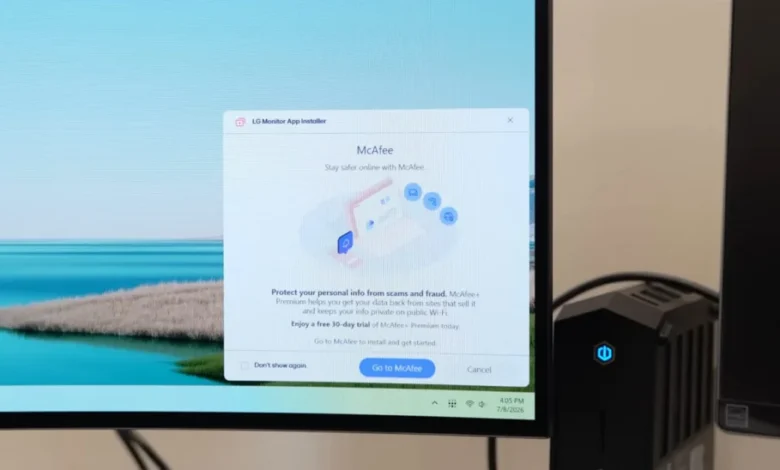
Users of LG’s premium computer monitors are raising alarm bells over the unsolicited and stealthy installation of the "LG Monitor App Installer" application, a practice that bypasses user consent and potentially compromises privacy. The software, which has been observed installing via Windows Update, grants LG extensive access to system resources and user data, prompting widespread concern among consumers who have invested heavily in the company’s high-end display technology. This clandestine installation method, coupled with the significant data permissions the app claims, has ignited a debate about the ethical boundaries of hardware manufacturers and their relationship with operating system providers.
The core of the issue lies in the "LG Monitor App Installer," a program that, according to reports and user observations, appears on Windows systems without any explicit prompt or permission requested from the user. This is particularly vexing for customers who have purchased LG monitors, often at premium price points exceeding $1,000, only to find their systems altered without their knowledge. The disruption caused by such an unexpected installation is compounded by the significant privacy implications. As highlighted by security analyst Burke, once installed, the LG Monitor App Installer "technically possesses permission to use ‘all system resources,’" and can potentially "collect geolocation, device data, online activity, contacts, user credentials, transactions, and more." This broad access raises serious questions about data security and user autonomy.
A History of Unwanted Software and Expanding Concerns
This is not an isolated incident, nor is it a recent phenomenon. Reports suggest that this practice has been ongoing for several years, and recent observations indicate a potential expansion of its reach. Burke noted that he began encountering the pop-up ad associated with the LG Monitor App Installer on LG monitors he had purchased as far back as three years ago, suggesting a persistent or resurfacing issue. This longevity raises questions about the initial rollout and the company’s awareness of user dissatisfaction.
The situation also casts a spotlight on the broader ecosystem of peripheral companion apps and the permissions granted by operating systems like Windows. The LG Monitor App Installer’s stated purpose, as described on the Microsoft Store, is to "easily install and use apps supported by your monitor through LG Monitor App Installer." Among the listed supported applications is McAfee, a cybersecurity software that itself has faced scrutiny in the past for its bundling practices. The inclusion of such software, even if seemingly beneficial, further complicates the narrative of user control and consent.
Understanding Windows’ Role in Automatic App Installation
Crucially, Microsoft’s Universal Windows Platform (UWP) device app policy plays a significant role in enabling such installations. According to a Microsoft support page for Windows developers, UWP device apps have the capability "to automatically install when the user connects their device to the PC." This automatic installation can occur if a user has not opted out of "Recommended Settings" during the Windows installation process, is connected to the internet, and is signed into the Microsoft Store.
The same Microsoft support page offers a stark warning about this feature: "The automatic installation feature does not provide a notification to the user when the app is installed. Some users may find this experience confusing and frustrating and give your app a bad rating." This acknowledgement from Microsoft itself underscores the potential for user alienation and dissatisfaction, suggesting the company is aware of the negative user experience associated with silent installations, yet the feature persists.
A Pattern of Aggressive Peripheral Software Deployment
LG is not the only hardware vendor to face criticism for the automatic installation of software through device peripherals. A pattern of similar practices has emerged across the tech industry, impacting users of various hardware categories. Gaming peripheral manufacturers like Razer and Logitech have been criticized for similar tactics, where accompanying software is installed without explicit user consent. In the realm of PC components, companies like Asus and Gigabyte have also faced backlash for the pre-installation or forced installation of their proprietary software onto motherboards.
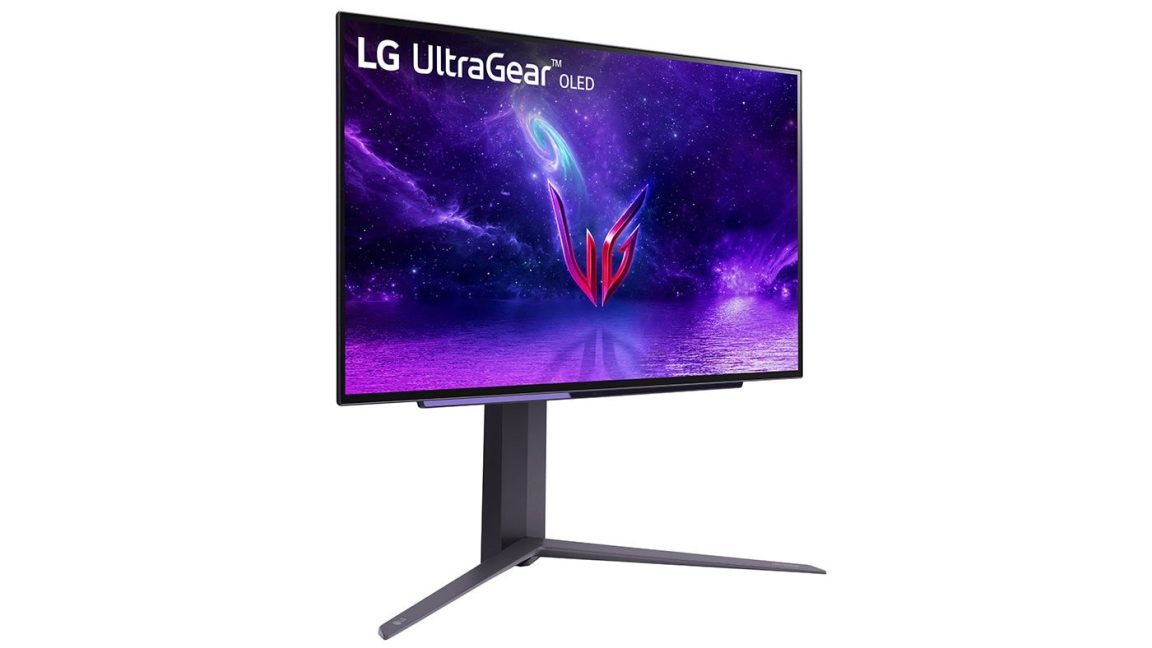
However, the case of LG monitors stands out due to several factors. Firstly, many high-end monitors do not inherently require a dedicated companion application for basic functionality. Users can typically adjust settings through on-screen displays (OSDs) or basic driver installations. The addition of a potentially intrusive app, especially one that demands broad system access, feels like an unnecessary layer of complexity and an infringement on user control. Secondly, as mentioned, LG monitors represent a significant financial investment for many users. The expectation for premium hardware often includes a premium user experience, which is undermined when software is pushed onto their systems without their explicit approval.
Timeline of Events and User Discovery
While a precise timeline for the initial deployment of the LG Monitor App Installer is not publicly available, user reports and the observations by individuals like Burke suggest a gradual but persistent presence. The recent surge in complaints, particularly those amplified by tech journalists and content creators, points to a potential increase in the visibility or scope of these installations.
The discovery often happens organically. A user might notice a new application in their system tray or a pop-up advertisement appearing unexpectedly. Upon investigation, they trace the origin to the "LG Monitor App Installer." The fact that the installation can occur through Windows Update, a system component users generally trust for legitimate software updates, adds another layer of deception. Gamers Nexus, a prominent hardware review outlet, has been instrumental in bringing attention to this issue, sharing screenshots and detailed analyses of the installation process. Their work has often served as an early warning system for consumers.
Data and Specifications of Affected Hardware
While the specific models of LG monitors affected by the auto-installation of the LG Monitor App Installer are still being fully cataloged, user reports compiled by outlets like Gamers Nexus suggest a range of devices are implicated. These often include models popular among gamers and creative professionals, which tend to be LG’s higher-end offerings. The specific technical details of these monitors, such as their display resolutions, refresh rates, and color accuracy specifications, are not directly relevant to the software installation issue itself, but they underscore the premium nature of the hardware and, by extension, the user’s expectation of a commensurate user experience. The implication is that users are paying for advanced display technology, not for a platform that will then unilaterally install software.
Official Responses and Industry Implications
Ars Technica, in its reporting on this matter, reached out to LG for clarification. A company representative acknowledged receipt of the inquiry but had not provided a substantive response prior to publication. This silence from LG leaves many questions unanswered regarding the company’s intent, the specific data LG Monitor App Installer collects and uses, and the precise reasons for its non-consensual installation.
The broader implications of this situation are significant for both consumers and the industry. For consumers, it highlights the need for increased vigilance regarding software installations, even from trusted hardware brands. It also fuels a growing demand for greater transparency and control over data privacy. Users are increasingly aware that the devices they purchase are not merely hardware but often come bundled with software that can have far-reaching implications for their digital lives.
For the industry, the continued practice of non-consensual software installation by hardware manufacturers, coupled with operating system features that facilitate it, raises ethical concerns. It can erode consumer trust and potentially lead to regulatory scrutiny. As more users become aware of these practices, companies may face increased pressure to adopt more transparent and user-centric approaches to software deployment. The reliance on UWP device apps for automatic installation, while intended for convenience, appears to be a double-edged sword, creating significant potential for negative user experiences.
Analysis of Broader Impact and Future Outlook
The LG Monitor App Installer incident serves as a stark reminder that the digital ecosystem is complex, and the lines between hardware, software, and operating system functionalities are increasingly blurred. The potential for a premium hardware purchase to result in an unsolicited software installation with broad data access privileges is a significant concern for consumer rights and digital privacy.
The fact that Microsoft’s platform allows for such silent installations, even with a caveat about potential user frustration, suggests a need for a re-evaluation of these policies. While the intent might be to streamline the user experience for certain device integrations, the current implementation can lead to a profound sense of violation and distrust.
Moving forward, it is imperative that hardware manufacturers prioritize user consent and transparency in their software distribution strategies. Consumers should be presented with clear choices regarding the installation of any accompanying software, with easy opt-out options that are respected. The current approach, where a significant investment in hardware can lead to an uninvited software presence with extensive data access, is not sustainable and undermines the very trust that builds brand loyalty. The industry, in collaboration with operating system providers, needs to establish clearer ethical guidelines and robust mechanisms for user control to prevent such situations from recurring and to ensure that technological advancements do not come at the expense of fundamental user rights.