Bed Bath & Beyond Makes Nostalgic Return With Stand-Alone Arizona Store Amid Broader Corporate Turnaround

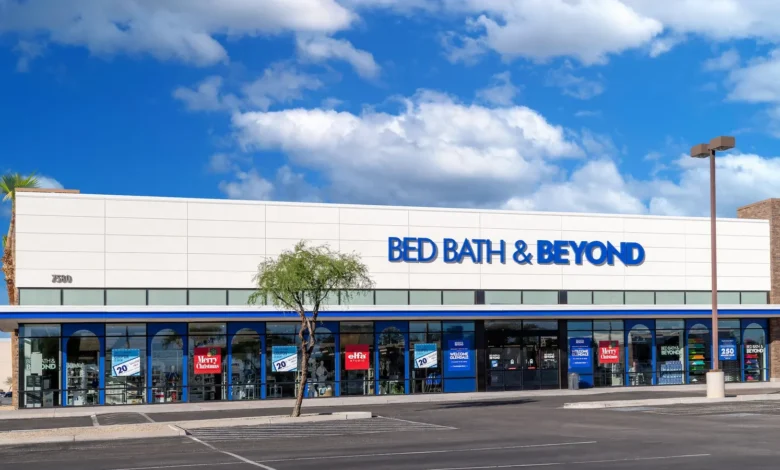
Bed Bath & Beyond is officially stepping back into its physical retail roots, signaling a major strategic shift for its parent company, Neighborhood Intelligence. Nearly three years after the iconic home-goods retailer filed for Chapter 11 bankruptcy and liquidated its brick-and-mortar footprint, a new 19,000-square-foot stand-alone store is slated to open in Glendale, Arizona. This upcoming location is designed to intentionally evoke the original, beloved shopping experience that made the brand a household name for decades, complete with its signature towel walls, expansive bedding displays, and the return of its famous, highly sought-after coupons.
The launch of the Glendale store is not merely a nostalgic exercise, but a critical milestone in a broader, aggressive corporate turnaround strategy. Neighborhood Intelligence—formerly known under previous corporate structures before its major acquisitions—has spent the last several quarters recalibrating its vast physical and digital footprint. The company has absorbed several notable retail names, including Overstock.com, Kirkland’s, and The Container Store, attempting to forge a cohesive home-goods juggernaut capable of weathering turbulent economic conditions and shifting consumer habits.
The Evolution of a Retail Icon: From Bankruptcy to Rebirth
To understand the weight of this weekend’s grand opening in Arizona, one must look back at the dramatic trajectory of Bed Bath & Beyond. Founded in 1971, the retailer grew into a dominant force in the domestic goods market, celebrated for its cavernous aisles and ubiquitous blue-and-white 20%-off coupons. However, strategic missteps in the late 2010s and early 2020s—most notably an ill-fated pivot away from major national brand partners like Shark, Cuisinart, and Laura Ashley in favor of underperforming private-label goods—alienated core shoppers. Burdened by mounting debt and declining foot traffic, the company succumbed to insolvency, filing for bankruptcy protection in 2023 and shuttering hundreds of stores nationwide.
Following the intellectual property acquisition and digital relaunch of the brand under new leadership, the parent company began experimenting with physical formats. Earlier in the spring, Bed Bath & Beyond debuted an innovative co-branded store concept alongside The Container Store. This hybrid retail model successfully merged organizational products, bespoke design services, and a comprehensive home-goods assortment under one roof.
Despite these hybrid experiments, leadership recognized that consumer nostalgia for the standalone Bed Bath & Beyond experience remained potent. The new Glendale store directly addresses this consumer sentiment. According to Neighborhood Intelligence President Amy Sullivan, the company is deliberately leaning into heritage elements while layering in modern shopping conveniences.
“We’re bringing back the things customers have always loved, from the iconic shopping experience to the brands, products, and value they remember, while introducing new ways to help customers make the most of every room in their home,” Sullivan stated.
Trimming the Fat: Realignment and Store Closures
While the opening of the Glendale storefront highlights growth and brand revitalization, Neighborhood Intelligence’s broader turnaround strategy involves rigorous pruning of underperforming assets. The company is actively shuttering unprofitable locations inherited from its recent corporate acquisitions, optimizing its real estate portfolio to prioritize long-term profitability over sheer store count.
During a recent earnings call with financial analysts, Neighborhood Intelligence CEO Marcus Lemonis disclosed that the company will have permanently closed 11 Container Store locations by the conclusion of the year. Concurrently, management is in the process of shuttering 39 Kirkland’s stores. Lemonis noted that these specific retail footprints were "four-wall negative," meaning they were losing money at the individual store level, and many possessed commercial leases expiring as early as January.
Significantly, the very space hosting the new Bed Bath & Beyond flagship in Arizona is a former Container Store location that previously suffered from negative four-wall economics. By repurposing this existing real estate infrastructure, Neighborhood Intelligence is minimizing capital expenditure while pivoting the square footage toward a higher-performing banner.
Furthermore, the company is actively curbing its appetite for inorganic expansion. Recent merger and acquisition agreements involving Fathom Holdings and F9 Brands were mutually terminated in preceding months. Lemonis emphasized that the corporate leadership team is no longer pursuing further acquisitions, marking a definitive pivot from a growth-by-acquisition model to an organic optimization strategy.
“We believe there’s significant opportunity with the businesses we already own, and our priority is to make them work better together and to grow organically and to improve profitability,” Lemonis explained to analysts.
Financial Performance and E-Commerce Momentum
The third-quarter earnings report released by Neighborhood Intelligence provides a mixed financial picture, underscoring both the massive top-line expansion driven by recent mergers and the ongoing operational hurdles of integrating disparate retail entities.
Total company revenue surged 98% year-over-year to reach $509 million. The vast majority of this growth was inorganic, with recent acquisitions contributing $229 million to the top line. When stripping away the impact of these newly acquired brands, organic revenue still managed a respectable 9% increase. Consolidated gross margin hovered at approximately 34%.
The digital segment proved to be a standout performer during the quarter. E-commerce revenue grew by 9%, marking the largest digital expansion the company has recorded in 19 quarters. This online momentum was spearheaded by Overstock.com, which posted a remarkable 75% digital growth rate. Meanwhile, the standalone Bed Bath & Beyond banner demonstrated steady consumer demand, generating $23 million more in revenue compared to the same period last year. This was underpinned by a 1.5% increase in order volume alongside a robust 7.4% rise in average order value.
Despite top-line gains, bottom-line losses widened during the quarter. Operating losses expanded significantly to $62 million, up from approximately $12.5 million in the prior-year period. Net losses similarly escalated to over $26 million, compared to just $4.5 million during the corresponding quarter last year.
Looking ahead, management remains optimistic about near-term sequential improvement. Neighborhood Intelligence has projected fourth-quarter revenue growth of 5% compared to the third quarter, a forecast that fully accounts for ongoing store closures. For the full fiscal year 2027, consolidated revenue is forecasted to land between $2 billion and $2.1 billion, with gross margins stabilizing in the 33% to 34% range. Over the long term, CEO Marcus Lemonis anticipates gross margins climbing closer to 37%.
Navigating Macroeconomic Realities and Sourcing Synergies
A central pillar of Neighborhood Intelligence’s strategic confidence lies in its ability to bypass broader macroeconomic headwinds, particularly within the housing sector. Historically low housing market turnover and persistent consumer affordability challenges have historically dampened prospects for home-goods retailers. However, Lemonis argues that consumer behavior has structurally evolved.
“What gives me confidence is that we’re not relying on a housing recovery to make this business work,” Lemonis asserted. “Consumers are dealing with affordability challenges and historically low housing turnover, but they continue to spend on maintaining, organizing, and improving their homes. Our brands are positioned to serve those needs today, with additional opportunity as housing activity improves.”
To achieve the targeted 37% gross margins, executive leadership is heavily banking on internal supply chain synergies. The acquisition of Kirkland’s brought critical global sourcing capabilities and direct factory relationships into the corporate fold. According to Lemonis, these integrated global development teams will allow the company to eliminate unprofitable stock-keeping units (SKUs), prune underperforming vendors, and better calibrate product assortments.
“If you look at the margin improvement that our company has experienced over the last, call it, eight quarters, we know how to generate margin, we know how to eliminate those unprofitable SKUs, those unprofitable vendors, and how to properly calibrate assortment and sourcing,” Lemonis noted.
Lemonis drew a direct comparison to the missteps of the old Bed Bath & Beyond management team, reiterating that the key to modern viability is striking the "perfect balance" between stocking recognizable national brands that build consumer trust and leveraging global sourcing to maintain pricing flexibility and healthy profit margins.
Vendor Relations and Strategic Realignments
As Neighborhood Intelligence aggressively restructures its brand portfolios, shifting vendor partnerships are beginning to surface. A prominent example emerged when lifestyle brand and home organizational company The Home Edit publicly announced that its products would be phased out of The Container Store.
Founded by Clea Shearer and Joanna Teplin, The Home Edit established an exclusive, highly publicized collection within The Container Store starting in 2019. However, in a video statement posted to Instagram, the co-founders revealed that their long-standing partnership had come to an unexpected end.
“We’ve been partners for a really long time, and we’re pretty surprised,” Shearer and Teplin told their followers. “You might have noticed that The Container Store, slash Bed Bath & Beyond, is going through some changes, and it appears to us that they’re working out what their identity is. And it doesn’t include us.”
The founders added that The Home Edit would transition to new retail partners in the near future, though specific announcements were withheld.
In response to inquiries regarding the parting of ways, Neighborhood Intelligence President Amy Sullivan clarified that The Home Edit’s public characterization was “not fully accurate.” Sullivan explained that the departure was a matter of contractual expiration and empirical sales data rather than an abrupt ousting.
“When we acquired The Container Store, a 1-year agreement was in place that expires in December of 2026,” Sullivan said via email. “We are not signing a new agreement because the rate of sale of the product doesn’t support a reorder, but we do still have the product in our stores today and will continue to sell through the remaining assortment and honor the relationship with The Home Edit.”
Sullivan emphasized that The Container Store is currently undergoing a broad merchandising revitalization. The retailer is actively introducing fresh inventory across core living categories—including the bedroom, bathroom, and kitchen spaces—while simultaneously recalibrating its legacy storage and organization departments to optimize floor productivity.
Broader Implications and Future Outlook
The simultaneous revival of the Bed Bath & Beyond flagship format, the strategic contraction of unprofitable retail footprints, and the aggressive integration of global sourcing capabilities illustrate a high-stakes corporate evolution. Neighborhood Intelligence is attempting to transform a fragmented collection of distressed retail brands into a lean, profitable home-goods ecosystem.
By returning to the physical retail elements that originally defined Bed Bath & Beyond—while ruthlessly cutting dead weight from legacy acquisitions like Kirkland’s and The Container Store—management is betting that operational discipline will ultimately outweigh near-term bottom-line losses. As the first stand-alone store opens its doors in Glendale, Arizona, industry analysts and consumers alike will be watching closely to see if this nostalgic revival can successfully anchor a profitable future.
Related posts: