AWS Well-Architected Agent launches in public preview to revolutionize cloud infrastructure optimization through AI-driven intelligence.

The rapid expansion of cloud-native ecosystems has historically presented organizations with a significant operational paradox: while the cloud offers unparalleled scalability and agility, maintaining architectural excellence across complex, distributed environments has become increasingly labor-intensive. Manual audits and generic checklists, long considered the standard for cloud governance, are struggling to keep pace with the velocity of modern development. To address this, Amazon Web Services (AWS) has announced the public preview of the AWS Well-Architected Agent, an AI-powered service designed to bridge the gap between static architectural guidelines and dynamic, real-time environment optimization.
The Evolution of Cloud Governance
For years, the AWS Well-Architected Framework has served as the industry benchmark for cloud design, providing architects with a set of best practices across six pillars: Operational Excellence, Security, Reliability, Performance Efficiency, Cost Optimization, and Sustainability. However, applying these principles consistently across thousands of resources and varying application lifecycles has remained a challenge.
Historically, the process involved periodic manual reviews, often resulting in "point-in-time" snapshots that quickly became obsolete. The introduction of the Well-Architected Agent marks a transition from reactive, human-led assessments to proactive, machine-led continuous improvement. By integrating directly into the infrastructure layer, the agent mirrors the decision-making process of an experienced cloud architect, evaluating resource configurations, utilization metrics, and topology against established best practices across more than 65 AWS services.

Technical Architecture and Functionality
The Well-Architected Agent operates by correlating disparate data points within an AWS environment to provide context-aware recommendations. Unlike legacy auditing tools that output high-level alerts, the agent provides granular, actionable fixes. The service functions through three primary mechanisms: profile definition, automated analysis, and remediation support.
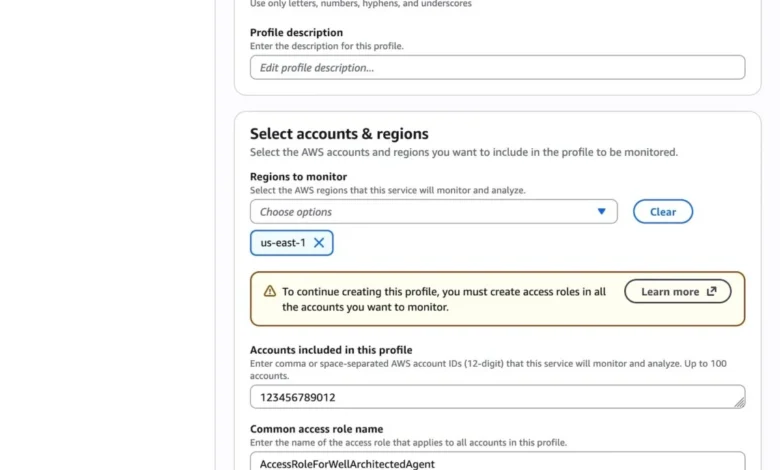
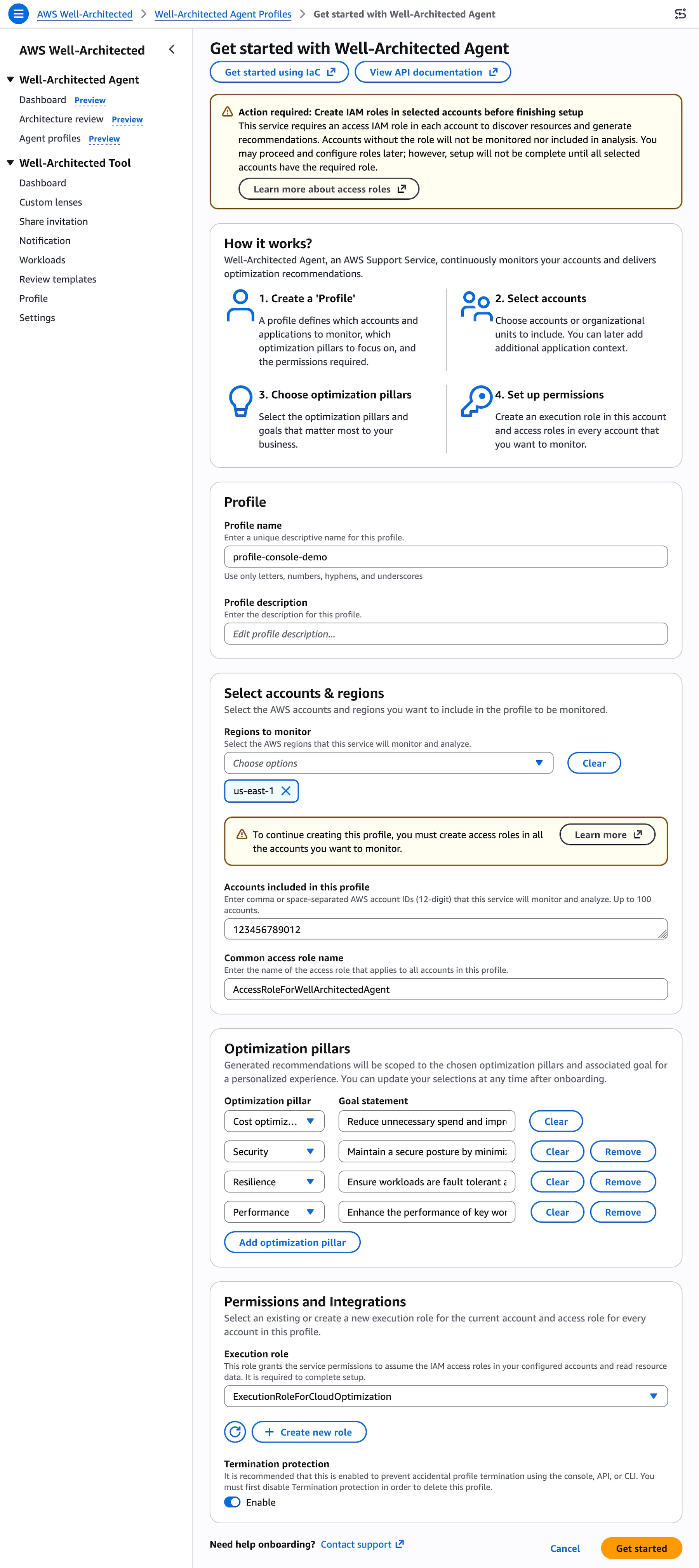
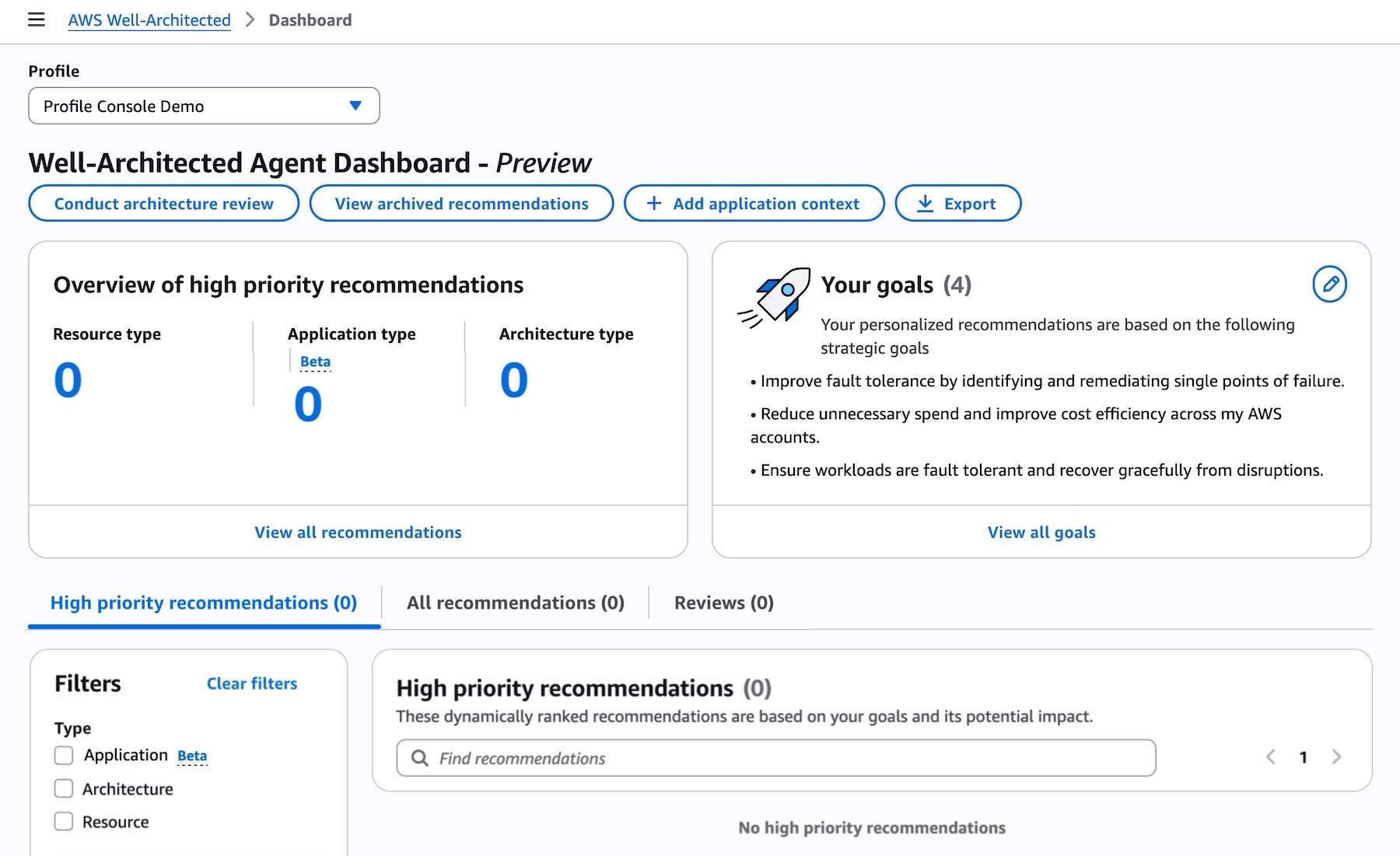
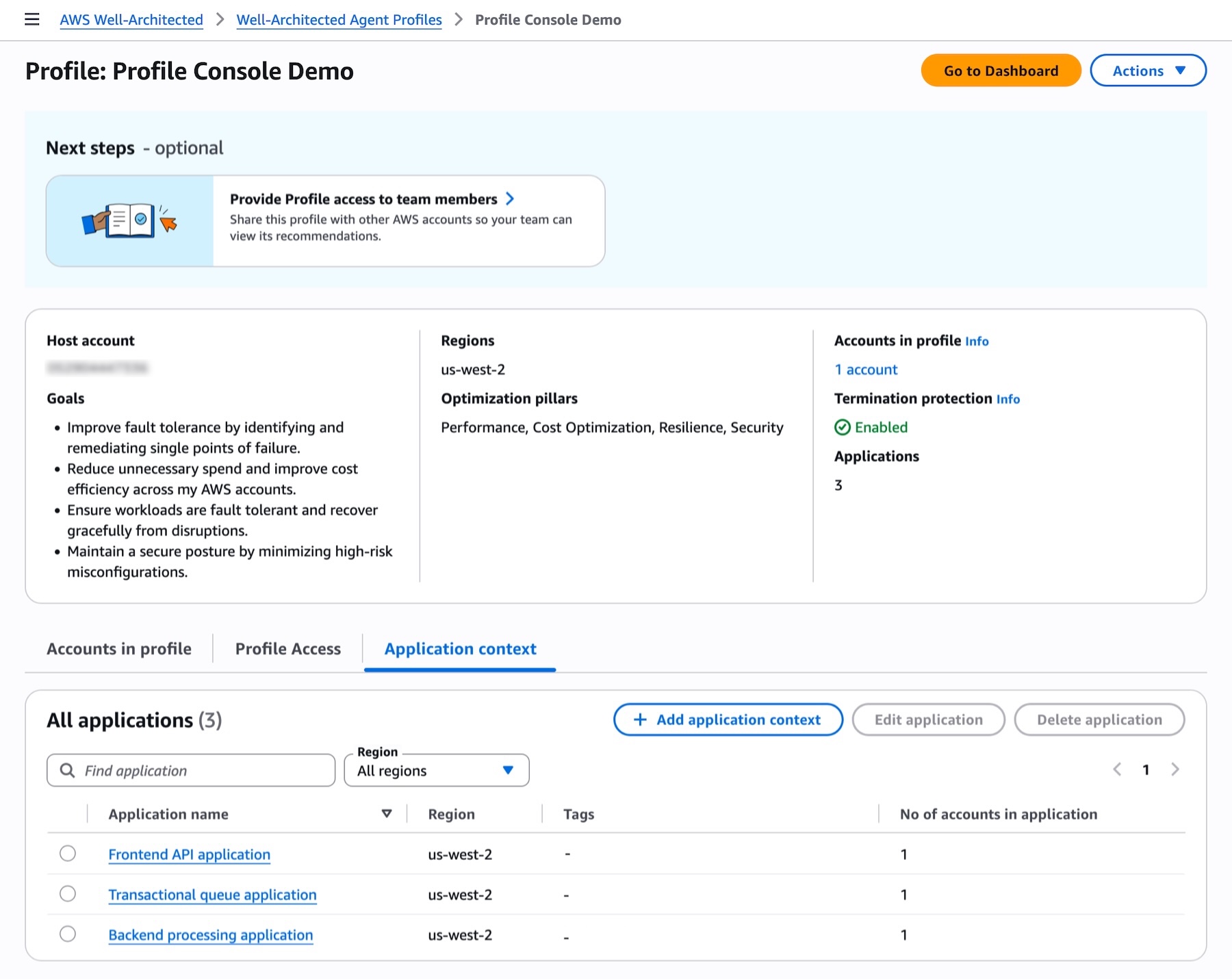
Users begin by establishing an agent profile within the AWS Well-Architected console, where they define the scope of monitoring. This includes selecting specific AWS accounts, regions, and optimization pillars that align with current business objectives. Once the agent is provisioned with the necessary customer-managed IAM roles to access metadata and metrics, it initiates a comprehensive scan. Within 24 hours, the service delivers a prioritized list of findings.
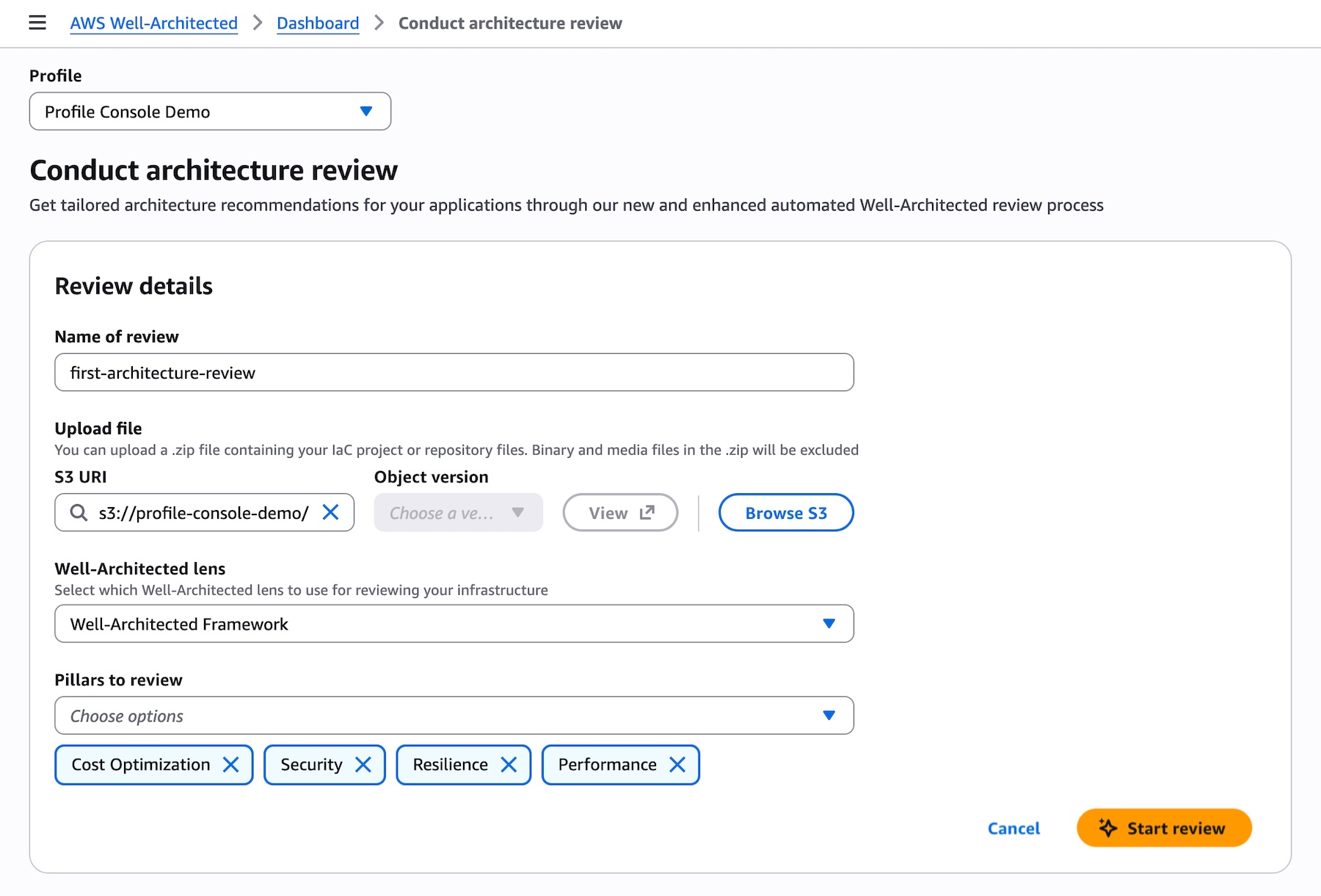
A unique feature of this preview is the "pre-deployment" review capability. By uploading Infrastructure as Code (IaC) templates—including Terraform, AWS CloudFormation, and the AWS Cloud Development Kit (CDK)—engineers can simulate an architecture review before a single resource is provisioned. This "shift-left" approach allows organizations to identify security vulnerabilities or cost inefficiencies during the design phase rather than remediating them in production.
Chronology and Availability
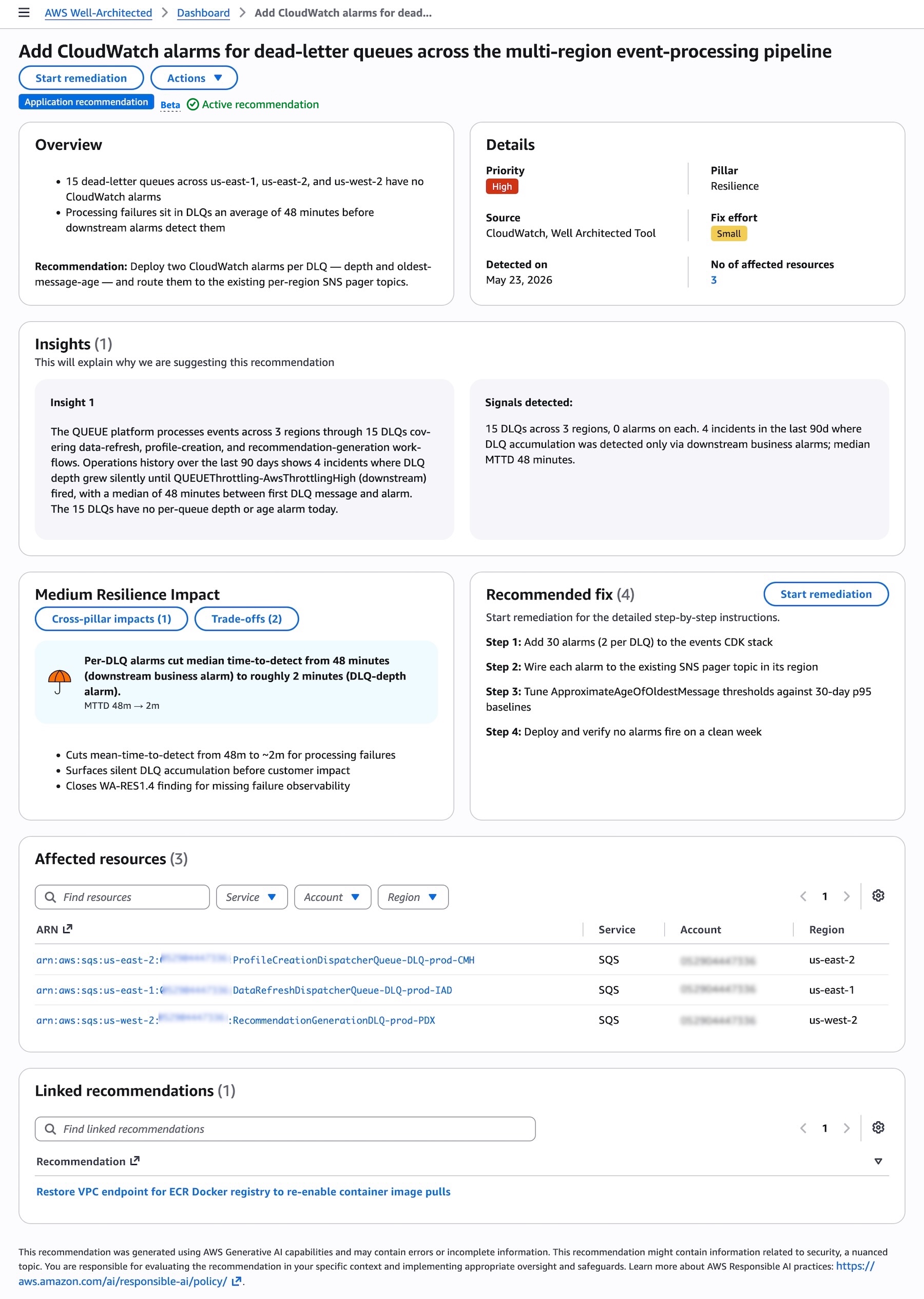
The launch follows a period of internal development and rigorous testing aimed at refining the agent’s ability to discern "contextual trade-offs." In the cloud, optimizing for one pillar—such as performance—can often negatively impact another, such as cost. The agent is engineered to surface these cross-pillar trade-offs, providing architects with the data necessary to make informed compromises that align with specific business goals.
As of the current public preview, the service is available in three primary AWS regions: US East (N. Virginia), US East (Ohio), and US West (Oregon). While the analytical processing is regional, the agent is capable of onboarding workloads from any commercial AWS region, offering a centralized pane of glass for multi-region enterprises. The service is currently bundled as part of the broader AWS Support ecosystem, signaling a strategic move by the company to provide its premium support customers with automated tools that reduce the need for recurring manual consulting engagements.
Data-Driven Optimization
The efficacy of the Well-Architected Agent lies in its ability to synthesize large datasets. Modern enterprise cloud environments often generate terabytes of telemetry data; manually parsing this data to identify misconfigured instances, underutilized storage volumes, or non-compliant security groups is statistically prone to human error.
By automating the synthesis of utilization metrics and resource configurations, the agent minimizes the "noise" that often plagues automated monitoring tools. For instance, rather than flagging every underutilized resource, the agent analyzes application topology to determine if a resource is legitimately idle or part of a standby configuration required for high availability. This contextual intelligence is expected to significantly reduce the time spent on "false positive" remediation, allowing DevOps teams to focus on high-value architectural improvements.
Industry Implications and Strategic Shifts
The release of the Well-Architected Agent carries profound implications for the cloud managed services market. For years, Managed Service Providers (MSPs) have built businesses around manual Well-Architected reviews. With the advent of an AI-driven, native tool that automates these reviews, the value proposition of these services is shifting. MSPs and internal platform teams are likely to pivot toward managing the "agent strategy" rather than the "audit process," focusing on high-level architectural design and policy orchestration.
Furthermore, the integration of an MCP (Model Context Protocol) server for the agent suggests that AWS is positioning this tool as a foundational component for the next generation of AI-assisted software development. By exposing the agent’s findings through APIs, developers can now pipe optimization recommendations directly into IDEs, CI/CD pipelines, and project management tools. This creates a feedback loop where architectural health is treated with the same priority as code quality or test coverage.
Operational Security and Compliance
A critical concern for any automated tool with deep access to infrastructure is security. AWS has mitigated this risk by requiring users to provision specific, customer-managed IAM roles. These roles grant the agent read-only access to necessary resources, ensuring that the tool cannot perform destructive actions without explicit authorization and manual execution by a human operator.
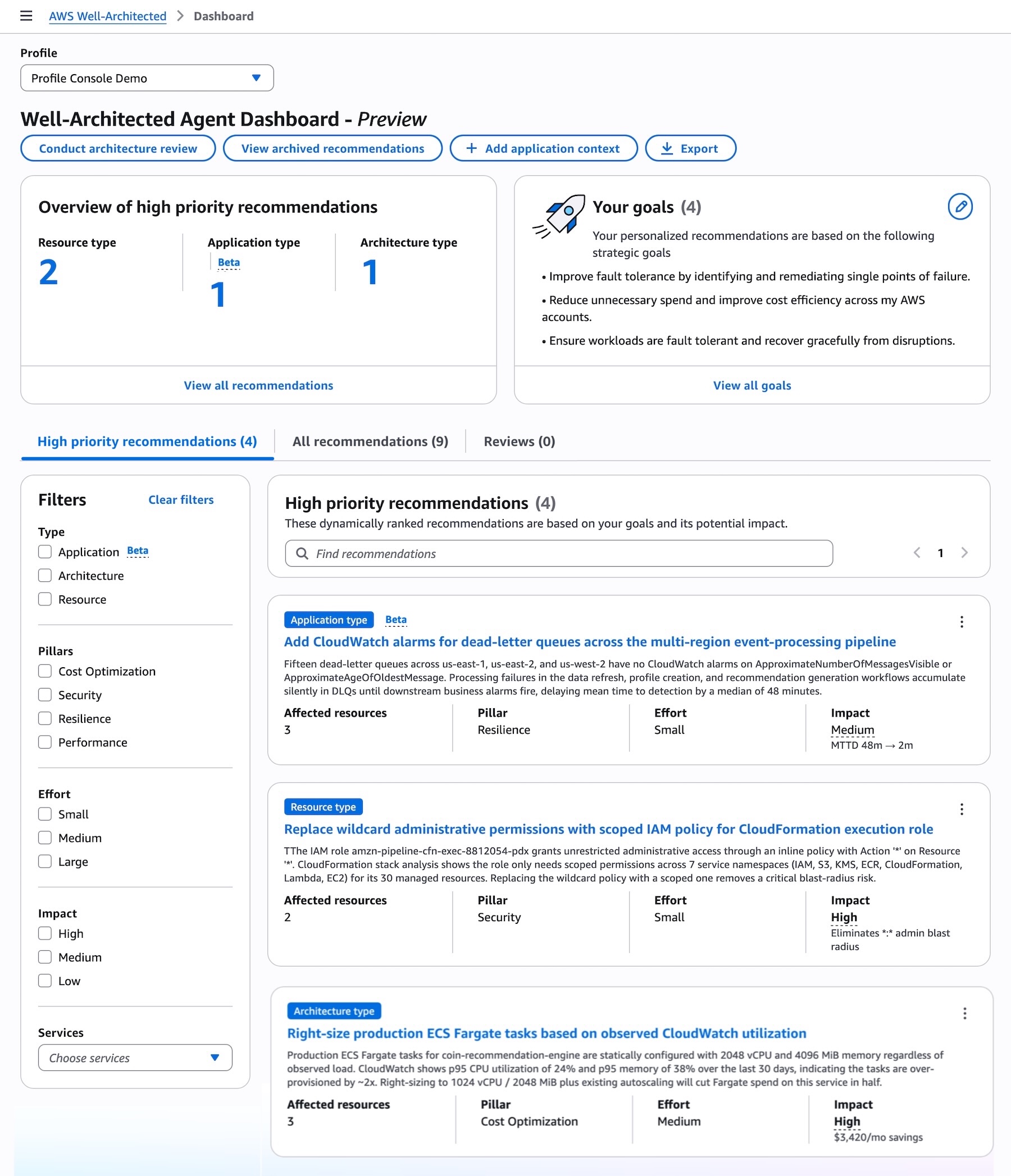
The remediation process itself is designed to be transparent. When the agent suggests a fix—such as upgrading an instance type or updating a security group policy—it provides multiple paths for resolution. A user can choose to perform the remediation via the AWS console, run a suggested CLI command, or apply an updated IaC template. This flexibility is critical for organizations with strict change-management protocols, as it allows for the integration of agent-suggested fixes into existing Git-based workflows.
Looking Ahead
The move to provide automated, context-aware architectural guidance represents a maturing of the cloud computing market. As infrastructure grows in scale and complexity, the ability to maintain a "well-architected" state manually is becoming functionally impossible for most organizations. By embedding this expertise directly into the cloud platform, AWS is essentially providing every customer with a virtual cloud architect that never sleeps.
While the current version is limited to specific regions and support tiers, the trajectory suggests a future where "continuous optimization" becomes a default configuration rather than a periodic project. As the preview progresses, the data collected from user feedback will likely refine the agent’s recommendation engine, potentially leading to more advanced automated remediation features. For now, enterprises are encouraged to leverage the console to begin identifying "low-hanging fruit" in their cost and security postures, marking a significant step forward in the quest for cloud efficiency.
Organizations interested in participating in the preview are directed to the AWS Well-Architected console to create their initial profiles. By providing feedback through standard AWS Support channels, users can play a pivotal role in shaping the final feature set of what promises to be one of the most transformative additions to the AWS toolset in recent years. As the industry continues to move toward autonomous operations, the AWS Well-Architected Agent stands as a clear indicator of the path forward for cloud-native engineering.
Related posts: