U.S. Coast Guard and FBI Board U.S.-Bound Oil Tankers in Gulf of Mexico Following Sophisticated Cyberattacks on Navigation and Propulsion Systems

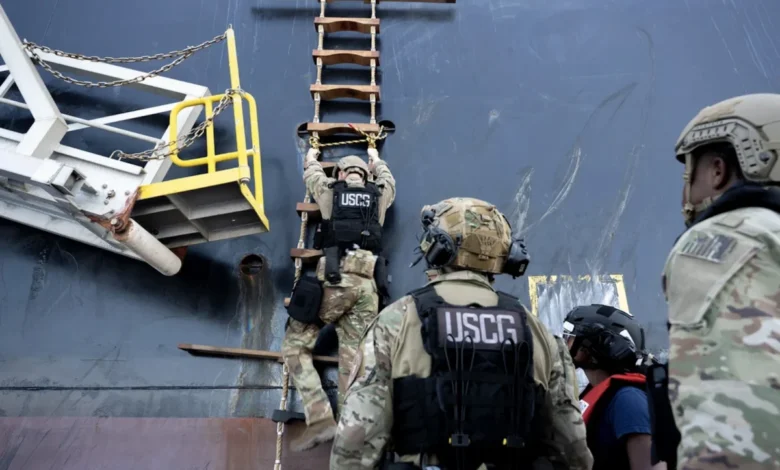
Federal law enforcement and cybersecurity agencies executed a high-stakes maritime operation in the Gulf of Mexico late last month, boarding two U.S.-bound oil tankers after hackers successfully compromised critical onboard computer networks. The unprecedented joint intervention by the United States Coast Guard and the Federal Bureau of Investigation underscores a rapidly escalating threat landscape where critical maritime infrastructure, global supply chains, and heavy industrial vessels are increasingly vulnerable to sophisticated cyber threats.
According to a joint statement released by the agencies, tactical teams boarded the vessels between August 21 and August 24. The primary objective of the operation was to thoroughly investigate the integrity of the ships’ operational technology (OT) and information technology (IT) systems. These actions were triggered by compelling indications that the networks of both vessels had been breached, with malicious actors managing to gain unauthorized control over core navigation, propulsion, and cargo management systems.
The intervention highlights the profound vulnerabilities inherent in modern maritime logistics. As commercial shipping continues to digitize and automate, vessels rely on complex, sprawling digital networks to coordinate everything from precise global positioning and route plotting to fuel efficiency and cargo distribution. The successful compromise of these systems represents a dangerous evolution in cyber warfare, transitioning the threat environment from traditional enterprise data theft to physical kinetic disruption on the high seas.
Chronology of the Breach and Subsequent Response
Public records and reporting confirmed by CBS News identified one of the targeted vessels as the VL Prosperity. Spanning an immense 333 meters in length and capable of carrying over two million barrels of crude oil, the supertanker was actively navigating toward the United States when the security compromise occurred.
The timeline of the incident traces back to early August. According to reports citing regional media sources, the cyberattack on the VL Prosperity was initiated on August 7 while the vessel was underway from Egypt to the United States. During the attack, malicious actors successfully interfered with the ship’s speed and fuel regulation systems. Concurrently, the tanker suffered a total communications blackout, losing contact with shore-based management and regulatory authorities for more than 24 hours.
Despite the severe nature of the digital intrusion, the joint statement issued by the FBI and the Coast Guard provided a measure of reassurance regarding the immediate physical outcome of the breach. The agencies confirmed that there were "no reports of operational disruptions, vessel instability, physical danger to crews, or environmental impacts." Furthermore, federal authorities noted that the captain, shipboard crew, and shore-based administrative staff of the vessel’s operating company cooperated fully with the investigative teams throughout the boarding and forensic analysis process.
Broader Geopolitical Context and Escalating Cyber Campaign
While federal investigators have not yet made a definitive public attribution regarding the identity of the threat actors, U.S. national security officials are actively examining potential state-sponsored involvement. Investigators are focusing heavily on whether Iran or proxy groups linked to Tehran were behind the operation.
This line of inquiry aligns with a broader surge in aggressive cyber operations observed in recent months. The escalation follows the outbreak of a wider conflict involving the United States and Israel against Tehran, a campaign that intensified significantly following the death of Iran’s supreme leader in February. Since that time, intelligence and cybersecurity agencies have documented a marked increase in retaliatory cyberattacks targeting critical infrastructure across the Western world.
Iranian-backed hacktivist and cyber warfare groups have launched a series of high-profile, destructive campaigns against critical Western sectors. Notable incidents in this broader campaign include a destructive cyberattack targeting medical device manufacturer Stryker, a major breach of the mass transit system in Los Angeles that required weeks of intensive remediation efforts, and coordinated digital compromises affecting more than one hundred water and wastewater facilities across the United States.
The Cybersecurity and Infrastructure Security Agency (CISA) has previously characterized these aggressive intrusions as largely "opportunistic" in nature, designed to inflict maximum disruption, test defensive thresholds, and retaliate against widespread military and strategic pressure. However, the targeting of a massive oil tanker carrying millions of barrels of volatile cargo represents a dramatic escalation from traditional enterprise or municipal utility hacks, pushing cyber warfare directly into the realm of hazardous maritime transport.
Technical Vulnerabilities of Modern Maritime Infrastructure
The incident involving the VL Prosperity brings long-standing cybersecurity vulnerabilities within the global maritime sector into sharp focus. For decades, commercial vessels operated largely on isolated, mechanical, and analog systems. However, modern shipping operations depend on the integration of smart maritime technologies, including Electronic Chart Display and Information Systems (ECDIS), automated radar plotting aids, satellite communication terminals, and computerized engine management systems.
These technologies are designed to enhance efficiency, reduce crew fatigue, and optimize fuel consumption. Yet, they also create vast digital attack surfaces. Many vessels utilize legacy operating systems that lack robust endpoint detection and response capabilities, and remote maintenance links established by third-party vendors often provide convenient vectors for malicious actors to pivot from shore-based networks onto shipboard industrial control systems.
When hackers successfully manipulated the speed and fuel systems of the VL Prosperity, they demonstrated the capability to influence the physical handling of a massive industrial vessel. Had the propulsion or steering controls been manipulated during passage through congested shipping lanes, narrow straits, or adverse weather conditions, the potential for catastrophic collisions, grounding, or massive oil spills would have been exceptionally high.
Official Statements and the Industry Response
Beyond the initial email correspondence confirming the joint boarding operations, representatives for the U.S. Coast Guard have declined to provide further public commentary, citing the ongoing nature of the federal investigation. Officials have also withheld the name of the second vessel boarded during the Gulf of Mexico operation, reflecting the high-sensitive security protocols surrounding active federal probes into critical infrastructure threats.
The cooperative stance exhibited by the vessel’s operators has been praised by maritime security experts as a vital component of modern incident response. When a cyber breach occurs on a commercial vessel at sea, immediate transparency and collaboration between the ship’s crew, corporate management, and specialized military and law enforcement cyber teams are essential to mitigating risks and preserving digital forensic evidence.
Implications for Global Trade and Maritime Security
The successful boarding of the oil tankers in the Gulf of Mexico serves as a watershed moment for international maritime security. It signals to commercial shipowners, port operators, and global logistics enterprises that cyberspace is now an active theater of operations.
In response to these evolving threats, regulatory bodies and international maritime organizations are expected to accelerate the implementation of stringent cybersecurity standards. Traditional safety protocols, historically focused on fire suppression, hull integrity, and collision avoidance, must now be inextricably linked with rigorous cybersecurity frameworks, continuous network monitoring, and mandatory incident reporting requirements.
As geopolitical tensions persist and state-sponsored threat actors continue to probe Western critical infrastructure for weaknesses, the intersection of cybersecurity and maritime transport will remain a critical frontier for national security. The decisive intervention by the U.S. Coast Guard and the FBI demonstrates a proactive posture in defending the nation’s supply chains, but it also serves as a stark warning regarding the fragile digital underpinnings of global commerce.
Related posts: