
Toys R Us Succeeds In Spite Of Itself
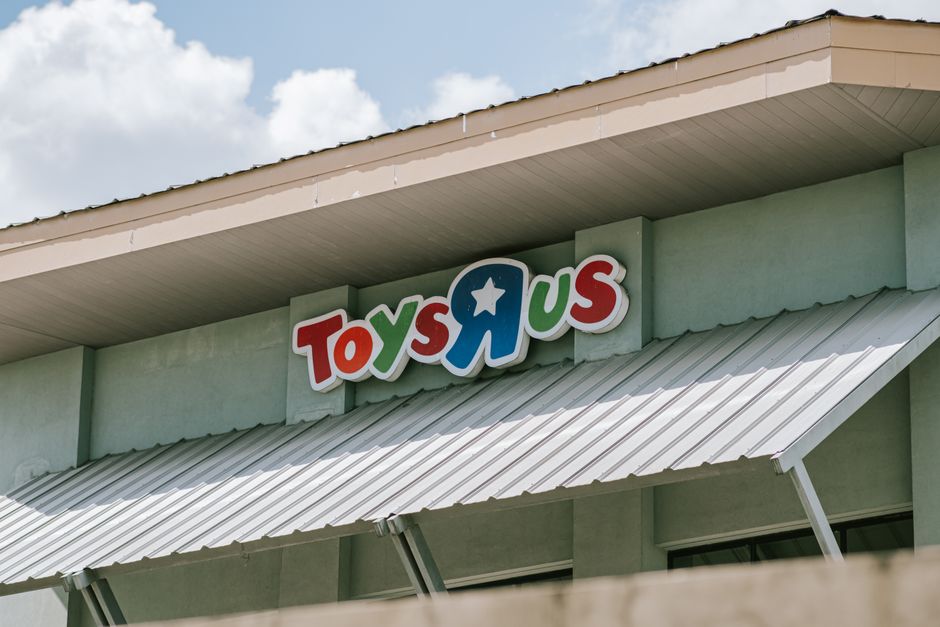
Toys R Us: A Resilient Giant Defying Expectations
Toys R Us, the once-ubiquitous beacon of childhood wonder, has staged a remarkable comeback, defying the conventional wisdom that declared its demise inevitable. This resurgence isn’t a tale of seamless strategic brilliance or a perfect pivot; rather, it’s a testament to the enduring power of brand recognition, nostalgic loyalty, and a surprisingly adaptive, albeit sometimes chaotic, management approach. The company’s journey from bankruptcy to renewed relevance is a fascinating case study in how a legacy brand, even one laden with past missteps, can claw its way back by understanding its core strengths and strategically leveraging them in a rapidly evolving retail landscape.
The initial narrative surrounding Toys R Us’s downfall was a familiar one in the late 2010s. A heavy debt burden, crippling competition from online giants like Amazon and big-box retailers like Walmart and Target, and a failure to innovate in the digital space painted a grim picture. The closures of hundreds of stores and the subsequent bankruptcy filing seemed to signal the definitive end of an era. However, the spirit of Toys R Us never truly died. It lingered in the memories of generations who grew up navigating its aisles, dreaming of the latest action figures and dolls. This deep-seated emotional connection became a critical, and perhaps underestimated, asset. The brand represented more than just a place to buy toys; it was an experience, a destination for imagination.
When the brand was acquired out of bankruptcy, the initial focus was on rebuilding a leaner, more agile operation. The new leadership recognized that a direct confrontation with Amazon on price and convenience was a losing battle. Instead, the strategy pivoted towards creating unique in-store experiences and fostering a sense of community. This meant reimagining the traditional Toys R Us store, transforming it from a warehouse of toys into a curated destination. The introduction of in-store play areas, demonstration zones for popular toys, and scheduled events like character meet-and-greets aimed to draw families back into physical stores, offering something beyond transactional shopping. This was a conscious effort to recapture the magic of browsing and discovery that online platforms struggle to replicate.
The success of this experiential retail approach is directly linked to the enduring appeal of the "R Us" brand itself. While the company faltered operationally, the iconography and emotional resonance of Toys R Us remained potent. The distinctive Geoffrey the Giraffe mascot, the familiar jingle, and the sheer scale of its past presence created a potent nostalgia that resonated deeply with parents who had fond childhood memories of the store. This provided a crucial foundation upon which the new iteration of Toys R Us could build. Instead of fighting for the cheapest price, the company focused on creating an emotional connection, tapping into a desire for a tangible, joyful toy-buying experience that evoked simpler times.
Furthermore, Toys R Us astutely identified a significant gap in the market: the need for dedicated toy retailers that could offer expert advice and a comprehensive selection beyond what generalist retailers could provide. While Walmart and Target offer toys, their primary focus remains diversified. Amazon, while vast, lacks the curated feel and immediate gratification of a physical store. Toys R Us, by focusing exclusively on toys and related merchandise, could position itself as the ultimate authority and destination for all things play. This specialization allows them to build deeper relationships with toy manufacturers, securing exclusive product lines and early releases that further differentiate them from competitors.
The partnership with Kroeger has been another pivotal, albeit unconventional, element of Toys R Us’s revival. Placing Toys R Us sections within Kroeger grocery stores might seem like a strange bedfellow, but it strategically placed the brand within an existing high-traffic retail environment. This "store-within-a-store" model allowed Toys R Us to reach a wider audience without the immense overhead of establishing standalone stores. It also catered to a specific consumer behavior: parents often shop for groceries with their children, and the presence of a toy section provides a convenient and enjoyable diversion. This pragmatic approach, born out of necessity, proved surprisingly effective in reintroducing the brand to a new generation of shoppers and re-engaging past customers in a familiar context.
The company’s digital strategy, while historically a weakness, has also seen a notable, if gradual, improvement. The relaunch of their e-commerce platform has been more focused, aiming to complement the in-store experience rather than compete head-on with Amazon’s vast inventory and rapid delivery. This involves offering click-and-collect services, facilitating easy returns, and showcasing the curated selection available in their physical locations. The website now acts as a digital extension of the in-store experience, allowing customers to browse, research, and plan their visits. This symbiotic relationship between online and offline channels is crucial for modern retail success, and Toys R Us has learned to leverage this effectively, albeit with a more measured approach than some rivals.
Another key factor in Toys R Us’s survival has been its ability to adapt to changing consumer preferences for toy categories. The company has embraced the rise of STEM toys, educational games, and collectibles, recognizing that the modern toy market is far more diverse than it was in its heyday. This includes actively promoting brands that encourage learning and creativity, aligning with parental desires for developmentally beneficial play. By staying abreast of trends and curating a relevant product mix, Toys R Us ensures that it remains a go-to destination for parents seeking both fun and educational toys. This responsiveness is vital in a market where product lifecycles can be short and trends can shift rapidly.
The inherent advantages of a large, established toy retailer cannot be understated, even with past challenges. Toys R Us possesses significant purchasing power, allowing them to negotiate favorable terms with manufacturers. This can translate into more competitive pricing on certain items and access to exclusive product bundles or early launches. This leverage is a considerable asset that newer, smaller retailers would struggle to replicate. The sheer volume of their operations enables them to absorb some costs and offer promotions that might be prohibitive for less established players, effectively allowing them to compete on price in specific categories.
Furthermore, the company has benefited from a deliberate shift in consumer sentiment. After years of being inundated with online purchasing options, there’s a growing appreciation for the tactile experience of shopping, the serendipity of discovery, and the social aspect of family outings. Toys R Us, by emphasizing its experiential retail model, taps directly into this renewed appreciation for physical retail. The act of physically picking up a toy, playing with it in a demonstration area, and sharing that experience with a child creates a memorable moment that a simple click on a website cannot replicate. This has re-emphasized the value proposition of brick-and-mortar retail, especially for a brand synonymous with childhood fun.
The company’s marketing efforts have also become more sophisticated, focusing on leveraging its nostalgic appeal while also highlighting its modern offerings. Campaigns often blend images of classic Toys R Us stores with contemporary product lines, appealing to both parents who remember the original brand and their children who are discovering it anew. This dual approach ensures broad market appeal and reinforces the idea that Toys R Us is not just a relic of the past but a vibrant, relevant brand for today’s families. The effective use of social media platforms to showcase new products, highlight in-store events, and engage with customers further amplifies their reach and fosters a sense of community.
The resilience of Toys R Us can also be attributed to a strategic embrace of partnerships and collaborations. Beyond the Kroeger alliance, the company has explored collaborations with popular toy brands for exclusive product releases and co-branded marketing campaigns. These partnerships allow Toys R Us to tap into the existing fan bases of other popular brands, driving traffic and sales. By aligning itself with trusted and beloved toy companies, Toys R Us reinforces its own credibility and expands its appeal to a wider demographic. This collaborative spirit is a hallmark of successful modern retail strategies, allowing brands to leverage each other’s strengths and reach new audiences.
In conclusion, Toys R Us’s remarkable recovery is not a story of flawless execution but rather a testament to the enduring power of brand equity, a strategic pivot towards experiential retail, shrewd partnerships, and an astute understanding of evolving consumer desires. The company has managed to succeed in spite of its past struggles by leveraging nostalgia, creating engaging in-store experiences, specializing in the toy market, and adapting its strategies to the digital age. While challenges undoubtedly remain, the renewed presence of Toys R Us signifies the resilience of a beloved brand that has found a way to navigate the complexities of modern retail and once again capture the imagination of families. Its continued success will likely hinge on its ability to maintain this adaptive momentum and continue to evolve its offerings in response to the ever-changing landscape of the toy industry and consumer behavior.
