Rituals Cosmetics Unveils Strategic Edinburgh Boutique in The Gyle Shopping Centre as Part of Ambitious Global Retail Transformation

Rituals Cosmetics, the renowned luxury beauty and wellness brand, is set to significantly bolster its presence in the United Kingdom with the grand opening of a new boutique in Edinburgh’s prominent The Gyle Shopping Centre. Scheduled for September 2026, this strategic launch marks a pivotal moment in the brand’s expansive UK and Ireland growth trajectory, coinciding with an unprecedented global retail overhaul that underscores Rituals’ unwavering commitment to delivering an elevated customer experience and reinforcing its position in the competitive wellness market.
The forthcoming Edinburgh boutique is meticulously designed to offer an "immersive experience," inviting customers into the heart of Rituals’ distinctive philosophy. Patrons will be able to explore the brand’s signature collections spanning bath, body, and home products, all crafted with the intention of transforming everyday routines into meaningful moments of mindfulness and self-care. This approach aligns perfectly with the brand’s ethos, which is deeply rooted in ancient traditions and rituals from various Eastern cultures, reinterpreted for modern life. The boutique’s design and product presentation are expected to create a serene and engaging environment, encouraging sensory discovery and personal connection with the brand’s extensive range, from luxurious body creams and aromatic shower foams to sophisticated home fragrances and skincare solutions. The emphasis on an "immersive experience" suggests a departure from conventional retail, leaning towards a space where customers can not only purchase products but also engage with the brand’s lifestyle vision, perhaps through interactive displays, scent discovery zones, or even in-store consultation services.
Strategic Expansion in High Footfall Destinations
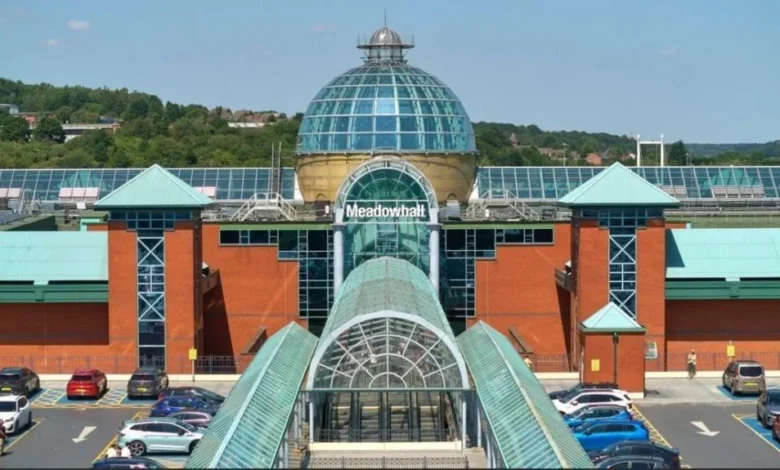
The selection of The Gyle Shopping Centre for this new venture is a calculated move within Rituals’ broader strategy to establish a strong foothold in "high footfall destinations." The Gyle, situated conveniently on the outskirts of Edinburgh, serves as a major retail hub for the city and surrounding areas, attracting a diverse demographic of shoppers. Its accessibility and comprehensive retail offerings make it an ideal location for a luxury brand seeking to maximise visibility and customer reach. This new boutique will undoubtedly contribute to the centre’s premium tenant mix, drawing in consumers who value quality, wellness, and an enhanced shopping experience. For Rituals, placing its boutiques in such strategic locations is crucial for brand awareness, direct customer engagement, and capitalising on impulse purchases from a steady stream of visitors. This decision reflects a broader industry trend where physical retail spaces are evolving beyond mere transactional points to become experiential hubs that complement and drive online sales.
The Edinburgh opening is not an isolated event but rather "another key step" in a more extensive UK and Ireland expansion strategy that Rituals has been actively pursuing. Earlier in March of the same year, the brand successfully opened four new boutiques across key locations, demonstrating its aggressive market penetration. These included Wilton Shopping Centre in Cork, Ireland; Whitewater Shopping Centre in Newbridge, Ireland; a location in Kildare, Ireland; Wimbledon in London, UK; and Taunton in the UK. This multi-pronged approach illustrates Rituals’ commitment to establishing a robust network of physical stores across diverse regional markets, ensuring accessibility for a wider customer base and solidifying its brand presence in both established urban centres and growing regional hubs. The simultaneous expansion in both the UK and Ireland highlights the brand’s perception of these markets as ripe for growth in the luxury beauty and wellness sector.
Unprecedented Global Retail Transformation
Further underscoring the brand’s dynamic growth and visionary leadership, the Edinburgh announcement comes amidst news of one of Europe’s largest retail transformations, spearheaded by Rituals. In August 2026, just a month before the Edinburgh boutique’s debut, Rituals is embarking on an ambitious project to renew an astounding 1,500 boutiques across 30 countries. This monumental undertaking represents a significant investment of €40 million, equivalent to approximately £34.09 million. What makes this initiative particularly noteworthy is the compressed timeline: rather than phasing the renewal process over several years, Rituals is committed to elevating all 1,500 boutiques over an incredibly short period of just 30 working days.
This rapid transformation signifies a bold strategic move. It speaks volumes about Rituals’ operational efficiency, logistical capabilities, and unwavering dedication to maintaining a consistent, high-quality brand image globally. The swift execution minimizes disruption to customer experience and sales, allowing the brand to rapidly roll out its updated boutique concept across its vast international network. The renewed boutiques are expected to feature enhanced design aesthetics, potentially incorporating sustainable materials, updated digital elements, and improved layouts to further elevate the "immersive experience" that is central to the Rituals brand. This massive investment in physical retail at a time when many retailers are scaling back their brick-and-mortar presence highlights Rituals’ strong belief in the enduring power and importance of the physical store as a cornerstone of brand engagement and customer loyalty. It is a clear statement of intent to solidify its global market leadership and adapt its retail environments to meet evolving consumer expectations for modern, engaging, and experiential shopping spaces.
Rituals Cosmetics: A Brand Defined by Philosophy and Growth
Rituals Cosmetics was founded in 2000 by Raymond Cloosterman with a singular vision: to transform daily routines into more meaningful rituals. The brand distinguishes itself by blending ancient wisdom and traditions from various cultures with modern technology and sophisticated fragrances. Its extensive product portfolio spans body care, skincare, home fragrances, and natural makeup, all meticulously developed to inspire moments of calm and reflection amidst the fast pace of modern life. From the iconic ‘The Ritual of Sakura’ to ‘The Ritual of Jing’ and ‘The Ritual of Hammam,’ each collection tells a story and offers a unique sensory journey. This holistic approach to wellbeing, combined with high-quality ingredients and elegant packaging, has resonated deeply with consumers worldwide, fueling Rituals’ rapid expansion and solidifying its position as a leader in the luxury wellness segment.
The brand’s commitment to sustainability and ethical practices also forms a core part of its identity. Rituals actively strives to make its products and packaging more sustainable, using refill systems and recycled materials, aligning with a growing consumer demand for environmentally conscious brands. This commitment further enhances its appeal to a demographic that values not just luxury and efficacy, but also corporate responsibility.
Implications and Market Analysis
The strategic moves by Rituals Cosmetics carry significant implications for the brand, the retail landscape in Edinburgh, and the broader beauty and wellness market.
For Rituals Cosmetics: This aggressive expansion and monumental renovation project underscore the brand’s robust financial health and ambitious growth targets. By investing heavily in both new store openings and the modernization of its existing global fleet, Rituals is demonstrating a proactive strategy to secure market share, enhance brand loyalty, and future-proof its retail operations. The focus on "high footfall destinations" and "immersive experiences" indicates a clear understanding of contemporary consumer demands for experiential retail that goes beyond mere product purchase. This strategy is likely to translate into increased brand visibility, sustained revenue growth, and a reinforced position as a global leader in luxury wellbeing. The speed of the global renovation also suggests a desire to achieve brand consistency and a unified aesthetic worldwide quickly, which is crucial for a brand with such a distinct identity.
For Edinburgh’s Retail Sector and The Gyle Shopping Centre: The arrival of Rituals Cosmetics at The Gyle is a significant coup for the shopping centre, elevating its appeal and tenant mix. It reinforces The Gyle’s position as a premier shopping destination, capable of attracting high-end international brands. Such an addition can generate increased footfall, attracting a demographic interested in luxury beauty and wellness, which in turn benefits other retailers within the centre. For Edinburgh, it further diversifies its retail offering, catering to the city’s affluent residents and its significant tourist population, who often seek premium shopping experiences. The creation of new retail jobs, both directly within the boutique and indirectly through increased centre activity, also contributes positively to the local economy.
For the Wider Retail and Wellness Industry: Rituals’ substantial investment in physical retail sends a powerful message about the enduring relevance of brick-and-mortar stores, even in an increasingly digital world. It highlights a critical trend: successful physical retail spaces are evolving into experiential hubs that offer something unique beyond online shopping. This includes personalized service, sensory engagement, and a tangible connection to the brand’s philosophy. The luxury beauty and wellness market continues to demonstrate strong growth, driven by an increasing consumer focus on self-care, mental wellbeing, and premium, ethically sourced products. Rituals’ strategy positions it at the forefront of this trend, leveraging both its product quality and its distinctive brand narrative. The rapid global renovation project could also set a new benchmark for efficiency and ambition in retail transformation, challenging competitors to rethink their own approaches to store modernization.
Official Responses and Forward Outlook
While specific quotes from Rituals executives regarding the Edinburgh opening are yet to be released, the brand’s consistent messaging provides a clear indication of its perspective. Representatives for Rituals Cosmetics are expected to express enthusiasm for expanding their presence in Scotland, emphasizing their "commitment to bringing luxury wellbeing" to key communities. The brand is likely to reiterate its dedication to creating enriching retail environments that allow customers to fully engage with the Rituals philosophy and product range.
Similarly, management at The Gyle Shopping Centre would undoubtedly welcome Rituals as a prestigious addition to their roster of retailers. A spokesperson for The Gyle is anticipated to highlight how the new Rituals boutique will enhance the centre’s premium offering, attracting a discerning customer base and contributing to a vibrant shopping experience for all visitors.
Industry analysts are likely to view Rituals’ comprehensive strategy as highly astute. The combination of targeted new store openings in high-potential markets like Edinburgh, coupled with an ambitious global renovation, positions the brand for continued robust growth. This dual approach ensures both market expansion and the consistent delivery of a modern, engaging brand experience across its entire footprint. The investment signals confidence in the long-term viability of physical retail, particularly for brands that can offer unique, immersive, and value-driven propositions to consumers.
In conclusion, the impending launch of Rituals Cosmetics in Edinburgh’s The Gyle Shopping Centre is far more than a simple store opening. It is a strategic component of a meticulously planned, multi-faceted expansion and modernization initiative that speaks to the brand’s dynamism, its deep understanding of consumer needs in the wellness sector, and its unwavering belief in the power of physical retail. As Rituals continues to evolve and invest in its global presence, it reinforces its position as a leading force in transforming everyday routines into truly meaningful rituals for millions worldwide.
Related posts: