Costco Wholesale expands nationwide delivery partnerships with Uber and DoorDash to dominate the same-day grocery sector

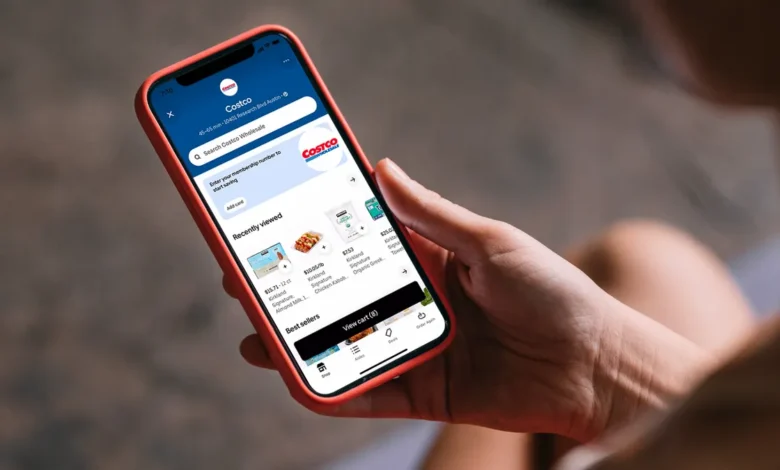
In a significant shift in its digital strategy, Costco Wholesale has officially expanded its e-commerce footprint, announcing that it has moved to a nationwide delivery model with both Uber and DoorDash. This strategic move marks a transition from a previously fragmented, test-based approach to a comprehensive, coast-to-coast delivery network. By integrating its massive physical footprint—comprising nearly 630 locations across 47 states and Washington, D.C.—with these two dominant third-party marketplaces, the warehouse giant is signaling an aggressive push to capture the growing demand for instant, on-demand grocery fulfillment.
This expansion comes at a pivotal time for the retail industry, as consumer expectations for delivery speed have shifted from "eventual" to "immediate." For Costco, a company historically known for its "treasure hunt" in-store experience, the integration of these platforms represents a calculated evolution of its business model, designed to retain its most valuable, high-spending members who increasingly prioritize convenience alongside value.
A Strategic Pivot Toward Digital Integration
The decision to scale these partnerships follows months of positive data regarding Costco’s stateside digital performance. During an earnings call in May 2026, Costco President and CEO Ron Vachris emphasized that the wholesaler’s same-day delivery business was not merely a secondary service, but a primary growth engine. According to Vachris, the company’s same-day delivery channel is currently outpacing its broader digital business in growth rate, serving as a critical tool for member engagement and loyalty.
For the high-volume Costco member, the appeal of same-day delivery is multifaceted. Beyond the mere convenience of avoiding the warehouse crowds, data suggests that members who utilize these delivery services tend to be among the retailer’s most frequent shoppers. By removing the physical barrier of a trip to the warehouse, Costco is effectively increasing its "share of stomach," ensuring that even when a member cannot make a physical visit, the brand remains their primary source for grocery essentials.
Chronology of the Digital Transformation
Costco’s path to a comprehensive delivery network has been a measured, multi-year process characterized by cautious testing and gradual expansion.

- 2017: Costco establishes its foundational e-commerce delivery partnership with Instacart, setting the industry standard for warehouse-to-door grocery delivery.
- 2021: The company initiates a localized pilot program with Uber in Texas, testing the viability of on-demand delivery across 25 select locations.
- 2024: Following the success of the Texas pilot, Costco and Uber announce a broader expansion into international markets, including Canada, Mexico, and Japan.
- January 2026: The partnership with Instacart evolves to include international markets, launching the first same-day delivery websites for Costco in France and Spain.
- August 2026: Instacart and Costco expand their service offerings to include custom cakes and party platters, signaling a push into higher-margin, event-driven categories.
- September 2026: Costco officially rolls out a full-scale nationwide integration with both Uber and DoorDash, effectively ending the era of regional-only testing and establishing a multi-platform delivery ecosystem.
The Dynamics of the New Partnership Ecosystem
The inclusion of DoorDash represents a major expansion of the retailer’s logistics capabilities. Prior to this week’s announcement, the partnership between Costco and DoorDash in the United States was largely confined to Puerto Rico. By onboarding the full fleet of U.S. stores, DoorDash has provided Costco with a significant boost in last-mile reach.
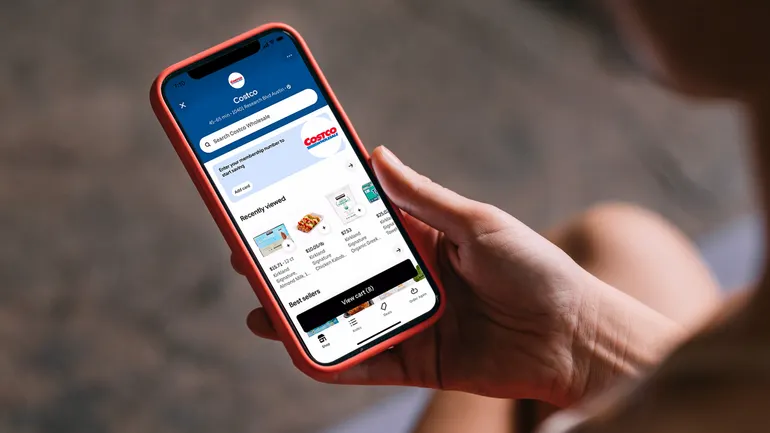
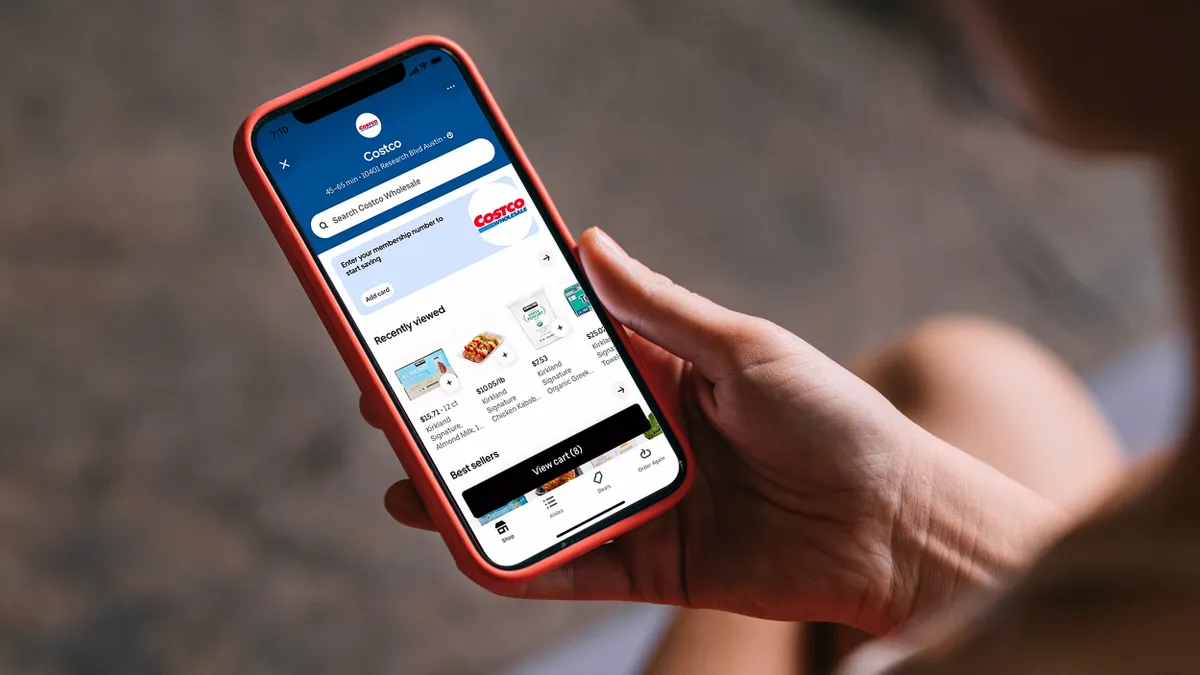
For the consumer, the platform provides a dual-option interface. Users can now choose between on-demand, immediate delivery or scheduled slots, providing flexibility that aligns with the varying needs of a Costco household. Furthermore, the integration with Uber includes a suite of promotional incentives, such as Uber One membership benefits, discounted gift cards, and the unique ability for non-members to purchase a Costco membership directly through the Uber Eats interface. This "membership-as-a-service" approach is a clever tactic to reduce friction for new customers who may be intimidated by the warehouse-club model but are already comfortable with the Uber ecosystem.
Competitive Implications and Market Analysis
The reliance on a multi-platform strategy—utilizing Instacart, Uber, and DoorDash simultaneously—places Costco in a unique position within the retail landscape. While many competitors opt for exclusive delivery partnerships, Costco’s "all-of-the-above" approach allows the company to reach different demographic segments through different app interfaces.

From an analytical standpoint, this diversification serves as a hedge against platform volatility. If one provider experiences labor shortages or service disruptions, the warehouse chain retains redundancy. Moreover, it forces these three major delivery giants to compete for the Costco customer, potentially driving down costs and improving service levels.
The move also addresses the "last-mile" challenge that has historically plagued big-box retailers. By leveraging the existing gig-worker fleets of Uber and DoorDash, Costco avoids the capital-intensive requirement of building its own dedicated delivery vehicle fleet. This keeps the company’s overhead low while allowing it to maintain the razor-thin margins that define its business model.
Institutional Responses and Future Outlook
While the company has not provided specific guidance on the projected revenue lift from this expansion, market analysts suggest that the impact on membership renewals could be substantial. By making the "Costco experience" accessible via the smartphone apps that consumers use daily, the retailer is effectively insulating itself against the rise of direct-to-consumer grocery startups and traditional brick-and-mortar competitors.
A spokesperson for DoorDash confirmed the logistical scope of the project, noting that the company is prepared to handle the unique demands of bulk-order grocery delivery, including heavy items and perishable goods that require cold-chain management. Similarly, Uber’s focus on the "Uber One" subscription service suggests that the company is banking on cross-platform loyalty to drive order frequency.
As the industry moves into the final quarter of 2026, the success of this nationwide rollout will be measured by the rate of adoption among existing members who have yet to use digital delivery services. With nearly 630 locations now plugged into a sophisticated, multi-vendor digital grid, Costco has effectively signaled that its future is as much about digital convenience as it is about physical inventory.
The broader implication for the retail sector is clear: the divide between digital-first delivery platforms and traditional warehouse shopping has all but vanished. Costco’s ability to successfully bridge this gap may well serve as a blueprint for other big-box retailers looking to scale their digital operations without sacrificing the fundamental value proposition that has defined their success for decades. As the company continues to integrate niche offerings like custom catering and high-end services, the digital storefront is increasingly becoming the primary point of contact for the modern Costco member.