Goop Kitchen Launches East Coast Expansion, Bringing Gwyneth Paltrow’s Wellness-Focused Delivery Concept to New York City and Beyond.

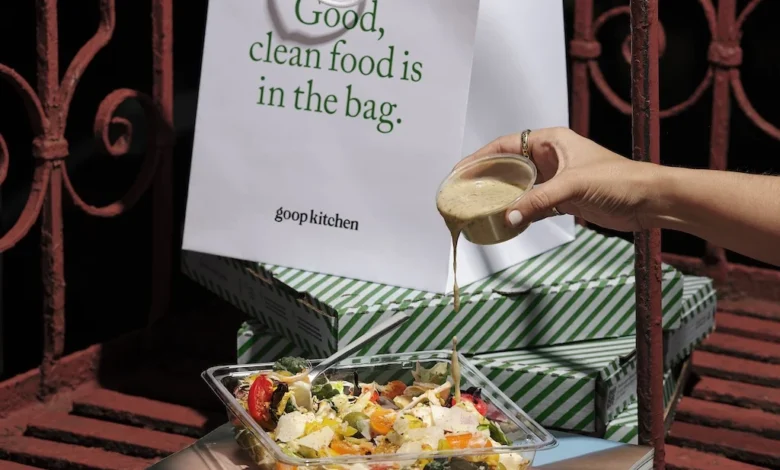
Gwyneth Paltrow’s Los Angeles-based delivery concept, Goop Kitchen, is poised for a significant East Coast debut, commencing its operations in New York City next week. This strategic expansion marks a pivotal moment for the brand, which has, since its inception, cultivated a niche in the wellness-focused food delivery market. After several years of successfully operating a network of ghost kitchens across California, Goop Kitchen is set to establish multiple outposts in Manhattan, with initial locations slated for Flatiron, the Upper West Side, and the Upper East Side throughout the current year. The highly anticipated launch of its first delivery-only hub in Midtown West is scheduled for April 20, with additional sites progressively opening their doors through the spring and summer. By autumn, the company anticipates its reach will encompass the majority of Manhattan and extend into select areas of Brooklyn, solidifying its presence in one of the world’s most competitive culinary landscapes.
The Evolution of Goop Kitchen: From Niche to Mainstream Ambition
Goop Kitchen, an extension of Gwyneth Paltrow’s renowned lifestyle brand Goop, was first introduced in 2021. It quickly carved out a reputation for its distinctive menu, characterized by dishes that are universally gluten-free, meticulously prepared without artificial preservatives or refined sugars, and contain minimal dairy. This dietary philosophy directly mirrors Paltrow’s long-standing advocacy for "clean eating," a concept she has extensively documented in her "Clean Plate" cookbook and championed through the broader Goop platform. Initially, the brand’s popularity surged within online wellness communities, heavily amplified by influencers who resonated with its health-conscious offerings.
However, as Goop Kitchen ventures beyond its established Californian stronghold, CEO Donald Moore articulated a clear strategic pivot: to broaden its appeal beyond its initial affluent, wellness-devoted customer base. "We are very much a brand and product company, but we also want to improve clean eating for everybody," Moore stated in an interview with Modern Retail. This declaration underscores a more inclusive vision, aiming to democratize access to "better-for-you" food options. "We want to feed more than just the most affluent people in the country," he added, signaling a deliberate effort to reach a wider demographic. This shift reflects a growing mainstream acceptance of wellness principles, a trend that Moore believes Paltrow’s early "food-as-medicine" ethos presciently anticipated.
A Period of Accelerated Growth and Strategic Expansion
The expansion into New York City arrives on the heels of a remarkable period of growth for Goop Kitchen. The food delivery business reported a staggering 60% year-over-year revenue increase in 2024, as documented in a 2025 report by Fortune. Moore confirmed this trajectory, stating, "We basically doubled the size of the company last year." This exponential growth is projected to continue throughout the current year, driven largely by the strategic opening of the three new New York locations. The company anticipates maintaining a growth rate "at close to 100% a year," illustrating robust market demand and operational efficiency.
This growth is not merely quantitative; it’s also underpinned by significant culinary leadership. Last year, Goop Kitchen brought on Michelin-trained chef Kim Floresca to spearhead its recipe development. Floresca’s expertise is crucial in maintaining the brand’s commitment to quality and flavor while adhering to its strict dietary guidelines. Moore emphasized the company’s culinary philosophy: "Our focus is: Let’s just start with what’s great and then work really hard on [sourcing] the ingredients." This dedication to high-quality, thoughtfully sourced components is a cornerstone of the brand’s appeal and a key differentiator in the crowded food delivery market.
Goop Kitchen’s menu features several signature dishes that have garnered a loyal following, including its popular teriyaki bowl and the Brentwood Chinese chicken salad. Notably, its gluten-free pizzas have also seen a significant surge in popularity, becoming a talking point among health-conscious consumers seeking alternatives to traditional pizza offerings. The successful integration of these popular items into a delivery-only model, combined with efficient operational strategies, has enabled the company to achieve impressive financial metrics. Moore highlighted the efficiency of their ghost kitchen model, noting, "We have restaurants that are in the 700-square-foot range doing $6 million to $9 million in annual revenue," underscoring the profitability and scalability of their operations.
Navigating the New York Market: A Tailored Approach
New York City presents a unique set of opportunities and challenges for Goop Kitchen. Known globally as a sophisticated food capital and arguably the most evolved market for food delivery, the city’s dense population and fast-paced lifestyle make it an ideal testbed for Goop Kitchen’s delivery-centric model. Jena Wolfek, VP of Marketing at Goop Kitchen, articulated the natural alignment: "As a brand built specifically for delivery and takeout, we see a natural alignment."
While the delivery model will remain foundational, Goop Kitchen plans to adapt its concept to best suit the nuances of each market. In New York, this means a more aggressive experimentation with pickup options. Moore envisions "nicely-designed pickup store with a few seats," catering to the Manhattanite preference for grabbing a quick, healthy meal on the go. "People in Midtown Manhattan like to go for a walk and grab a salad at lunchtime," he observed, indicating a thoughtful consideration of local consumer habits. This flexible approach demonstrates the brand’s commitment to optimizing its service for regional demands.
The New York launch is not just about expanding geographical reach; it’s also about establishing a strong brand identity in a highly competitive environment. To achieve this, Goop Kitchen is rolling out a comprehensive "Made for New York" campaign. This multi-channel initiative includes a significant out-of-home (OOH) component, strategically placed to capture the attention of busy New Yorkers, alongside a robust social media presence. The campaign prominently features Gwyneth Paltrow herself, alongside a diverse cast of New York City-based personalities, underscoring the brand’s effort to integrate into the local cultural fabric. Notable figures include Jonquel Jones of The New York Liberty, Jovani Furlan, a principal dancer for The New York City Ballet, fashion creator Coco Schiffer, and renowned fashion publicist Kelly Cutrone. Wolfek emphasized that the OOH and digital ads are designed to "meet New Yorkers where they are: on the street and on their phones," ensuring maximum visibility and resonance.
Industry Context and Expert Perspectives
The entry of Goop Kitchen into the New York market occurs at a fascinating juncture for the food industry. The broader fast-casual dining sector has faced considerable headwinds, with many establishments struggling to maintain profitability amidst shifting consumer preferences and rising operational costs. In this landscape, Goop Kitchen aims to differentiate itself from popular chains by offering a distinct value proposition. Moore highlighted their balanced sales distribution – roughly 50% at lunchtime and 50% at dinner – as a significant advantage over many fast-casual restaurants that are heavily reliant on peak lunch hours. This consistent demand throughout the day contributes to higher kitchen utilization and greater overall profitability.
Rachel Hirsch, founder and managing partner of Los Angeles-based Wellness Growth Ventures, views Goop Kitchen’s East Coast expansion as a crucial test for the concept’s long-term viability and broader appeal. Hirsch noted that the wellness trend has thoroughly permeated the food industry, leading to unprecedented competition for health-conscious consumers. She observed Goop Kitchen’s successful strategy in Los Angeles, which primarily targeted "wellness-focused Erewhon customers" – a demographic known for its willingness to invest in premium health and wellness products. The challenge in New York, Hirsch suggests, will be adapting this strategy to a potentially wider, more diverse customer base. "It will be interesting to me [how] the strategy will be so vastly different there [in New York]," she commented, acknowledging the need for a nuanced approach.
One of the most anticipated tests, according to Moore, will be the reception of Goop Kitchen’s gluten-free pizzas in New York City. "There is already a foundation of great pizza in New York," he acknowledged, fully aware of the city’s discerning palate and deep-rooted pizza culture. "So I want to see how we do there and how people respond to it." This candid remark highlights the brand’s willingness to face direct competition in a category where New Yorkers hold particularly high standards, signaling confidence in their product.
Broader Implications and Future Trajectory
Goop Kitchen’s bold move to the East Coast carries significant implications not just for the brand, but for the wider food delivery and wellness industries. Should the expansion prove successful, it would serve as a powerful validation of Gwyneth Paltrow’s "food-as-medicine" ethos, demonstrating its sustained relevance and increasing mainstream acceptance. It would also underscore the scalability of a premium, health-focused ghost kitchen model, potentially paving the way for other specialized delivery concepts to follow suit.
Beyond New York, Goop Kitchen already has its sights set on further expansion. Moore revealed plans to enter the South Florida market as the next strategic move. The company is also actively "testing a few new concepts this year," including one dubbed "in real life." This innovative format is envisioned to consist of approximately 80% delivery orders, complemented by a smaller, perhaps more intimate, sit-down component. This hybrid model suggests an evolving understanding of consumer preferences, blending the convenience of delivery with the occasional desire for a physical dining experience.
The overarching goal, as articulated by Moore, is to marry the surging demand for "better-for-you" food options with an efficient and scalable delivery infrastructure. In an era where consumers are increasingly mindful of what they put into their bodies, Goop Kitchen positions itself at the intersection of health trends and technological convenience. The New York launch, therefore, is more than just a geographical expansion; it is a critical step in Goop Kitchen’s journey to solidify its position as a leading purveyor of clean eating, accessible to a broader audience across the nation, and a testament to the enduring influence of the wellness movement on modern culinary habits.
Related posts: