ShinyHunters Cyberattack Exposes Hundreds of Thousands of Files from Florida Driver and Vehicle Database After Failed Extortion Attempt

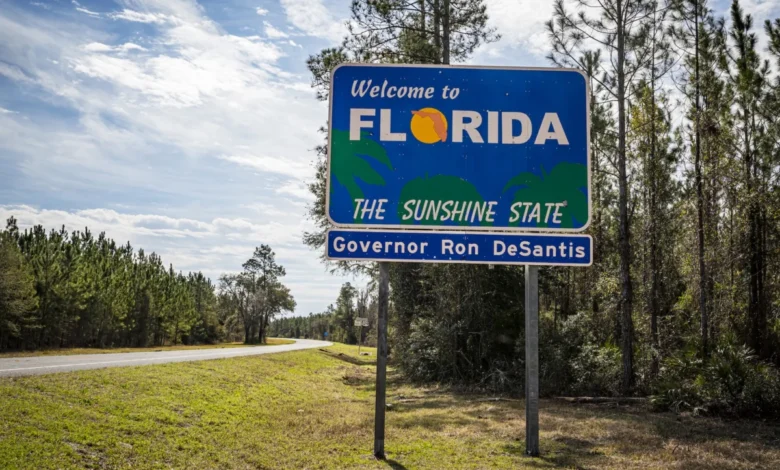
The notorious cybercrime collective known as ShinyHunters has followed through on its digital extortion threats, publishing hundreds of thousands of sensitive files extracted from a core Florida state database containing motor vehicle and driver information. The massive data dump comes directly on the heels of the state’s refusal to bow to the hackers’ financial demands or enter into negotiations following an initial breach earlier in the month.
According to statements released by the threat actors on their primary leak site, the decision to publicly distribute the stolen trove was made explicitly because the victimized state agency failed to pay a ransom or cooperate with their ultimatums. The breach targets the Driver and Vehicle Information Database (DAVID), a critical technological repository utilized by law enforcement agencies and state motor vehicle divisions across Florida to track vehicular data, driving histories, and registration details.
Anatomy of the Breach and Stolen Data
The compromised data repository contains a vast cross-section of records detailing vehicle ownership and registration histories across the state. An independent review of the leaked files confirms that the cache includes hundreds of thousands of individual certificates of vehicle ownership. Within these records, cyber-researchers and security analysts have identified sensitive personally identifiable information (PII), including the full legal names and physical addresses of both vehicle buyers and sellers, alongside corresponding vehicle identification numbers (VINs).
Furthermore, a subset of the stolen files contains exceptionally sensitive government-issued documentation. This portion of the leak includes individuals’ Social Security numbers, foreign passports, and critical immigration papers. However, initial forensic evaluations indicate that the exposed cache does not appear to contain primary state-issued driver’s licenses or biometric identity photographs, which provides a minor mitigation to what otherwise stands as a catastrophic privacy leak for hundreds of thousands of residents and out-of-state vehicle purchasers.
To substantiate their claims and pressure state officials during the initial phases of the intrusion, the hacker syndicate published a targeted piece of digital evidence earlier in September. The perpetrators displayed a purported state record linked to the late convicted sex offender Jeffrey Epstein, who historically maintained a prominent residence in Palm Beach, Florida. This high-profile teaser served to amplify media attention and demonstrate the deep level of access the threat actors had achieved within the state’s technical architecture.
The Threat Vector: Compromised Personal Credentials
The breach of the DAVID system did not occur through a sophisticated, zero-day software exploit or a complex network penetration. Instead, the entry point into Florida’s digital infrastructure was achieved through a human vulnerability: compromised authentication credentials.
According to disclosures from the Florida Department of Highway Safety and Motor Vehicles (FLHSMV), the hackers successfully compromised the legitimate credentials of a local police officer. These credentials had been improperly stored on a personal, non-secure device. By hijacking these authorized login details, the threat actors were able to masquerade as legitimate law enforcement personnel, bypassing perimeter defenses and operating undetected within the internal network long enough to siphon off vast archives of personal data.
This vector underscores a persistent, systemic challenge facing public sector cybersecurity: the security posture of municipal and state networks is frequently only as strong as the weakest endpoint or the least vigilant user. In an era where remote work, mobile policing, and interconnected databases are standard operating procedure, the reliance on single-factor authentication or poorly secured personal hardware continues to present a lucrative hunting ground for sophisticated cybercrime organizations like ShinyHunters.
Official Response and State Acknowledgement
The FLHSMV formally acknowledged the security incident in a public statement released mid-September, scrambling to contain the fallout as news of the breach broke across technology and mainstream news outlets. The agency initiated an internal forensic investigation alongside state and federal law enforcement partners to determine the exact scope of the exfiltrated data and to secure any remaining vulnerabilities within the DAVID architecture.

Despite the gravity of the public release and ongoing inquiries by cybersecurity journalists, agency representatives have largely maintained radio silence regarding the latest developments. Requests for detailed comments concerning the publication of the unredacted files on the dark web and hacker forums went unanswered by FLHSMV spokespeople, reflecting a standard crisis-communication strategy often employed by government entities facing active extortion demands: avoiding public engagement that might validate or further publicize the extortionist syndicate’s platform.
A Broader Trend: The September Wave of Credential and ID Breaches
The breach of Florida’s motor vehicle database does not stand as an isolated incident; rather, it highlights a broader, alarming industry-wide trend of massive government and identity database compromises occurring throughout the month of September.
Coinciding with the Florida incident, the identity verification titan IDScan confirmed a monumental data breach that compromised the biometric and personal records of more than 150 million individuals. In that separate but structurally similar cyberattack, threat actors managed to steal over 150 million high-resolution images of driver’s licenses, representing one of the largest identity verification leaks in corporate history.
When viewed in tandem, the IDScan disaster and the ShinyHunters Florida breach paint a grim picture of the vulnerability inherent in modern identity management systems. Millions of citizens are legally mandated to surrender their most sensitive documentation—ranging from Social Security numbers to driver’s licenses and vehicle titles—to state agencies and private verification brokers. The recurring failure of these entities to secure repositories adequately leaves ordinary citizens defenseless against downstream threats such as synthetic identity fraud, targeted phishing, and comprehensive financial impersonation.
Implications and Long-Term Fallout
The fallout from the ShinyHunters data dump will likely ripple across Florida’s administrative, legal, and political landscapes for years to come.
From an immediate operational standpoint, thousands of vehicle owners and individuals whose immigration or government documents were leaked now face an elevated risk of targeted identity theft and social engineering attacks. While the absence of driver’s license photos in the leaked database spares victims from immediate deepfake exploitation, the inclusion of names, physical addresses, and Social Security numbers provides malicious actors with ample raw material to execute complex financial frauds and tax scams.
Legally, the incident invites intense scrutiny regarding state data governance standards. Public sector institutions are increasingly finding themselves outmatched by financially motivated, organized cybercrime rings that operate with corporate efficiency. State agencies, historically constrained by tight budgetary caps, legacy IT infrastructure, and difficulties in recruiting top-tier cybersecurity talent, struggle to maintain defenses against groups that constantly adapt their tactics.
Furthermore, the state’s hardline stance against paying ransoms—while legally and ethically aligned with federal cybersecurity guidance advising organizations never to fund criminal enterprises—carries immediate collateral damage for the citizens whose data is ultimately published. Without a functional mechanism to compel hackers to purge stolen files upon refusing a ransom, citizens bear the brunt of the privacy violation.
As investigations continue and affected individuals begin assessing their personal exposure, the breach serves as a stark reminder of the urgent need for structural overhauls in how public sector agencies handle authentication, secure employee endpoints, and protect centralized databases holding the private information of millions of citizens.
Related posts: