BMW Accelerates Global Electrification Strategy Through Localized Battery Supply Chain Integration

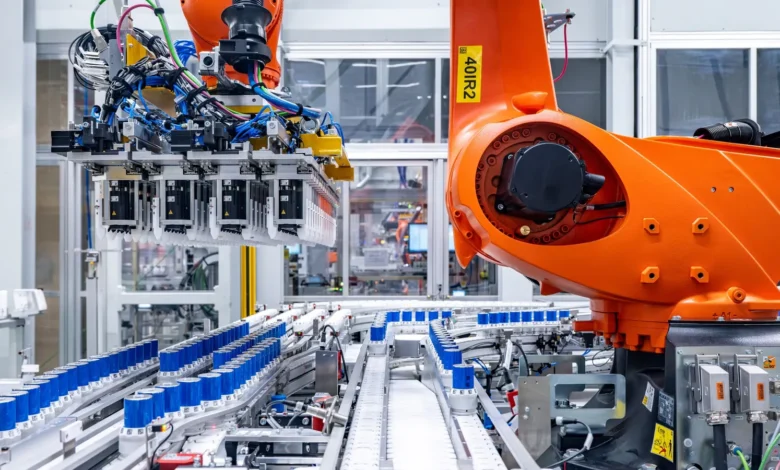
BMW Group is executing a comprehensive strategic shift aimed at securing its long-term dominance in the electric vehicle (EV) market by fundamentally localizing its high-voltage battery supply chains. This industrial transformation involves the establishment of battery cell manufacturing facilities in close proximity to the company’s primary vehicle assembly plants across Europe, North America, and Asia. By aligning its logistics, procurement, and production footprints, the Munich-based automaker is attempting to insulate its manufacturing processes from the volatility of global trade, reduce logistical carbon footprints, and enhance operational agility.
The scale of this endeavor is evidenced by the construction of five dedicated high-voltage battery manufacturing facilities. These strategic hubs are situated in Irlbach-Straßkirchen, Germany; Debrecen, Hungary; Shenyang, China; Woodruff, South Carolina; and San Luis Potosí, Mexico. This geographically dispersed yet locally focused infrastructure is designed to create a "cell-to-vehicle" pipeline that minimizes the distance between battery cell production and vehicle assembly, thereby stabilizing the supply chain against geopolitical and economic disruptions.
A Chronology of Strategic Localization
The transition toward regionalized battery production did not occur in a vacuum. It follows years of intense investment and a pivot away from a centralized supply model.
In the early years of the last decade, BMW relied heavily on long-distance procurement of battery cells, primarily from East Asian manufacturers. However, as the automotive industry accelerated its transition toward full electrification, the limitations of this model became apparent—specifically regarding transport costs, supply chain transparency, and the environmental impact of shipping heavy battery components across oceans.
By 2022, BMW intensified its "Local for Local" strategy. The decision to break ground on the Woodruff, South Carolina, plant represented a major milestone, as it aimed to support the North American market directly. Simultaneously, in Europe, the company finalized supply agreements with industry heavyweights, including Samsung SDI, CATL, and EVE Energy. These partnerships were not merely purchase orders but collaborative frameworks intended to facilitate the co-location of battery production facilities near BMW’s own assembly lines.
In 2024, the focus shifted toward the implementation of the "Neue Klasse" platform, a clean-sheet architecture designed specifically for electric mobility. This platform acts as the technological engine for the company’s future, requiring a more efficient and energy-dense battery system than previous generations.
Technological Prowess: The Competence Centers
BMW’s strategy extends beyond procurement and assembly; the company has invested heavily in internal research and development to maintain its technological edge. The establishment of three specialized "Competence Centers" in Europe serves as the backbone of this internal expertise.
- Battery Cell Competence Center (Munich): This facility functions as the primary hub for fundamental research. Here, engineers explore next-generation chemistries and cell designs that will define the performance metrics of future vehicles.
- Cell Manufacturing Competence Center (Parsdorf): This site focuses on the "how" of manufacturing. By experimenting with pilot production lines, researchers identify methods to improve manufacturing quality and efficiency, which are then scaled across the company’s global factory network.
- Cell Recycling Competence Center (Salching): Recognizing that raw material scarcity is a looming threat to the EV industry, this center focuses on the circular economy. By developing proprietary recycling techniques, BMW aims to recover valuable materials—such as lithium, nickel, and cobalt—from end-of-life batteries, reintegrating them into the supply chain to produce new cells.
Strategic Rationale and Economic Implications
The necessity of localizing production is driven by both economic and regulatory realities. Nicolai Martin, the BMW Group board member responsible for purchasing and the supplier network, has emphasized that diversifying procurement is essential for global competitiveness. "We operate as locally as possible in our value chains, leveraging the potential of our global procurement markets," Martin noted.
From a macroeconomic perspective, this strategy provides a hedge against protectionist trade policies and regional supply chain shocks. For instance, the transition to local production in the United States helps the company meet the strict content requirements associated with federal tax incentives. By manufacturing batteries in South Carolina, BMW ensures that its products remain eligible for various government subsidies, a crucial factor in maintaining price competitiveness in the North American market.
Furthermore, the environmental aspect of the localized supply chain is significant. By eliminating the need to ship battery cells across continents, the company drastically reduces the "transportation footprint" of each vehicle. This is vital as the company aims to meet increasingly stringent corporate sustainability goals and emissions regulations in the European Union and beyond.
Capital Investment and Infrastructure Upgrades
The scale of capital expenditure required to support this vision is substantial. In February 2024, BMW committed approximately 650 million euros ($760 million) to upgrade its historic Munich plant. This facility is being retooled specifically for the production of Neue Klasse vehicles, with a firm deadline: the end of internal combustion engine production at the Munich site by 2027. This move signals a total commitment to the electrification of its flagship production facilities.
In the United States, the investment is equally aggressive. The 1.7-billion-dollar project in Spartanburg, South Carolina, is not merely an expansion of existing assembly lines; it includes the development of the Woodruff battery facility, which is critical to scaling production for the growing U.S. EV market. This investment demonstrates a long-term commitment to the American labor force and the domestic manufacturing ecosystem.
Industry Outlook: The Role of Neue Klasse
The success of these localized supply chains will ultimately be tested by the launch of the Neue Klasse platform. The new electric iX3 SUV, already in the market, showcases the early fruits of this strategy, featuring cylindrical cells that offer a 20% increase in energy density compared to the previous generation, alongside an 800-volt electrical system that enables significantly faster charging times.
Market analysts observe that the success of the Neue Klasse architecture will be the primary driver of BMW’s growth through the late 2020s. By controlling the battery chemistry and the supply chain, the automaker is positioning itself to be less dependent on third-party suppliers who may not be able to meet the specific requirements of its high-performance platforms.
However, the strategy is not without challenges. The reliance on the willingness of global technology companies to set up shop near BMW plants requires a delicate balance of negotiation and partnership. Additionally, the regulatory climate must remain favorable to high-tech manufacturing, particularly regarding energy costs and environmental permitting for new industrial sites.
Broader Impact and Conclusion
The shift toward localized battery production is a transformative moment for the automotive industry. It marks the end of an era where vehicles were largely assembled from components sourced from disparate global locations and signifies the beginning of a period where the battery—the most expensive and critical component of an electric car—is treated as a local, strategic asset.
For BMW, the implications are clear: by internalizing expertise through its competence centers and externalizing production through localized supply chain partnerships, the company is attempting to create a self-sustaining ecosystem. As competitors scramble to navigate supply chain disruptions, BMW’s strategy of "local-for-local" production serves as a blueprint for how legacy automakers can pivot into the electric age without sacrificing their manufacturing discipline or their reputation for high-quality engineering.
Ultimately, the company’s ability to maintain this pace of investment, manage the transition of its workforce, and successfully integrate its regional battery hubs will dictate its performance in the coming decade. As the automotive sector moves closer to a post-combustion future, the strength of the battery supply chain will be the single greatest differentiator between market leaders and those that fall behind. BMW’s current trajectory suggests that it is betting its future on the conviction that a shorter, more localized supply chain is the key to both sustainability and long-term profitability.