Radaris Domain Seizure Marks Landmark Shift in Battle Against Shadowy Data Broker Networks


The digital architecture of the American people-search industry suffered a significant blow this month as a New Jersey court ordered the transfer of Radaris.com and over a dozen associated domains to Atlas Data Privacy Corp. This move, a direct consequence of the company’s repeated refusal to comply with Daniel’s Law, signals a hardening stance against data brokers that have long operated with perceived impunity. The lawsuit underscores the growing tension between the commercial aggregation of personal information and the legal rights of public officials to maintain privacy in an era of heightened digital threats.
For years, Radaris has maintained a reputation for ignoring data removal requests from individuals seeking to obscure their home addresses, phone numbers, and other sensitive details from public view. The company, which operates an expansive network of interconnected people-search engines, effectively functioned as a clearinghouse for public records, often charging users to access dossiers on millions of Americans. However, the legal environment shifted dramatically with the implementation of Daniel’s Law, a New Jersey statute specifically designed to protect judges, law enforcement officers, and government personnel by mandating the removal of their personal data from commercial databases, with penalties of $1,000 per violation.
The Chronology of a Corporate Shell Game
The conflict between Atlas Data Privacy Corp and the operators of Radaris began in earnest in February 2024, when Atlas filed its initial lawsuit. What followed was a protracted legal standoff characterized by procedural obfuscation. Attorneys for Radaris frequently employed tactics that delayed court proceedings, ranging from challenging service of process to creating a confusing web of shifting corporate entities.
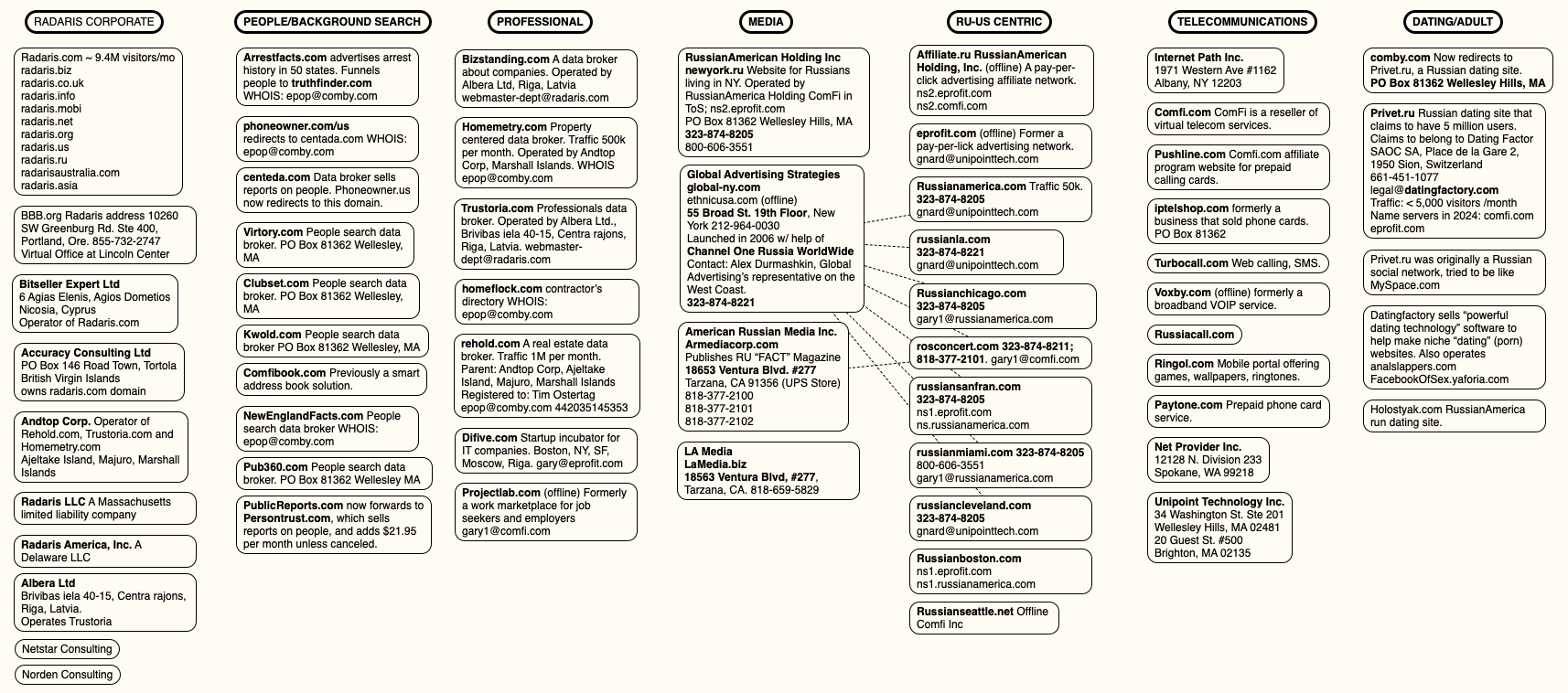
This "island-hopping" strategy involved the constant reconfiguration of corporate ownership, with control of the domains allegedly migrating through various shell companies based in jurisdictions including the Marshall Islands, the British Virgin Islands, and the Seychelles. According to Matt Adkisson, CEO of Atlas, this strategy was designed to force plaintiffs into attrition. By the time a legal challenge gained traction, the specific entity named in the lawsuit would often be "discarded," replaced by a new, ostensibly distinct entity that claimed no responsibility for the previous company’s liabilities.
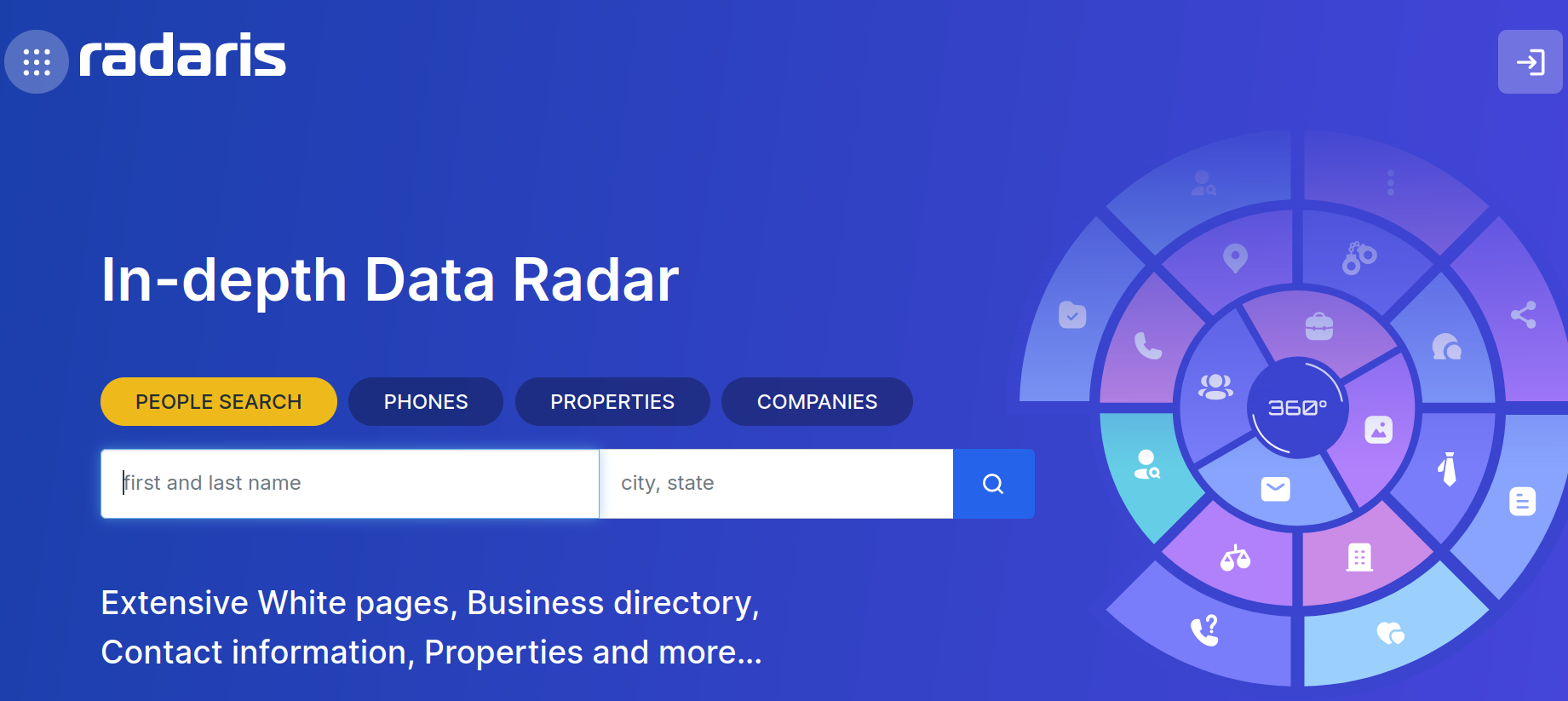
The legal battle also shed light on the shadowy nature of the company’s leadership. Investigations by KrebsOnSecurity identified the primary operators as Igor and Dmitry Lubarsky, Russian-born brothers based in Massachusetts. The company’s attempts to distance itself from the brothers included the creation of a fictitious CEO, "Gary Norden," a pseudonym that Radaris used in press releases and investor communications. The admission by the company’s attorney, Val Gurvits, that the CEO was a fabrication, severely damaged the credibility of the defense and highlighted the opaque business practices governing the data broker sector.
Supporting Data and Financial Networks
The depth of the Radaris operation is revealed in the more than 10,000 internal documents and emails obtained by Atlas during discovery. These records dismantle the narrative that the various domains were independent, unrelated entities. Instead, the evidence suggests a centralized operation where administrative, financial, and technical functions were consolidated. The domains—including Veripages, among others—shared common payment processors, hosting infrastructures, and virtual office addresses.
Financially, these platforms represent a lucrative sector of the digital economy. The documents indicate that Radaris.com generated an estimated $42,000 in monthly revenue, while sister sites like Veripages.com brought in roughly $45,000. These figures are bolstered by strategic partnerships with marketing firms and, ironically, other data-removal services. For instance, the partnership between the Radaris network and Onerep—a company that markets itself as a solution for removing personal data—reveals a circular business model where entities profit from both the publication of sensitive information and the "service" of hiding it.
Official Responses and Legal Maneuvering
The recent court order represents a decisive, if contested, victory for the plaintiffs. Victor Worms, the attorney currently representing the defendants, has argued that the court’s decision to transfer the Radaris.com domain is void because it targets a non-entity. "We have made a motion to vacate that default judgment on the grounds that it is void since a non-entity has no legal capacity to sue or be sued," Worms stated, noting an intent to appeal the ruling on constitutional grounds, specifically citing the forfeiture of property rights.

Conversely, legal experts involved in the case, such as Raj Parikh of PEM Law, view the transfer as a necessary corrective measure. Parikh noted that the decision to pursue the litigation to this extent was driven by the clear and present danger posed to law enforcement officers whose safety is compromised when their home addresses are readily available to bad actors. The decision by the court to involve the domain registry, Verisign, in the transfer process ensures that the judgment has teeth, moving beyond mere financial penalties that the operators might otherwise ignore or settle through offshore entities.
Broader Implications for Data Privacy Legislation
The case against Radaris is just one front in a much larger, national struggle. Currently, approximately 150 data brokers are facing litigation from Atlas regarding Daniel’s Law. The industry has pushed back by attempting to move these cases into federal court, arguing that the New Jersey law constitutes an overly broad infringement on First Amendment rights. This debate is destined for the U.S. Supreme Court, as the judicial system weighs the value of free access to public records against the fundamental right to safety and privacy.
The legislative landscape is equally volatile. While at least 14 states have moved to adopt versions of Daniel’s Law, the effectiveness of these measures remains under fire. In August 2025, a federal district court ruled that West Virginia’s iteration of the law was facially unconstitutional. This creates a patchwork of privacy protections that leaves the average American vulnerable to identity theft and harassment.
Privacy expert Justin Sherman points out that the fundamental flaw in current privacy legislation is the exemption of "public" or "government" records. Because the law does not restrict the aggregation of data that is technically public—such as voter registries, marriage certificates, and motor vehicle records—data brokers have an almost unlimited supply of material to exploit. Without a comprehensive federal privacy framework that addresses the 21st-century reality of automated data scraping, individual states will continue to struggle to keep pace with the industry.
The Recent IDScan.net breach, which exposed the driver’s license data of 153 million Americans, serves as a stark reminder of what is at stake. When vast quantities of personal information are aggregated into easily accessible, point-and-click services, the potential for catastrophic identity theft becomes a systemic threat.
The Future of Data Broker Oversight
The transfer of Radaris.com is a symbolic and functional landmark. It demonstrates that the courts are increasingly willing to look past corporate shells to identify the actual beneficiaries of digital surveillance networks. However, as Sherman notes, relying on litigation to solve a structural privacy crisis is insufficient. The lack of a federal standard means that companies can continue to move their operations across state lines or offshore, perpetually staying one step ahead of regulators.
As the legal appeals process unfolds, the outcome will likely define the parameters of the data broker industry for the next decade. If the Supreme Court upholds statutes like Daniel’s Law, it could empower states to aggressively regulate the flow of personal data. If it strikes them down, the burden will fall entirely on Congress to pass meaningful legislation—a prospect that remains fraught with difficulty due to intense lobbying from the technology sector. For now, the Radaris homepage stands as a quiet, digital monument to the limitations of anonymity, serving as a notice of transfer that forces users to confront the reality of the company’s dissolution. The "island-hopping" phase of the Radaris story may have reached a terminal point, but the broader industry of personal data extraction remains firmly entrenched in the digital landscape.
Related posts: