LG Electronics USA to purge residential proxy software from webOS smart TV platform following security investigation

In a significant policy shift aimed at bolstering consumer privacy and device integrity, LG Electronics USA has announced that it will actively remove and suspend any applications on its webOS platform that incorporate residential proxy software development kits (SDKs). This decisive action follows a damning report released earlier this month by security research firm Spur, which revealed that a substantial portion of the smart TV ecosystem had been surreptitiously transformed into a distributed network for third-party traffic routing.
The emergence of these proxy nodes—which effectively turn a consumer’s home internet connection into a gateway for strangers—has sparked a broader debate regarding the boundaries of device monetization and the adequacy of consent models within the Internet of Things (IoT) landscape.
The Scope of the Proxy Phenomenon
The practice of converting consumer devices into residential proxies is a common, if often misunderstood, monetization strategy for app developers. By integrating a specific SDK, an application creator allows a proxy provider to route global internet traffic through the user’s home IP address. While proponents argue that this enables legitimate business operations such as market research, ad verification, and content localization, the security implications for the average consumer are profound.
According to the July 2026 findings from Spur, the prevalence of these SDKs is staggering. Their analysis indicated that more than 42 percent of applications available on the LG webOS store contained code designed to turn the television into an "always-on" proxy node. The issue is not isolated to a single manufacturer; the research also highlighted that approximately 25 percent of applications on Samsung’s Tizen operating system contained similar residential proxy components.
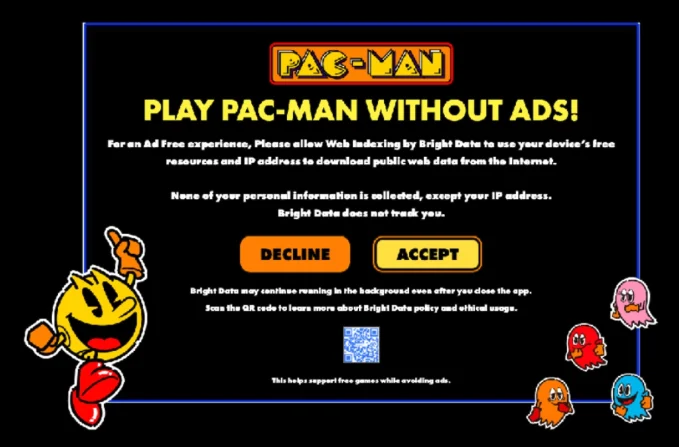
The applications identified in the study spanned a wide variety of utilities, ranging from simple casual games like Pac-Man to screensavers and file management tools. This ubiquity suggests that developers were aggressively seeking supplemental revenue streams by leveraging the idle bandwidth of their user base.
Chronology of the Disclosure and Enforcement
The sequence of events leading to LG’s intervention began with a rigorous technical audit by security researchers.
- Early July 2026: Researchers at Spur published their initial findings regarding the widespread use of proxy SDKs in consumer electronics. This report highlighted how these SDKs often run in the background, consuming bandwidth without the explicit, informed consent of the primary account holder.
- July 2, 2026: The broader security community gained insight into the infrastructure behind these proxies when the FBI seized the domain and assets of NetNut, a major residential proxy platform associated with the "Popa" botnet. This event drew increased scrutiny toward the entire residential proxy market.
- Mid-July 2026: Following the dissemination of the Spur report, LG Electronics initiated an internal review of its application ecosystem.
- Late July 2026: John Taylor, Senior Vice President of LG Electronics USA, confirmed to media outlets that the company had officially categorized residential proxy networking as an "unintended use" of its hardware. LG began notifying developers that they must excise these SDKs from their applications or face immediate suspension from the webOS store.
The Mechanics of Monetization and Consent
The primary provider identified in the Spur research as a dominant player in the smart TV space is Bright Data. The company facilitates a marketplace where organizations pay to route traffic through residential IP addresses, which are often perceived by websites as more "trustworthy" or "human" than those belonging to data centers.
In response to the growing backlash, Bright Data maintains that its operations are strictly governed by consent. In a statement, the company noted that every peer—the end-user—must opt in through a dedicated interface and receive value in exchange for their bandwidth. Furthermore, the company asserts that it subjects its practices to independent audits, such as those performed by PwC, to ensure compliance with privacy standards and ethical data handling.

However, security analysts argue that the "consent" model is fundamentally flawed in the context of household appliances. Unlike a smartphone or a laptop, which are typically used by a single individual, a smart TV is a communal device. A child or a guest user might inadvertently agree to a "Terms of Service" update or an "opt-in" prompt that permanently alters the security posture of the household network.
Security Implications and the Risk of "Local Network Exposure"
The primary risk associated with residential proxy nodes is not merely the consumption of bandwidth, but the potential for malicious exploitation. While proxy providers implement technical countermeasures to prevent their customers from accessing the internal devices of the host network, the risk remains non-zero.
If a vulnerability exists within the proxy SDK itself, or if a malicious actor finds a way to bypass the intended restrictions, they could theoretically gain a foothold within the local area network (LAN). This would grant them access to other connected devices, such as network-attached storage (NAS), smart home hubs, or personal computers, which are typically protected by a firewall. By using the smart TV as a bridge, attackers could bypass these traditional perimeter defenses.
The Broader Ecosystem: A Pattern of Overreach
LG’s move to clean up its app store comes at a sensitive time for the company’s reputation regarding user control. Concurrent with the proxy controversy, the company faced criticism regarding its high-end LCD monitor line. Reports from the technology review channel Gamers Nexus revealed that certain LG monitors were automatically installing software designed to promote McAfee antivirus subscriptions.
The installation occurred via Windows Update, completely bypassing any affirmative user consent or dialogue box. This incident, while distinct from the proxy issue, contributed to a public narrative that LG was prioritizing third-party commercial partnerships over the integrity and autonomy of the user experience.
Industry Implications and Future Outlook
The decision by LG to purge these SDKs sets a significant precedent for the smart TV industry. It signals that manufacturers are becoming increasingly aware of their role as stewards of consumer privacy. As smart TVs become the central hub of the modern living room, the expectation for these devices to function with the same security rigors as a desktop operating system is rising.
The implications for developers are equally clear: the era of "passive monetization" through residential proxy SDKs is likely drawing to a close on major platforms. Developers will need to pivot toward more transparent and direct revenue models—such as subscription services, ad-supported content, or one-time purchases—that do not compromise the network security of their users.
Moving forward, the industry is expected to move toward a more stringent evaluation process for developer-submitted applications. This will likely involve deeper code audits and a requirement for developers to provide clear, granular disclosures about how their apps utilize network resources.
Ultimately, the burden of security cannot rest solely on the consumer. As Spur’s Trevor Sutter noted, a one-time prompt buried in an app is not an adequate substitute for ongoing platform oversight. By taking responsibility for the software allowed on its platform, LG is attempting to regain consumer trust in an age where every connected device is a potential target for exploitation. The success of this initiative will depend on the company’s ability to maintain its enforcement protocols and the willingness of other major manufacturers to follow suit, effectively creating a "security-first" standard for the global smart television market.