The High Cost of the AI Power Grab: Why Tech Giants Are Struggling to Build Natural Gas Infrastructure

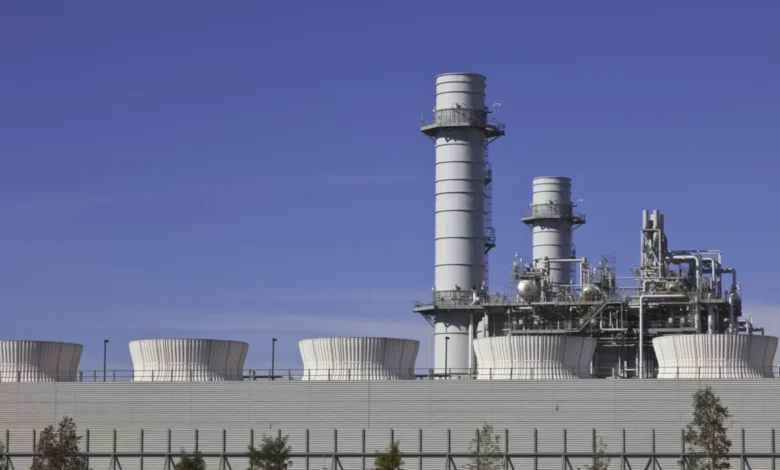
The rapid expansion of artificial intelligence and high-performance computing is placing unprecedented strain on the global energy grid, forcing tech titans like Microsoft and Meta into an aggressive, and increasingly expensive, pursuit of independent power generation. While these corporations once relied on grid-connected renewable energy through power purchase agreements (PPAs), the sheer magnitude of electricity required for massive data center clusters has driven them toward a new dependency: fossil-fuel-fired natural gas plants. However, this strategy is encountering significant economic headwinds. A recent report from BloombergNEF indicates that the capital expenditure required to construct a new combined cycle gas turbine (CCGT) facility has surged by 66% over the past two years, signaling a potential crisis for the tech sector’s infrastructure ambitions.
The Economic Reality of the Data Center Power Rush
For years, the technology sector enjoyed the stability of predictable energy costs and the relative ease of integrating wind and solar projects. That paradigm has shifted as the power requirements of generative AI models have grown exponentially. As of 2026, the cost to build a new CCGT power plant has climbed from less than $1,500 per kilowatt of generating capacity in 2023 to an average of $2,157 per kilowatt. This spike in construction costs is compounded by significant delays in project timelines; on average, bringing a new facility online now takes 23% longer than it did just a few years ago.
The irony of this pivot lies in the current state of the natural gas market. Despite global geopolitical volatility—including the ongoing conflict in Iran—domestic natural gas prices in the United States remain relatively low. While the fuel itself is affordable, the infrastructure required to harness it for baseload power is becoming prohibitively expensive to build. The market for the essential components of these plants, particularly gas turbines, has tightened significantly. With demand far outstripping manufacturing capacity, prices for these turbines—which can account for nearly a third of total plant costs—are projected to be 195% higher by the end of 2026 compared to 2019 levels.
A Chronology of Escalating Demand
The current situation is the result of a multi-year surge in demand that began in earnest around 2023. As tech companies moved from experimental AI models to large-scale, energy-hungry data center deployments, the limitations of the existing electrical grid became apparent.
- 2023: Tech giants begin to realize that existing renewable energy PPAs are insufficient to meet the 24/7 power requirements of AI training clusters, which demand high-availability, high-capacity baseload power.
- 2024: Utilities begin sounding the alarm on grid capacity, noting that the requested load growth from tech companies exceeds the planned generation capacity for entire regions.
- 2025: Data center demand forecasts are revised upward, with projections indicating that the sector will require 106 gigawatts of power by 2035, up from 40 gigawatts today.
- 2026: Supply chain bottlenecks for critical energy infrastructure emerge, leading to the massive cost overruns identified by BloombergNEF.
This trajectory suggests that the "build it yourself" approach advocated by the Trump administration—which encouraged data center operators to source their own power to avoid destabilizing the public grid—is becoming a logistical and financial liability for the tech companies themselves.
The Scale of the Infrastructure Challenge
To understand why tech companies are struggling, one must look at the physical size of the facilities being proposed. Historically, a data center requiring 20 to 30 megawatts was considered significant. Today, that scale is being dwarfed. Currently, only about 10% of global facilities meet the 50-megawatt threshold. Within the next decade, industry analysts expect the average data center to exceed 100 megawatts, with some hyperscale facilities pushing into the gigawatt range.
This concentration of power demand creates a "bottleneck effect." Because the manufacturing process for high-efficiency gas turbines is specialized and cannot be easily scaled to meet sudden spikes in global demand, the lead times for new equipment have stretched into the early 2030s. Companies are essentially forced to pay a premium for priority in the manufacturing queue or face multi-year delays that threaten their AI product roadmaps.

Public Backlash and the Utility Problem
The infrastructure scramble has not gone unnoticed by the public. As utilities are pressured to prioritize data center connections, they often pass the costs of grid upgrades and new generation capacity onto residential and commercial ratepayers. This has triggered a wave of "not in my backyard" (NIMBY) sentiment and formal regulatory challenges across the United States.
In several jurisdictions, public utility commissions are facing mounting pressure to deny or delay new data center permits until companies can prove that their operations will not jeopardize grid reliability or increase costs for the average consumer. This public animus is a major departure from the previous decade, where data centers were largely welcomed as drivers of local tax revenue and high-tech job creation. The current narrative, however, casts these facilities as energy-guzzlers that compete with the average citizen for access to affordable, stable electricity.
The Search for Alternatives: The Google Pivot
Not every tech leader is convinced that a total reliance on natural gas is the answer. Google, in particular, has begun to publicly distance itself from the "gas-at-all-costs" model. By investing in long-duration energy storage (LDES) and advanced renewable integration, the company is attempting to prove that it is possible to achieve 24/7 carbon-free energy without the volatility of the gas turbine market.
Google’s strategy focuses on pairing solar and wind generation with iron-air battery technology, such as the systems developed by Form Energy. These batteries can discharge electricity over a period of 100 hours, potentially bridging the gap during the intermittency periods that once necessitated natural gas backup. Unlike gas turbines, which are subject to inflationary pressures and supply chain crises, the costs of solar photovoltaic (PV) modules and battery storage continue to decline.
Broader Implications for the Tech Sector
The implications of this energy crisis extend far beyond the balance sheets of Microsoft or Meta. If the cost of building power infrastructure remains elevated, the "cost of compute" will inevitably rise. This could slow the deployment of AI services, force companies to optimize their software for better energy efficiency, or lead to a geographic shift in where data centers are built—moving them toward regions with existing, underutilized generation capacity, such as areas with surplus hydroelectric power or nuclear infrastructure.
Furthermore, the scramble for natural gas risks trapping tech companies into long-term carbon commitments that conflict with their corporate sustainability goals. By investing billions into fossil fuel plants that are designed to operate for 20 to 30 years, these firms are locking in carbon-intensive operations at a time when shareholders and regulators are increasingly demanding decarbonization.
The path forward appears to be a bifurcated one. While some firms continue to double down on the immediate, albeit expensive, solution of natural gas, others are betting on technological innovation in energy storage and grid management to bypass the limitations of current generation assets. For now, however, the data center industry remains in a precarious position, caught between the insatiable demand for AI compute and the physical reality of a power grid that is currently unable to keep pace without massive, costly, and contentious intervention. The coming years will likely determine whether the AI revolution can decouple its growth from the traditional, carbon-heavy infrastructure that currently underpins its existence.