Global Shipping Paradigms Shift as Ports of Los Angeles and Long Beach Report Record Volumes Amidst Persistent Uncertainty

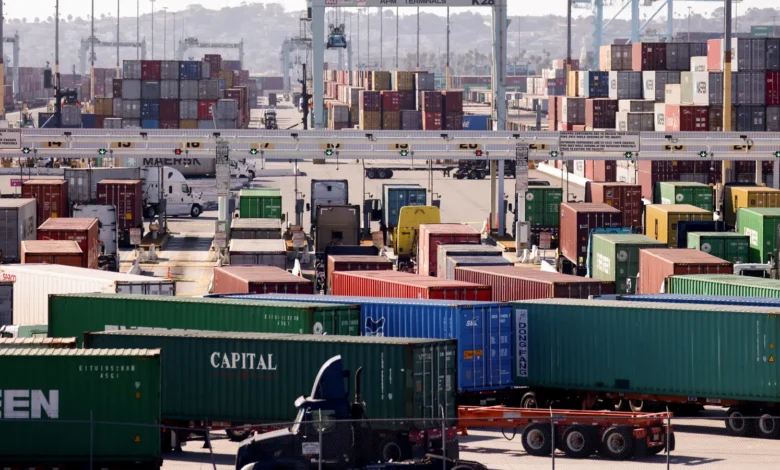
The traditional rhythms governing global ocean shipping, long dictated by predictable seasonal demand, are undergoing a fundamental transformation. Gene Seroka, Executive Director of the Port of Los Angeles, highlighted this significant shift during a July 15 media briefing, noting that companies are no longer passively awaiting "perfect conditions" but are instead strategically moving cargo whenever a favorable opening presents itself. This proactive approach underscores a broader adaptation within the retail and manufacturing sectors, balancing the imperative to meet back-to-school and holiday demands against a complex backdrop of evolving tariffs, escalating fuel costs, and pervasive global uncertainty. The implications of this paradigm shift are far-reaching, reshaping logistics strategies, port operations, and ultimately, the dynamics of international trade.
A New Era of Agile Logistics and Early Peak Seasons
The move away from conventional seasonal patterns is a direct response to a tumultuous period in global supply chains, marked by the lingering effects of the COVID-19 pandemic, geopolitical tensions, and economic volatility. Historically, shippers could reliably forecast peak seasons, with major surges in cargo traffic typically occurring in late summer and fall in anticipation of the holiday shopping season. However, recent years have seen these patterns disrupted, giving way to an "early peak season" phenomenon. Retailers and manufacturers have increasingly frontloaded cargo, bringing shipments forward to hedge against potential disruptions, whether they be port congestion, labor disputes, or policy changes.
This strategic frontloading has translated into exceptionally strong volumes for major North American gateways. The Port of Los Angeles, the busiest container port in the Western Hemisphere, has been a primary beneficiary of this trend. Seroka’s remarks confirm what industry analysts have observed throughout the year: a sustained drive by businesses to build inventories and ensure product availability, rather than risking stockouts due to unforeseen supply chain interruptions. This shift signifies a pivot from a just-in-time inventory model to a more resilient, just-in-case approach, prioritizing certainty of supply over minimized holding costs.
Record-Breaking Performance at Southern California Gateways
The data from June 2026 provides compelling evidence of this accelerated shipping activity. The Port of Los Angeles processed an astounding 1,002,734 Twenty-Foot Equivalent Units (TEUs) during the month, marking its best June in the port’s 118-year history. This monumental achievement represents a 12% increase year-over-year, showcasing the extraordinary pressure and capacity utilization at one of the world’s most critical maritime hubs.
A deeper dive into the Port of Los Angeles’ June figures reveals key insights into current trade dynamics:
- Total Processed TEUs: 1,002,734, up 12% year-over-year (YoY). This aggregate figure highlights the sheer volume of goods moving through the port.
- Loaded Imports: 530,558 TEUs, a robust 13% increase YoY. The surge in imports underscores the continued strength of consumer demand, as well as the strategic inventory building by retailers ahead of anticipated demand spikes and potential supply chain hiccups. This influx of goods is critical for replenishing shelves and fulfilling e-commerce orders across the United States.
- Loaded Exports: 126,365 TEUs, remaining flat YoY. The stagnation in export volumes continues to be a point of concern, reflecting ongoing trade imbalances and potential challenges for U.S. producers in accessing international markets. A lack of growth in exports can also lead to an abundance of empty containers, a logistical challenge in itself.
- Empty Container Units: 345,811 TEUs, an increase of 17% YoY. The significant rise in empty containers is often a consequence of high import volumes and stagnant exports. While necessary for repositioning to meet future demand for loaded exports, a large number of empties can also indicate a structural imbalance in trade, creating operational complexities and additional costs for carriers and ports.
Mirroring the success of its neighbor, the Port of Long Beach also reported substantial growth in June. Processing nearly 780,000 TEUs, the port experienced a 10.6% increase year-over-year. Its import figures were particularly strong, with loaded imports rising 11% year-over-year to 387,025 TEUs. The combined performance of the San Pedro Bay port complex – encompassing both Los Angeles and Long Beach – solidifies its position as the premier gateway for trans-Pacific trade, collectively handling a significant portion of all containerized cargo entering the United States. These figures are not merely statistical achievements; they represent billions of dollars in economic activity, millions of jobs supported, and the flow of goods that underpin the U.S. economy.
Looking ahead, the momentum appears set to continue into July. Seroka indicated that cargo volumes at the Port of Los Angeles are forecast to exceed 900,000 TEUs, suggesting that the heightened shipping activity is not a one-off event but a sustained trend driven by ongoing strategic decisions by shippers.
Navigating a Murky Horizon: Challenges Beyond July
Despite the impressive performance, the outlook beyond July becomes "a little harder to read," as Seroka aptly put it. This increased uncertainty is primarily attributed to a confluence of factors, including critical trade policy decisions, persistent geopolitical instability, and volatile energy markets.
Trade Policy and Section 122 Tariffs: A significant source of apprehension revolves around the fate of Section 122 tariffs, which are slated to expire on July 24. These tariffs, imposed under specific trade legislation, have been a contentious point for businesses, influencing sourcing decisions and pricing strategies. The uncertainty surrounding their potential renewal, modification, or complete expiration creates a challenging environment for long-term planning. Retailers and manufacturers, having already frontloaded cargo to mitigate risks associated with these tariffs, are now grappling with the possibility of sudden changes that could alter the cost structure of their imported goods. A sudden re-imposition or alteration of tariffs could necessitate rapid adjustments in supply chain strategies, potentially leading to further shifts in shipping patterns and increased costs. Industry advocacy groups have consistently called for greater clarity and predictability in trade policy to enable businesses to plan effectively.
Geopolitical Instability and Its Economic Ripples: The ongoing Iran war continues to exert a profound and escalating impact on global transportation costs. Conflicts in critical maritime regions, such as the Strait of Hormuz, introduce significant risks to shipping routes, leading to increased insurance premiums, longer transit times due to re-routing, and heightened security measures. These factors directly contribute to higher operational expenses for ocean carriers, which are inevitably passed down to shippers and, ultimately, to consumers. The ripple effects of such conflicts extend beyond immediate shipping costs, creating a pervasive sense of unpredictability that permeates all aspects of international trade.
The Burden of Fuel Costs: Compounding these challenges are the stubbornly high and volatile fuel prices. Seroka emphasized that fuel now represents upwards of 30% of a vessel’s total voyage cost, a staggering proportion that directly impacts freight rates. Ocean carriers typically implement fuel surcharges (Bunker Adjustment Factors or BAFs) to offset these fluctuating costs. However, these surcharges are not always immediately responsive to market changes. As Seroka noted, "when prices go down, usually that surcharge remains elevated, and it lags for some time before it gets back to a price point that’s a little more reflective of what we see today in a snapshot in time." This lag effect means shippers can continue to pay elevated fuel surcharges even if crude oil prices have temporarily dipped, adding another layer of cost and unpredictability to their logistics budgets. For businesses operating on thin margins, these sustained high fuel surcharges can significantly erode profitability and force difficult decisions regarding pricing and supply chain optimization.
Strategic Adaptations and Future Preparedness
In response to this complex and rapidly evolving environment, ports like Los Angeles are adopting increasingly sophisticated strategies for preparedness and adaptability. Seroka detailed that the port’s operations teams, encompassing both import and export functions, are continuously running simulation exercises. These simulations model various "what-if" scenarios, such as the imposition of new tariffs, further spikes in fuel prices, unexpected port closures, or labor disruptions. Following these exercises, teams reconvene to analyze potential impacts and determine agile strategies to handle any new developments. This proactive approach, leveraging data analytics and scenario planning, is crucial for maintaining operational fluidity and minimizing disruptions in a world where volatility has become the new norm.
Moreover, the port is enhancing its technological infrastructure to provide better visibility and data sharing across the supply chain. This includes investments in digital platforms that allow shippers, carriers, and logistics providers to access real-time information on cargo movements, vessel schedules, and port conditions. Improved transparency is vital for making informed decisions quickly, especially when conditions change unexpectedly.
The retail community’s decision to advance shipments and inventories, as Seroka pointed out, is a clear testament to the profound uncertainty surrounding post-July trade conditions, particularly regarding Section 122 tariffs. This strategic move, while increasing immediate port volumes, also presents challenges for retailers in terms of warehousing costs, inventory management, and the risk of holding obsolete stock. However, in an environment where supply chain reliability is paramount, many businesses are willing to absorb these costs to ensure product availability and avoid potential stockouts that could damage customer loyalty and market share.
Broader Implications and the Future of Global Trade
The ongoing transformation in shipping patterns and the challenges faced by ports like Los Angeles and Long Beach have far-reaching implications for the global economy.
For Retailers and Manufacturers: The shift towards agile shipping and frontloading necessitates more sophisticated inventory management systems and stronger relationships with logistics partners. Businesses must invest in better forecasting tools, diversified sourcing strategies, and potentially even localized manufacturing to mitigate risks. The cost of maintaining higher inventory levels will become a significant factor in financial planning, potentially impacting consumer prices.
For Logistics Providers and Carriers: The demand for flexibility and rapid response will continue to grow. Carriers will need to optimize vessel deployment, route planning, and capacity management in real-time. The role of third-party logistics (3PL) providers, offering integrated services and expertise in navigating complex supply chains, will become even more critical.
For Ports and Infrastructure: Ports must continue to invest in modernizing their infrastructure, enhancing automation, and improving operational efficiencies to handle surges in cargo volumes and maintain fluidity. The ability to quickly adapt to changing vessel schedules and cargo profiles will be a competitive advantage. Furthermore, collaboration between ports, labor, and rail/trucking partners will be essential to ensure seamless cargo flow.
For Global Trade Policy: The volatility underscores the need for greater international cooperation and more predictable trade policies. Sudden tariff changes or geopolitical escalations create unnecessary friction and cost, hindering economic growth and stability. Calls for multilateral trade agreements and de-escalation of conflicts will likely intensify from the business community.
In conclusion, the current landscape of global ocean shipping is characterized by an unprecedented level of dynamism and uncertainty. While the Ports of Los Angeles and Long Beach are demonstrating remarkable resilience and record-breaking performance in the short term, the underlying forces driving these changes – from trade policy ambiguities and geopolitical conflicts to volatile fuel markets – point to a future where adaptability, strategic foresight, and robust risk management will be paramount for all stakeholders in the international supply chain. The days of predictable seasonal flows may well be a relic of the past, replaced by a new era of responsive, on-demand logistics driven by continuous adaptation to a rapidly changing world.