A.P. Moller-Maersk has begun managing the North American distribution network for consumer brand manufacturer Puma.

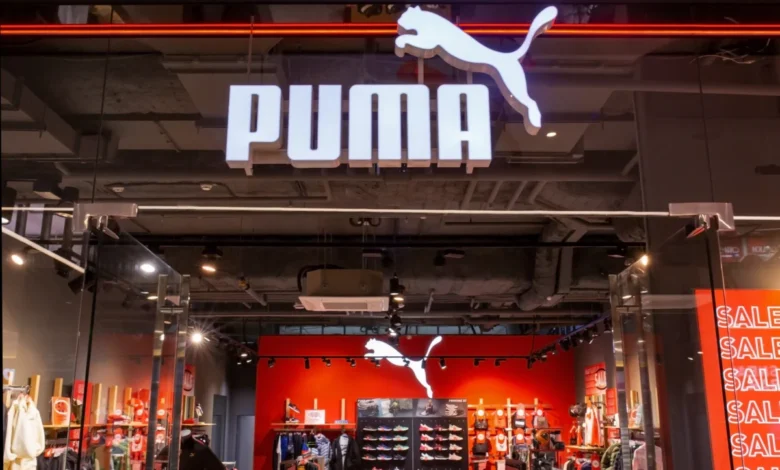
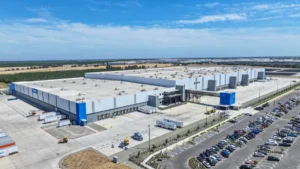
This strategic pivot marks a significant evolution in the long-standing relationship between the global logistics giant and the sportswear powerhouse. Moving beyond the traditional scope of ocean freight and maritime transport, the partnership now encompasses the end-to-end management of more than 2 million square feet of Puma’s specialized distribution infrastructure. By assuming control of high-tech facilities across Arizona, California, and Indiana, Maersk is signaling a transition toward a more integrated, "omnichannel" service model designed to navigate the volatility of the modern retail landscape.
A Strategic Shift in Supply Chain Management
The collaboration centers on the optimization of Puma’s existing automated distribution assets. As retail demand becomes increasingly fragmented—split between direct-to-consumer (DTC) ecommerce orders, traditional retail store replenishment, and wholesale distribution—brands are finding that legacy supply chain models are no longer sufficient.
For Puma, which currently holds the 65th position in the Europe Database of leading online retailers, the challenge lies in balancing speed with efficiency. By leveraging Maersk’s logistical expertise, Puma aims to convert its heavy investment in warehouse automation into a competitive advantage. This partnership allows Puma to shift its focus back to core competencies—product innovation and brand marketing—while outsourcing the complexities of inventory management, order fulfillment, and last-mile coordination to a dedicated partner.
Chronology and Operational Integration
The current phase of the partnership is the result of a multi-year effort to synchronize global logistics with domestic fulfillment. Historically, Puma and Maersk operated on a vendor-client basis focused primarily on ocean shipping. Over the past several years, however, both companies began exploring ways to deepen their integration.
- Phase One (Foundation): The companies established a robust maritime freight agreement, ensuring reliable transit from Puma’s manufacturing hubs, largely in Asia, to North American ports.
- Phase Two (Expansion): Recognizing the bottleneck at the warehouse level, the parties began integrating Maersk’s digital logistics platforms with Puma’s domestic distribution centers.
- Phase Three (Operational Control): The current stage involves Maersk taking full management of operations within the Arizona, California, and Indiana facilities. This involves not just staffing and oversight, but the deployment of sophisticated software to manage the AutoStore robotics systems.
- Future Roadmap: By 2027, Maersk intends to transform the Torrance, California facility into a multi-client site, offering similar automated fulfillment capabilities to other brands. This signifies a shift toward a shared-economy model for high-tech warehouse space.
The Role of Automation: AutoStore Technology
Central to this operational overhaul is the implementation of AutoStore, an automated storage and retrieval system (AS/RS). In the context of modern warehousing, space is at a premium. AutoStore utilizes a compact, grid-based architecture where robotic units maneuver atop a storage bin array.
These robots are programmed to retrieve specific inventory units and deliver them to human-operated workstations. This "goods-to-person" methodology drastically reduces the time associates spend walking through aisles, which traditionally accounts for a significant portion of labor costs and fulfillment time. By minimizing manual movement, the system optimizes vertical space usage, allowing Puma to store a higher density of inventory within the same physical footprint.
Furthermore, the system is inherently scalable. As demand peaks during holiday seasons or promotional events, the software can recalibrate the throughput of the robots to prevent bottlenecks, ensuring that store replenishment and individual online orders are handled with equal priority.
Official Perspectives and Market Implications
Helmut Leibbrandt, Senior Vice President of Supply Chain Management and Logistics for the Americas at Puma, underscored the necessity of this shift in a recent statement. According to Leibbrandt, the company’s objective is to build an "agile and efficient" supply chain that can respond to shifting consumer behaviors in real-time. He noted that the value of the partnership is derived from the synthesis of Puma’s physical assets with Maersk’s operational technology.
Dave Hune, North America Head of Maersk Contract Logistics, framed the partnership as a blueprint for the future of the logistics industry. Hune noted that many companies are currently sitting on expensive, underutilized infrastructure. Maersk’s value proposition, he suggested, is the ability to walk into an existing facility, optimize the workflow through data-driven insights, and integrate that facility into a broader, global network of transportation hubs.
Data-Driven Logistics at Scale
The scale of Maersk’s footprint provides a significant advantage for a brand like Puma. Maersk currently manages more than 70 fulfillment facilities across North America, totaling approximately 22.5 million square feet. Globally, its reach extends to over 500 warehouses and more than 100 million square feet of space.
This massive scale allows for a level of data visibility that smaller, fragmented logistics providers cannot match. By centralizing operations under the Maersk umbrella, Puma gains access to superior asset control. Every movement of inventory—from the moment it leaves a factory in Asia to the moment it arrives at a doorstep in Ohio or a retail shelf in New York—can be tracked via a single, integrated digital interface. This visibility is critical for reducing "safety stock" levels, thereby lowering holding costs and minimizing the risk of inventory obsolescence.
Broader Implications for the Retail Sector
The Puma-Maersk partnership serves as a bellwether for the broader logistics industry. As ecommerce continues to stabilize after the volatility of the pandemic era, retailers are under immense pressure to reduce operational overhead without sacrificing delivery speed.
Analysts point to several key implications of this trend:
- The "Logistics-as-a-Service" (LaaS) Model: Brands are moving away from owning and managing their own warehouses. Instead, they are opting for flexible, scalable fulfillment models where they pay for the capacity they use, rather than carrying the fixed costs of warehouse real estate and specialized labor.
- The Convergence of Ocean and Land: The traditional divide between ocean freight and warehousing is disappearing. By controlling the entire journey, firms like Maersk can offer more reliable lead times, as they have direct control over the handoff between port operations and inland distribution.
- The Multi-Client Facility Trend: The planned transition of the Torrance facility to a multi-client hub by 2027 reflects a maturing market. Companies are increasingly comfortable sharing logistics infrastructure with competitors, provided the technology and security protocols remain robust. This collaborative approach lowers the barrier to entry for brands seeking high-end automation that would be prohibitively expensive to build from scratch.
Conclusion: A New Standard for Supply Chains
The partnership between Puma and A.P. Moller-Maersk is a definitive response to the complexities of the modern global market. By merging high-density robotic automation with a comprehensive, tech-enabled logistics network, the two companies have created a system that is as resilient as it is efficient.
As Puma continues to expand its reach within the North American market, the ability to pivot inventory quickly—moving products to where demand is highest, whether that is a boutique retail outlet or a massive ecommerce fulfillment center—will be the deciding factor in its long-term profitability. For Maersk, the success of this initiative reinforces its strategy of becoming an integrated container logistics company, proving that its value lies not just in moving goods across the ocean, but in the intelligent management of the entire global supply chain.
As the industry watches, the success of this collaboration may well set a new industry standard for how global manufacturers manage their North American distribution, favoring agility, data-driven decision-making, and the strategic outsourcing of fulfillment complexities.