Netflix Series Adaptation of Etienne Chatilliez’s Cult Classic Life Is A Long Quiet River Begins Production in Southwest France

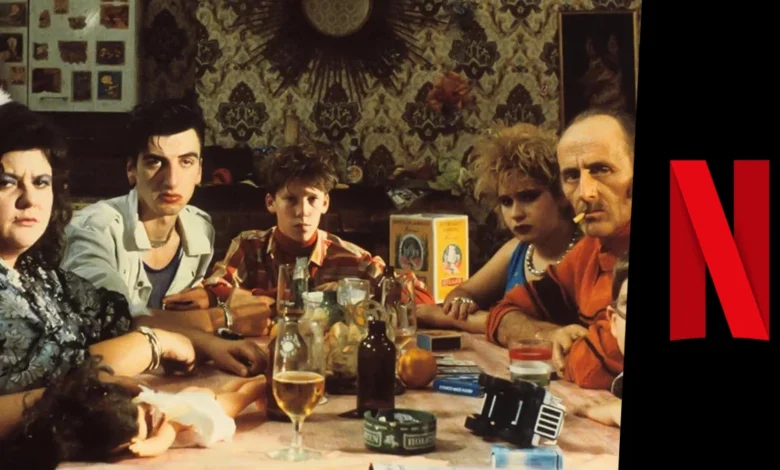
Principal photography has officially commenced in Southwest France for a major new television adaptation of Etienne Chatilliez’s 1988 cinematic milestone, Life Is A Long Quiet River (La Vie Est Un Long Fleuve Tranquille). This ambitious six-episode series brings one of French cinema’s most enduring social satires into the modern streaming era, shifting the narrative framework into an episodic format while preserving the sharp, class-conscious humor that defined the original motion picture. Set against the scenic backdrop of the Atlantic coast between Bordeaux and Arcachon, the production has already generated substantial local interest, highlighted by extensive casting calls for hundreds of background extras throughout the summer months.
The translation of this iconic cinematic property into a serialized format underscores a strategic pivot for major streaming platforms operating in Europe. By breathing new life into established intellectual properties with deep cultural footprints, studios aim to bridge generational viewing habits, attracting nostalgic older audiences while introducing classic satirical paradigms to contemporary demographics. As production gets underway with a schedule extending through late 2026, industry analysts are closely watching how this high-profile project will balance reverence for a national treasure with the narrative demands of a modern television serial.
Background Context and Cultural Legacy of the 1988 Original
To understand the weight of Netflix’s current adaptation, one must examine the monumental cultural footprint left by Etienne Chatilliez’s original 1988 feature film. During the late 1980s and 1990s, French box offices were heavily influenced by a distinctive brand of caustic, observational comedy that targeted the rigid social stratification of bourgeois and working-class families. Chatilliez emerged as a leading voice in this movement, utilizing razor-sharp wit to dissect hypocrisy, institutional rigidity, and socioeconomic divides.
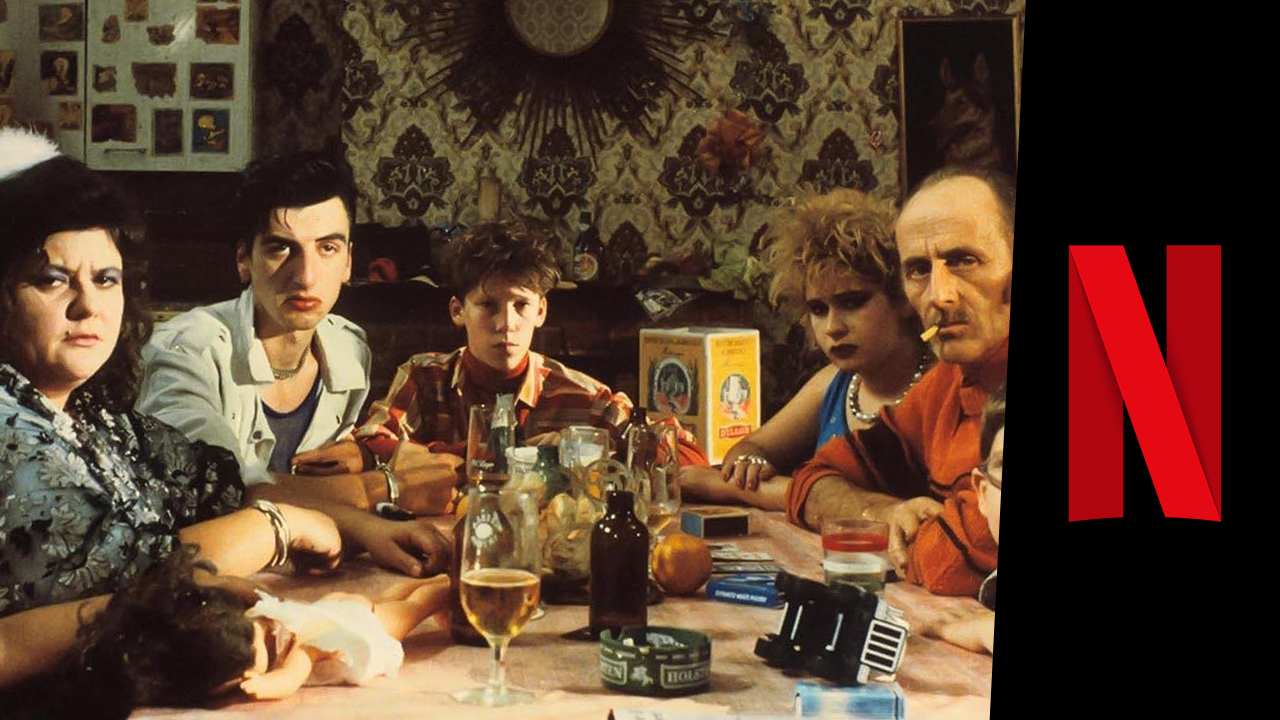
Life Is A Long Quiet River proved to be a watershed moment in French cinematic history, drawing an astonishing four million spectators to theaters upon its release. The film famously centered on the chaotic consequences of a malicious nurse who swapped two babies—one born to the wealthy, ultra-Catholic Le Quesnoy family, and the other to the impoverished, left-wing Groseille family—at birth. Beyond its box-office success, the film became a cultural touchstone and launched the career of actor Benoît Magimel, who made his professional debut in the movie at just twelve years old. The picture went on to capture multiple César Awards, cementing its status as an undisputed pillar of modern French comedy. Adapting such a revered property requires a delicate balancing act, as modern creators must navigate the delicate terrain of updating socioeconomic satire for a hyper-connected, twenty-first-century audience while retaining the DNA that made the original a classic.
Narrative Evolution and Premise of the Netflix Adaptation
While the core premise of swapped infants remains intact, the Netflix adaptation introduces significant narrative wrinkles designed to maximize tension across a six-episode arc. Rather than focusing merely on the immediate chaos of the discovery, the streaming series introduces a modern legal and psychological concept: the "trial family" mandate.
According to official loglines released by production teams, the story is set in Arcachon, where the polar-opposite Le Quesnoy and Groseille families discover that their children were switched at birth fourteen years prior. The narrative stakes are immediately heightened because the families are already intimately acquainted—and mutually hostile. The patriarch of the bourgeois Le Quesnoy family serves as the director of a major regional superstore, while the Groseille patriarch works beneath him as a forklift operator and a vocal, proud local union representative.
Unable to reach an amicable custody agreement regarding the teenagers, Côme and Jordy, a judge intervenes, ordering a mandatory four-month alternate custody trial. Each household is forced into close proximity with their ideological and economic opposites, transforming domestic life into a high-stakes arena for the ongoing class struggle. This expanded timeline and forced habitation framework allow the writers to explore contemporary themes of wealth inequality, labor relations, and cultural snobbery with greater nuance than a standard ninety-minute feature film could accommodate.
Production Timeline and Creative Team
The journey from concept to camera has been meticulously orchestrated by a seasoned roster of French creative talent. The project first drew public attention in August, when prominent comedian Alban Ivanov revealed during an interview with Paris Match that he was preparing to headline a major new television venture. Subsequent confirmations from trade publications and network announcements solidified the creative framework of the series.
The writing duties have been entrusted to Estelle Koenig and Julien Teisseire, both known for their work on the comedy series Shafted. They are joined in the writers’ room by co-writers Augustin Amri and Alpha Diallo, ensuring a collaborative approach to modernizing Chatilliez’s foundational concepts. Directorial responsibilities fall to Clovis Cornillac, a celebrated figure in French cinema both in front of and behind the camera. Globally recognized for his portrayal of Asterix in Asterix At The Olympic Games (2006) and locally acclaimed for his directorial work and box-office hits like Artus’s A Little Something Extra (2024), Cornillac brings a deep understanding of mainstream comedic timing and visual pacing to the production.
Principal photography commenced this week in the Southwest of France, utilizing locations spanning from Bordeaux to Arcachon. Casting notices distributed over the summer months indicated that production operations are scheduled to run continuously through December 2026, pointing to a remarkably thorough and deliberate shooting schedule for a six-episode streaming order.
Star-Studded Cast and Character Dynamics
The series boasts an ensemble cast that blends high-profile cinematic stars with acclaimed television actors, positioning the project as a major event in French television.
Alban Ivanov steps into the formidable shoes of the patriarch, taking on the role of Father Groseille. Ivanov, a fixture in contemporary French comedies whose international streaming profile includes a supporting role in French Lover, brings a grounded, populist comedic energy to the working-class household. Opposite him as Madame Groseille is Ludivine Sagnier, widely considered one of France’s most internationally versatile actresses. Sagnier, whose extensive career spans award-nominated art-house collaborations with François Ozon (Water Drops On Burning Roofs), prestigious international television ventures (The Young Pope, The New Pope), and global Netflix hits like Lupin, provides immense prestige and cross-border appeal to the series.
The opposing bourgeois household, the Le Quesnoys, will be brought to life by Doria Tillier and Xavier Lacaille. Tillier, acclaimed for her sharp, alternative comedic sensibilities and her work on Canal+’s Iris, is well-equipped to navigate the haughty contradictions of upper-middle-class piety. Lacaille rounds out the core quartet, having previously won critical acclaim for his star turn as an overwhelmed political assistant in the long-running European Union satire Parlement, which concluded its run in 2025. This eclectic blend of performers ensures that the ideological clashes between the families will be anchored by sharp, character-driven performances.
Strategic Implications and Broader Industry Impact
The greenlighting and production of the Life Is A Long Quiet River series adaptation signals a subtle yet significant evolution in Netflix’s localized content strategy within France. Historically, the platform’s French division has heavily prioritized entirely original concepts, feature films, and distinct cinematic releases over direct television remakes of classic intellectual properties. Prominent concurrent projects, such as superstar Dany Boon’s upcoming series Johnny Biloute, typically lean into fresh, untried narrative universes.
Choosing to adapt a culturally sacred text like Chatilliez’s 1988 film represents a calculated risk. On one hand, it guarantees immediate domestic recognition and capitalizes on generational nostalgia. On the other hand, it invites intense scrutiny from purists who hold the original cinematic masterpiece in high regard. By injecting contemporary legal frameworks—such as mandatory trial custody—and shifting the geographical and socio-political dynamics, the creative team is actively attempting to insulate the project from accusations of being a mere carbon copy.
From a financial and logistical standpoint, the extended production timeline running deep into late 2026 suggests that Netflix is investing heavily in the physical production values of the series, ensuring it can compete on an international stage. While no official release date has been promulgated by the streaming giant, industry analysts project a global premiere window in early 2028. As production ramps up along the Atlantic coast, the ultimate success of the venture will depend on its ability to transcend localized French satire and resonate with global audiences through universally recognizable themes of family, identity, and the timeless absurdity of class division.