PNOĒ 2.0 Launches Self-Administered Metabolic Testing Mask to Bring Elite Health Analytics to Everyday Fitness Centers

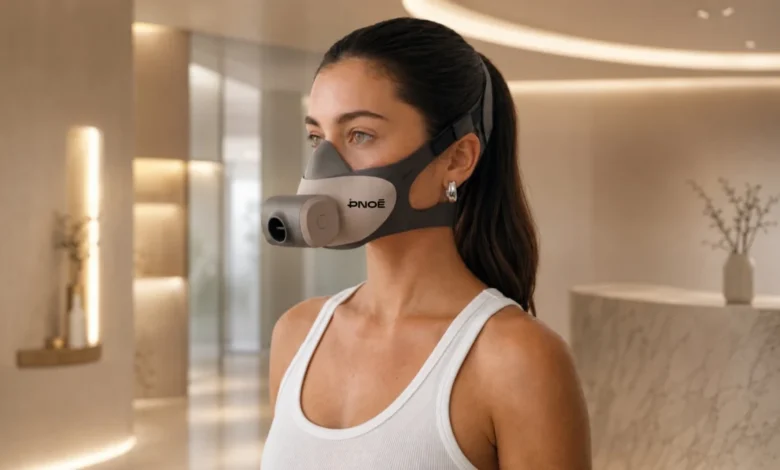
At first glance, the newest diagnostic hardware from health-tech firm PNOĒ resembles the sci-fi apparel of a comic-book villain. Featuring a snug mask that covers the nose and mouth before strapping securely around the back of the head, the device bears an unmistakable visual resemblance to the gear worn by Bane, the hulking nemesis of Batman. However, despite its intimidating aesthetic, the underlying purpose of the hardware is entirely benign. The device functions by measuring the precise volume of oxygen a user consumes and carbon dioxide they exhale, translating that respiratory data into actionable insights regarding diet, physical training regimens, and overall healthspan optimization.
Headquartered in Malden, Massachusetts, with significant operational facilities in Athens, Greece, PNOĒ is preparing for the official global launch of its flagship PNOĒ 2.0 system. The most substantial departure from the company’s legacy equipment is the introduction of a fully self-administered testing protocol. According to co-founder and chief executive officer Apostolos Atsalakis, the new design allows any gym-goer to independently execute a medical-grade metabolic assessment. A user simply enters a partner facility, puts on the mask, pushes a button, sits down, and breathes naturally for eight minutes. Atsalakis noted that the streamlined user experience eliminates traditional operational barriers, making metabolic testing as routine as checking one’s weight.
Shifting from Lab-Only Diagnostics to Consumer Accessibility
This shift in administration methodology addresses a critical operational bottleneck. Previous iterations of the PNOĒ technology required a certified, specially trained operator to supervise and calibrate the test, strictly limiting where the equipment could be deployed. By transitioning to a self-service model, the company aims to open lucrative distribution channels in unstaffed fitness centers, corporate wellness hubs, and retail pharmacies.
The physiological science underpinning the PNOĒ hardware is rooted in established metabolic testing methodologies that have existed for more than a century. By analyzing the gaseous composition of exhaled human breath, researchers can accurately gauge how cellular machinery converts macronutrients into usable energy. For decades, this process has served as the clinical gold standard for measuring VO₂ max—the maximal rate of oxygen consumption achievable during exhaustive physical exertion—which remains one of the most reliable metrics for determining cardiorespiratory fitness.
Historically, however, these evaluations demanded bulky, highly expensive laboratory carts housed exclusively within university sports science departments, elite training facilities, and specialized hospital clinics. Consequently, comprehensive metabolic tracking was largely restricted to professional athletes, high-performance sports teams, and executive health programs. Over the past decade, PNOĒ has sought to democratize this technology, packaging laboratory-grade accuracy into a portable, commercially viable hardware ecosystem paired with proprietary analytical software.
Comprehensive Biomarkers and the Longevity Boom
The PNOĒ 2.0 hardware captures a total of 23 distinct physiological biomarkers during a standard session. Beyond quantifying VO₂ max, the software evaluates resting metabolic rate—the exact number of calories an individual burns while at complete rest—and metabolic flexibility, which measures the body’s efficiency in switching between lipid and carbohydrate oxidation for fuel. Atsalakis emphasizes that these metabolic metrics provide deep functional insights that standard routine blood panels simply cannot uncover, such as precise daily caloric expenditure baselines and targeted cardiovascular training zones.
The commercial timing of this launch coincides with a broader cultural and economic surge in the longevity sector. Cardiorespiratory fitness, anchored by VO₂ max scores, has emerged as a primary focus among health optimization enthusiasts, driven by accumulating clinical research linking higher aerobic capacity directly to reduced all-cause mortality. Atsalakis frequently refers to VO₂ max as the single strongest predictor of human healthspan, positioning his company’s diagnostic data as a foundational scorecard for the rapidly expanding wellness economy.
To ensure the hardware met the rigorous demands of public, self-administered use, PNOĒ partnered with Milan-based Design Group Italia. Developing the PNOĒ 2.0 required numerous iterations to engineer a compact, highly reliable device capable of functioning without professional supervision. Furthermore, the design team resolved potential post-pandemic hygiene concerns by separating the sensitive electronic sensor modules from the disposable silicone masks and retention straps. This modular approach allows multiple consumers to share the costly core hardware safely, while individual users retain ownership of their personal mask interfaces.
Regulatory Standpoint and Future Clinical Aspirations
Despite its clinical-grade data output, PNOĒ maintains a strict regulatory boundary regarding its product positioning. The device does not currently hold clearance from the U.S. Food and Drug Administration (FDA), and company leadership is explicit about its intended scope. Atsalakis confirmed that the firm deliberately avoids issuing medical diagnoses or clinical prescriptions, framing the technology strictly within the wellness and fitness category. Comparing the device to common body composition scales, Atsalakis noted that licensed physicians cannot prescribe pharmaceutical interventions based solely on PNOĒ analytical reports.
Nevertheless, the company’s long-term roadmap extends well beyond basic fitness tracking. Medical researchers have long investigated whether volatile organic compounds and metabolic byproducts exhaled in human breath can serve as early diagnostic biomarkers for complex pathologies, including certain malignancies. Atsalakis believes that as PNOĒ aggregates a larger repository of anonymized respiratory data, the underlying technology could eventually assist in flagging underlying health anomalies. However, he acknowledges that full clinical diagnostic capabilities remain several years away, noting that extensive regulatory validation and clinical trials will be required before transitioning into medical markets.
Origins, Funding, and Growth Trajectory
The foundational concepts behind PNOĒ originated during Atsalakis’s doctoral research in advanced sensing technologies at the University of Cambridge. Immersed in the early wave of consumer wearable technology, he became fascinated by the wealth of physiological information hidden within human respiration. He subsequently co-founded the venture alongside Panos Papadiamantis, a childhood friend who currently serves as the company’s chief product officer.
In the winter of 2019, the fledgling startup participated in the renowned Y Combinator accelerator program, entering the market well before the current longevity boom reached mainstream venture capital portfolios. To date, PNOĒ has raised approximately $22 million in total financing. This capital includes a recently closed $11 million funding round backed by notable institutional investors such as 50 Years, alongside prominent angel investors including Google Maps co-founder Lars Rasmussen.
Rather than selling directly to individual consumers, PNOĒ operates on a business-to-business model, supplying equipment and software to commercial clients who subsequently offer the tests to their end users. The company’s roster of high-profile brand partners includes luxury fitness chain Equinox—where the testing system is integrated into nearly all clubs—alongside hospitality groups like Four Seasons hotels, energy drink giant Red Bull, the National Basketball Association (NBA), the Mount Sinai Health System, and med-spa network Restore Hyper Wellness.
Geographically, approximately 85% of PNOĒ’s commercial revenue originates within the United States, which Atsalakis characterizes as the most mature and advanced market globally for longevity-focused products and services. Concurrently, the company is actively expanding its footprint across Europe, Latin America, and select Asian markets through strategic distribution partnerships.
Business Model and the Competitive Landscape
Commercial clients access the PNOĒ ecosystem through a recurring software-as-a-service subscription model, ranging from $400 to over $1,000 per month. This fee structure encompasses the proprietary hardware, analytical software suites, staff training programs, and comprehensive marketing collateral—a turnkey package that Atsalakis describes as a complete "business in a box."
Crucially, the PNOĒ platform integrates directly with the existing service offerings of gyms, spas, and clinics, enabling facilities to algorithmically recommend personal training packages, nutritional counseling, or specific treatments based on the results of a client’s metabolic test. Many fitness operators utilize the assessment as an initial onboarding milestone, positioning the diagnostic service as an advanced bridge between consumer smartwatches and full clinical examinations.
This strategic middle ground is becoming increasingly crowded. Major consumer technology manufacturers, including Apple, Garmin, and Whoop, now estimate VO₂ max metrics using continuous heart-rate variability and accelerometer data. Meanwhile, direct-to-consumer wellness gadgets like Lumen analyze breath samples to evaluate individual metabolic fuel utilization. At the extreme high end of the market, traditional clinical metabolic carts remain entrenched in hospital research settings.
Employing a global workforce of 110 people, PNOĒ recently reached corporate profitability while maintaining a compound annual revenue growth rate exceeding 100%. Looking ahead, leadership anticipates initiating a Series B fundraising round within the next six to twelve months. As the company scales its operations, its primary mission remains focused on normalizing metabolic testing and introducing its distinctive diagnostic mask to an increasingly health-conscious global public.