YouTube is Redefining the Living Room Experience by Bridging the Gap Between Mobile Interactivity and Big-Screen Television Viewing

The modern living room has undergone a radical transformation over the past decade, shifting from a space dominated by passive cable broadcasting to an interactive hub controlled by on-demand streaming algorithms. Among the platforms driving this evolution, YouTube has quietly cemented its dominance not on mobile devices or personal computers, but on the largest screen in the household: the television. Despite conventional wisdom suggesting that TV viewers prefer a strictly passive experience, YouTube is aggressively challenging this notion by introducing mobile-first, highly interactive features to television sets worldwide.
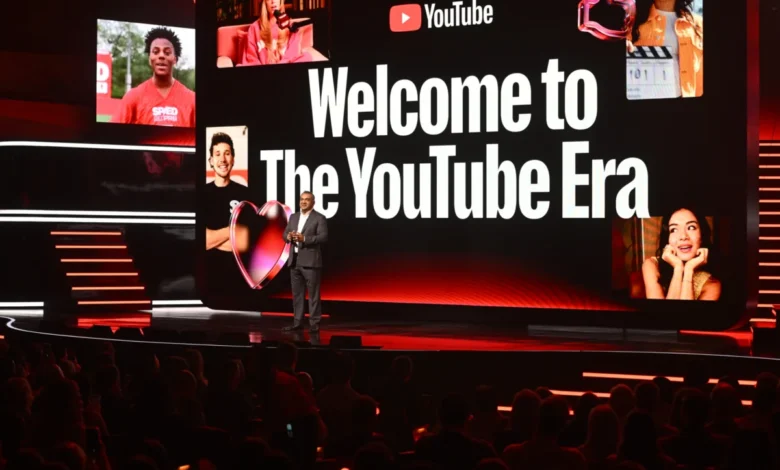
During its annual Made on YouTube event, company leadership unveiled nearly three dozen new product features tailored for creators, viewers, and advertisers. This massive rollout is part of an aggressive product cycle that CEO Neal Mohan noted has already delivered approximately 3,000 updates to the platform throughout the year. Among the most notable updates is the integration of traditional web and mobile capabilities onto television screens, allowing users to post and read comments, view creator community posts consisting of text and static images, and seamlessly navigate short-form video content through YouTube Shorts.
These strategic developments underline a broader effort to capitalize on changing consumer habits. According to internal data and Nielsen metrics, YouTube has successfully claimed the top spot in TV viewing charts for three consecutive years. By July, the platform accounted for roughly 14.2% of all television viewing time in the United States. While its free-to-watch accessibility certainly aids its massive reach, executives emphasize that user engagement and interactive community features are the primary catalysts behind this enduring supremacy.
Blurring the Lines Between Passive and Active Viewing
For years, the television industry operated on a binary framework: mobile devices were built for active, tactile engagement, while television sets were reserved for passive, "lean-back" relaxation. YouTube’s product leadership, however, argues that this rigid distinction is rapidly dissolving.
Kurt Wilms, senior director of product management for YouTube on TV, addressed reporters following the New York-based showcase to clarify how contemporary audiences interact with media. "I wouldn’t call it passive. I would call it, like, lean back," Wilms explained. "I’m watching it. Something maybe happens in the show. And then I’m like, ‘Oh, well, I want to read the comments, or I want to leave a comment myself, or, wait, what did she just talk about a different video? I wanna go to her channel and see.’ So now, instantly I become a leaned-in viewer. And so I think it flows, ebbs and flows between two. We don’t think of them as a hard line."
This fluid transition between resting back and actively engaging has dictated YouTube’s recent engineering priorities. Internally, developers frequently questioned whether features designed for vertical phone screens or laptop keyboards belonged on a 65-inch living room display. However, consumer demand consistently pushed back against these hesitations. Viewers and content creators alike voiced a desire to access the full ecosystem of features regardless of the hardware they were using.
The Unlikely Triumph of YouTube Shorts on the Big Screen
Perhaps the most counterintuitive success story in YouTube’s recent history is the explosive growth of YouTube Shorts on television displays. Initially conceived as a direct competitor to TikTok and Instagram Reels for vertical, mobile-first consumption, Shorts has found an unexpected second home in the living room.
Statistically, the format’s performance on television defies initial expectations. Viewers currently consume more than 2 billion hours of YouTube Shorts programming on TV screens each month. Wilms noted that initial user feedback highlighted a glaring gap in the market: prior to this integration, there was no intuitive way for families or groups of friends to enjoy short-form vertical content together.
"The first thing everyone was telling me about Shorts on the TV is there was no good way to watch this content with friends or family," Wilms said. "The TV unlocked communal viewing for Shorts in a way that just wasn’t possible before."
This philosophy of bringing traditionally non-television formats to the big screen has been a core focus for YouTube over the past 24 months. By systematically adapting gaming videos, long-form podcasts, and vertical shorts, the company has transformed the television application into a multi-format aggregator. A similar phenomenon occurred with video comments. When product teams first considered bringing comment sections to televisions, skepticism ran high. The prevailing sentiment within engineering meetings was one of disbelief: "Really?! You want to read the comments on the TV?!"
Yet, customer research proved the skeptics wrong. Today, the volume of users reading comments directly on their televisions rivals the engagement metrics recorded on traditional web browsers.
Understanding Viewer Modes and Behavioral Psychology
Rather than viewing audiences through the lens of static demographics, YouTube’s product development strategy relies on understanding consumer "modes." According to internal research, a single household utilizes the YouTube application in radically different ways depending on the time of day, social context, and immediate psychological intent.
During morning routines or evening wind-downs, a television might serve primarily as a home stereo for music streaming. In the afternoon, it functions as a shared educational or entertainment portal for families and children. At other times, viewers enter what the company categorizes as "Shorts mode"—a state of mind where the consumer may not have a specific long-form video in mind, but prefers quick-witted, bite-sized entertainment to fill a brief pause in their day.
This behavioral shift toward bite-sized, fast-paced media has also fueled the meteoric rise of microdramas on the platform. Originating largely as a dominant force within Asian digital entertainment ecosystems, microdramas have quickly expanded globally, finding a massive, highly receptive audience on YouTube.
Data released by the company reveals that microdramas have accumulated more than 6.5 billion views globally this year alone. On television screens specifically, this content category is experiencing a staggering 90% year-over-year growth rate. Industry analysts attribute this success to the format’s high pacing, action-driven narratives, and episodic structure, which align perfectly with modern viewing habits.
"Microdramas in particular, they’re fast-paced, they’re action-packed, they’re quick, and so in the industry as a whole, I think viewers are resonating to this type of content, so I assume it’s gonna continue to grow," Wilms added. "Overall, we see a lot of success of bite-sized content that could be personalized to your taste… People are seeing it as a place to spend breaks in their day."
Chronology and Strategic Evolution
YouTube’s ascent to television dominance is the result of a deliberate, multi-year product strategy that began long before the recent feature rollout.
- 2005: YouTube is founded, launching with the historic "Me at the Zoo" video, which set a cultural precedent for user-generated commentary—famously inaugurated with a simple "Lol" in the comments section.
- Late 2010s: As smart televisions proliferate globally, YouTube prioritizes porting its core application to living room hardware, transitioning from a secondary casting device to a standalone primary television app.
- 2021–2024: YouTube captures and maintains the #1 spot in Nielsen’s Gauge report for TV streaming time in the United States for three consecutive years, outperforming traditional broadcast networks and rival subscription services.
- 2023–2024: The platform introduces experimental living room adaptations for Shorts, gaming streams, and podcasts, discovering unexpectedly high engagement rates among multi-user households.
- September 2026: At the annual Made on YouTube event in New York, the platform unveils nearly three dozen new television features—including direct commenting, channel posts, and enhanced microdrama discovery—pushing Neal Mohan’s reported total product updates for the year to 3,000.
Broader Industry Implications and Future Outlook
YouTube’s aggressive blurring of mobile and television boundaries carries profound implications for the broader media and advertising landscape. As traditional linear television continues to bleed subscribers to streaming services, platforms that can successfully merge the communal, relaxed atmosphere of the living room with the hyper-personalized, interactive engagement of social media hold a distinct competitive advantage.
By integrating features like real-time comments, community posts, and high-velocity microdramas into the TV interface, YouTube is effectively inoculating itself against viewer fatigue. Advertisers, in turn, are presented with entirely new paradigms for audience targeting. No longer restricted to standard video pre-rolls or banner ads, brands can now intersect with consumers who are actively toggling between passive viewing and active community participation.
As YouTube continues to deploy thousands of updates annually, its core philosophy remains anchored in preserving the foundational DNA of its 2005 launch while aggressively reimagining the hardware boundaries of the modern household. If current trends indicate the future of entertainment, the television set is no longer just a window for watching stories unfold—it has officially become an interactive town square.