The Escalating Cost and Complexity of Natural Gas Power for AI Data Centers

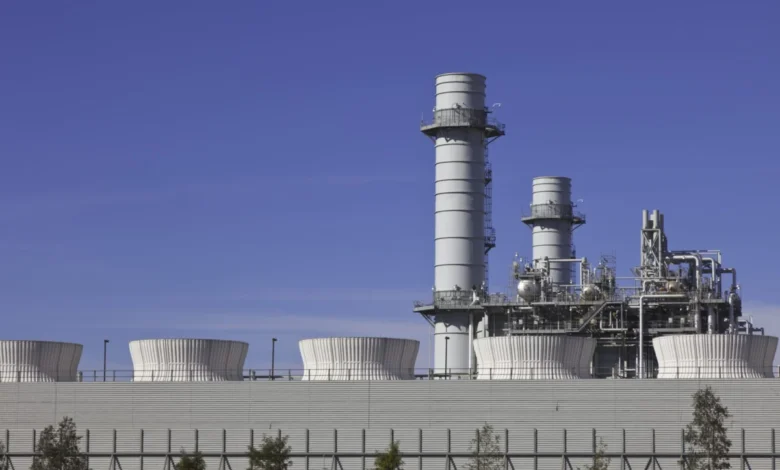
The meteoric rise of generative artificial intelligence has triggered a massive expansion in global data center infrastructure, placing unprecedented pressure on aging electrical grids. As tech giants like Microsoft, Meta, and others scramble to secure reliable power for their energy-intensive computing clusters, they have pivoted increasingly toward natural gas as a primary solution. However, this transition is encountering significant economic and logistical headwinds. According to a recent report from BloombergNEF, the capital expenditure required to construct new combined cycle gas turbine (CCGT) power plants has surged by 66% over the last two years, threatening to deflate the rapid expansion plans of the world’s largest technology corporations.
The Economic Reality of Power Expansion
While natural gas remains a relatively affordable fuel source in the United States, the infrastructure required to harness it has become prohibitively expensive. In 2023, the cost to build a new CCGT facility was approximately $1,500 per kilowatt of generating capacity. By the end of 2025, that figure climbed to $2,157 per kilowatt. This spike is not merely a result of inflationary pressure on raw materials; it is a symptom of a systemic bottleneck in the supply chain for power generation hardware.
The primary culprit is the scarcity of gas turbines, which account for roughly 30% of a power plant’s total construction budget. Due to a surge in demand, prices for these specialized machines have skyrocketed, with current market rates sitting nearly 195% higher than they were in 2019. Compounding this issue is the nature of the manufacturing process. Gas turbine production is a complex, high-precision endeavor that does not lend itself to rapid scaling. Manufacturers are currently managing backlogs that extend into the early 2030s, meaning that companies hoping to bring new data centers online in the next few years may find themselves without the necessary power infrastructure to support them.
Chronology of the Energy Crunch
The trajectory of this energy crisis can be traced back to the onset of the current AI boom. In 2023, data center operators largely relied on existing grid connections supplemented by renewable energy credits and Power Purchase Agreements (PPAs) for wind and solar. However, as the computational requirements for large language models (LLMs) scaled exponentially, it became clear that intermittent renewable sources alone could not satisfy the "always-on" requirements of mission-critical AI hardware.
By late 2025, the industry began a collective pivot toward "behind-the-meter" generation, with companies taking the advice of regulators to "bring their own power." This shift marked a departure from public utility reliance, but it quickly hit a wall of public and regulatory scrutiny. By early 2026, public opposition to the environmental impact and the potential cost-shifting of these massive private energy projects began to intensify. As utility companies continue to pass the costs of grid modernization onto residential and commercial ratepayers, the social license for building these private power plants has become increasingly tenuous.
Scaling Demands and Infrastructure Projections
The sheer scale of the new generation of data centers is unprecedented. Historical data indicates that only about 10% of existing facilities reach a capacity of 50 megawatts or more. Looking forward, the industry trend is moving toward massive, hyper-scale campuses that routinely exceed 100 megawatts.
Projections from industry analysts suggest that data center energy demand is on track to increase by nearly 300% by 2035. Current demand, which sits at approximately 40 gigawatts, is expected to swell to 106 gigawatts in the next decade. This 66-gigawatt deficit represents a massive challenge for energy providers, who must balance the needs of tech giants against the stability of the broader grid.

Regulatory and Public Backlash
The "bring your own power" directive, championed by the Trump administration, was intended to alleviate pressure on the national grid by allowing corporations to build independent power sources. However, the reality has proven more complex. In many instances, the construction of new gas-fired plants triggers local environmental reviews and legal challenges from community groups concerned about emissions and land use.
Utilities, often required to upgrade transmission lines to accommodate these massive new loads, have sought to recover these costs from the general public. This has resulted in a growing sentiment of resentment toward data center developers, who are increasingly viewed as drivers of higher electricity bills for average consumers. This public animus has forced some tech companies to reconsider their public-facing strategies, with many now looking for ways to integrate their power plants into the community grid more transparently.
The Search for Alternatives: Storage and Renewables
Not all major players are doubling down on natural gas. A significant divergence in strategy has emerged among the "Big Tech" firms. Google, for instance, has begun to pivot toward a more diversified energy portfolio. By integrating large-scale, long-duration energy storage (LDES)—such as iron-air battery technology developed by companies like Form Energy—Google aims to solve the intermittency problem of solar and wind.
These iron-air batteries, which can discharge electricity for up to 100 hours, offer a compelling alternative to gas turbines. Unlike the supply-constrained gas turbine market, the technology behind solar-plus-storage has seen a consistent, long-term decline in costs. As the Levelized Cost of Energy (LCOE) for renewables and storage continues to drop, the economic argument for natural gas—already weakened by 66% cost increases—becomes even less attractive.
Broader Implications and Future Outlook
The current situation represents a critical inflection point for the tech industry. The decision to invest in natural gas was initially seen as a pragmatic, low-risk solution to the energy demands of the AI era. However, the combination of surging construction costs, equipment shortages, and intense public scrutiny has turned that "safe" bet into a potential liability.
If the costs of building power plants continue to rise at the current rate, tech companies may be forced to slow down their hardware expansion or seek more radical solutions. Some industry experts suggest this could lead to a renewed interest in small modular nuclear reactors (SMRs) or a significant increase in investment in grid-scale energy efficiency technologies.
Ultimately, the data center industry is discovering that it cannot operate in a vacuum. As the primary drivers of new electricity demand, these companies are inextricably linked to the stability and affordability of the national energy system. Moving forward, the most successful firms will likely be those that can successfully navigate the "energy trilemma"—balancing the need for reliable power, the mandate for lower costs, and the growing public demand for environmental responsibility.
As the calendar moves toward 2030, the reliance on traditional natural gas-fired CCGT plants may become a decreasingly viable strategy. The companies that emerge as leaders in this space will likely be those that prioritize technological innovation in storage and distribution, rather than simply attempting to out-build the current energy crisis using legacy fuel sources. For now, the industry remains in a precarious position, caught between the insatiable demands of the AI revolution and the rigid limitations of physical infrastructure.