The Skyrocketing Cost of Powering AI: Tech Giants Face Economic and Logistical Hurdles in the Dash for Natural Gas

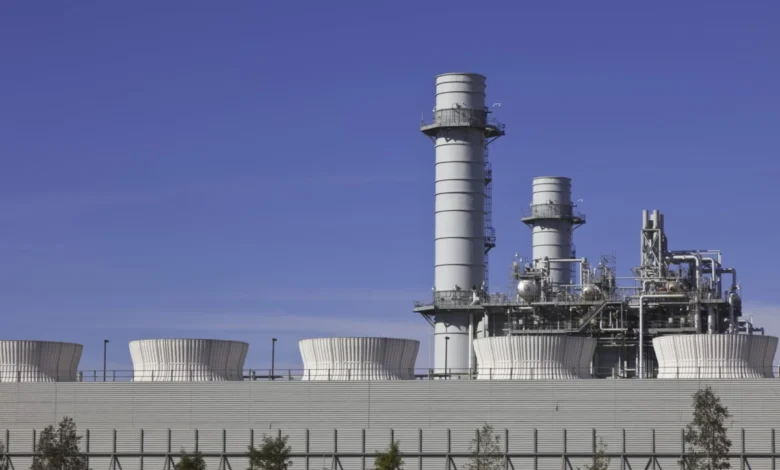
The rapid expansion of artificial intelligence and the massive data centers required to support it have triggered a tectonic shift in the energy landscape. For years, major technology companies such as Microsoft, Meta, and others relied on a strategy of purchasing renewable energy credits and signing power purchase agreements (PPAs) for wind and solar. However, the sheer scale of the generative AI boom has forced a pivot toward more reliable, always-on energy sources. Increasingly, these firms are turning to natural gas to power their infrastructure, a move that has collided with a reality of surging capital costs, supply chain bottlenecks, and growing public opposition.
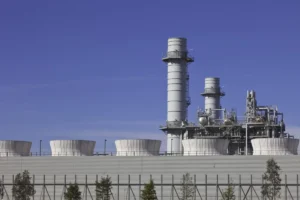
According to a comprehensive report from BloombergNEF, the capital expenditure required to construct a new combined cycle gas turbine (CCGT) power plant has surged by 66% over the last two years. As of early 2026, the cost to build these facilities has climbed to $2,157 per kilowatt of generating capacity, a sharp increase from the sub-$1,500 levels observed in 2023. This economic pressure is compounded by significant delays in construction, with project timelines extending by approximately 23% compared to recent historical averages.
A Changing Energy Strategy for Big Tech
The transition to natural gas represents a departure from the "green-first" ethos that defined the tech sector’s energy procurement for much of the early 2020s. Historically, tech giants sought to minimize their carbon footprint by funding utility-scale solar and wind projects. Yet, as AI models require constant, high-intensity computing power that intermittent renewables cannot currently provide without massive battery support, the industry has prioritized grid stability.
The Trump administration has further accelerated this trend by encouraging data center operators to "bring their own power." This mandate aims to relieve pressure on local municipal grids that are already struggling to keep pace with the massive electricity demands of hyper-scale computing. By building dedicated gas-fired power plants, companies hope to secure a localized, consistent energy supply. However, this strategy has backfired in terms of public perception. Because utilities often socialize the costs of grid upgrades and new generation infrastructure, local ratepayers frequently bear the financial burden of these corporate-driven demand spikes. This dynamic has sparked a wave of local protests and regulatory pushback in states like Virginia, Texas, and Arizona, where data center clusters are densest.
The Anatomy of the Supply Crisis
The sudden, industry-wide rush to construct CCGT plants has created a severe supply-demand imbalance in the energy equipment market. A critical bottleneck has emerged in the production of gas turbines, which account for roughly 30% of the total cost of a new power plant. Prices for these specialized turbines have skyrocketed by 195% compared to 2019 levels.
The manufacturing process for high-efficiency gas turbines is notoriously complex, requiring advanced materials science and precision engineering that do not lend themselves to rapid scaling. As orders from data center developers flood the order books of major industrial manufacturers, lead times have stretched significantly. Current projections suggest that if a company were to initiate a project today, they would likely face a waitlist extending into the early 2030s. This creates a "gold rush" environment where the companies with the deepest pockets are effectively monopolizing the available supply of critical infrastructure components, leaving smaller players and even public utilities in a precarious position.

Data Center Projections and Grid Demand
The demand for electricity is not merely incremental; it is exponential. Current data center energy consumption stands at approximately 40 gigawatts in the United States. Analysts forecast that this figure will reach 106 gigawatts by 2035, representing a 2.7x increase. The scale of individual facilities is also changing: while only 10% of existing data centers operate at a capacity of 50 megawatts or larger, the next generation of facilities is trending toward an average capacity exceeding 100 megawatts.
This shift in scale fundamentally alters the burden on regional transmission organizations (RTOs). Grid operators are increasingly warning that the current pace of data center development is outpacing the ability of the grid to transmit power from source to load. The "bring your own power" model is, in theory, an attempt to bypass these transmission constraints, but the reality is that these new plants still require interconnections and backup services from the broader grid.
Alternative Paths: The Google Approach
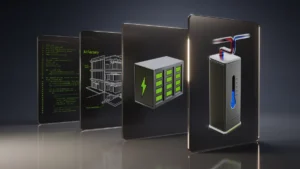
Not all tech giants are doubling down on natural gas. Google, for instance, has begun to pilot a more diversified energy strategy that emphasizes long-duration energy storage (LDES). By pairing renewable energy sources with iron-air battery technology—such as those developed by Form Energy—the company is attempting to prove that the grid can be stabilized without a total reliance on fossil fuels.
These iron-air batteries can discharge electricity over the course of 100 hours, providing a bridge that addresses the intermittency issues of solar and wind. Unlike gas turbines, which are subject to extreme commodity price volatility and supply chain shocks, the cost of solar and battery storage has continued a long-term downward trend. If successful, the Google model could provide a blueprint for a more sustainable energy future, though it remains to be seen whether this approach can scale rapidly enough to meet the urgent timelines set by AI development cycles.
Economic and Regulatory Implications
The economic consequences of this infrastructure pivot are multifaceted. First, the rising costs of building new generation capacity are likely to be reflected in higher operational expenses for cloud services, potentially slowing the pace of AI deployment if margins become squeezed. Second, the regulatory environment is hardening. Utility commissions are facing unprecedented pressure to balance the economic development benefits of data centers against the energy security and cost concerns of the residential and commercial customer base.
The federal government remains caught between two competing priorities: maintaining American dominance in the AI arms race and ensuring the reliability of the national power grid. If the current trajectory of gas-fired plant construction continues to hit cost and timeline hurdles, it may force a federal intervention. This could include fast-tracking permits for alternative energy sources, such as small modular nuclear reactors (SMRs), or implementing new grid-load regulations that penalize companies for overloading existing infrastructure.
Conclusion
The "love affair" between Big Tech and natural gas is undergoing a significant stress test. What began as a pragmatic solution to the energy demands of the AI era has evolved into a complex problem involving supply chain instability, capital inefficiency, and mounting social resistance. As companies like Microsoft and Meta look toward the next decade of development, the limitations of their current strategy are becoming clear. Whether the industry pivots toward the long-duration storage models championed by firms like Google or continues to pour billions into a constrained market for gas turbines, the underlying reality remains the same: the cost of building the digital future is rapidly becoming a question of how we power the physical world. The coming years will be defined by which firms can successfully navigate these energy bottlenecks without sacrificing their operational timelines or their public standing.
Related posts: