FedEx Announces 2027 General Rate Increase and Surcharge Adjustments for U.S. and International Shipping Services

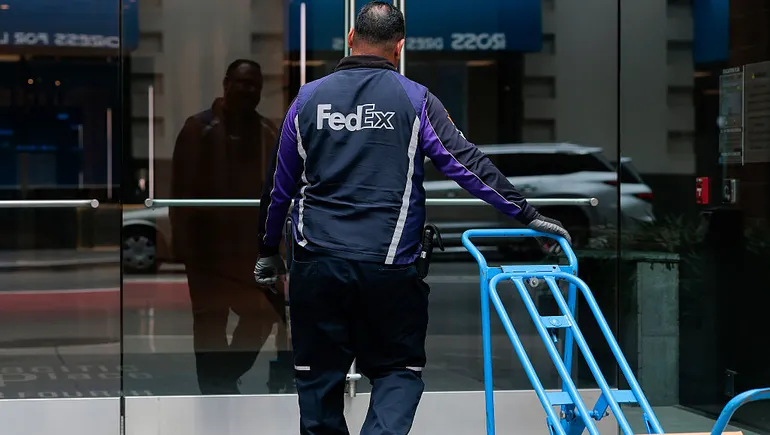
FedEx has officially confirmed its general rate increase (GRI) for 2027, continuing a long-standing industry trend of annual pricing adjustments aimed at balancing inflationary pressures, operational costs, and the ongoing modernization of global logistics networks. As logistics managers and e-commerce retailers begin their fiscal planning for the coming year, the carrier’s latest announcement underscores a strategy that prioritizes yield management and service-specific profitability over the pursuit of low-margin volume. This move aligns with a consistent pattern established by the Memphis-based courier, which has implemented similar average increases of approximately 5.9% in each of the past three years.
The Landscape of the 2027 Rate Adjustments
The core of the FedEx 2027 pricing strategy involves a baseline average increase of 5.9%, though industry analysts are quick to note that the "average" is rarely the reality for the average shipper. Because FedEx’s pricing architecture relies on a complex matrix of base rates and surcharges—dependent on package weight, dimensions, service tier, and zone—the actual financial impact on a company’s bottom line can fluctuate significantly.
For many shippers, the headline 5.9% increase serves as a benchmark, but it masks the nuance of specific service adjustments. According to data compiled by the logistics intelligence firm Loop, the variance across services is substantial. For instance, First Overnight services will see a hike of 6.01%, while 2Day A.M. services face an even steeper increase of 6.65%. Conversely, the carrier has moderated the price hikes for its Express Saver service, which will see an average increase of just 3.09%. This creates a clear signal from FedEx: the carrier is incentivizing shippers to opt for slower, more predictable delivery timelines, thereby optimizing their internal routing and aircraft capacity utilization.
Chronology of Recent Rate Hikes
To understand the 2027 increases, one must look at the recent history of carrier pricing strategies. The parcel delivery industry has entered a period of aggressive yield management, a departure from the pre-pandemic era where volume growth was the primary metric of success.
- 2024: FedEx implemented a 5.9% average rate increase, citing rising labor costs and the need for network consolidation.
- 2025: The carrier maintained the 5.9% target, focusing on "profitable growth" by emphasizing high-margin segments like healthcare, cold-chain, and automotive logistics.
- 2026: FedEx continued the 5.9% trend, while simultaneously adjusting surcharge structures to account for the complexities of "additional handling" and residential delivery burdens.
- 2027: The current announcement reinforces this stability in pricing policy, while further refining the surcharges applied to specific handling scenarios.
The consistency of this 5.9% figure is not coincidental. It represents a deliberate move by FedEx to provide predictable—albeit higher—cost structures to their largest enterprise clients, allowing for easier contract negotiations and annual budget forecasting.
Surcharge Revisions: A Deeper Look
Beyond the base rate increases, the 2027 update highlights significant adjustments to surcharges, which often represent the "hidden" cost of shipping. These fees are designed to offset the specific operational burdens associated with non-standard packages, high-density residential areas, and international processing.
A review of the upcoming 2027 fee schedule reveals consistent upward pressure. For instance, the "Additional Handling" surcharge for U.S. package services (weight-based) will climb from $46.00 to $49.50. Similarly, the surcharge for residential delivery within U.S. package services is set to rise from $6.95 to $7.35. These fees directly target the "last mile" complexity that has plagued the industry since the surge in e-commerce during the 2020-2021 period.
By increasing the costs for residential delivery and package handling, FedEx is effectively passing on the increased costs of labor, vehicle maintenance, and fuel to the businesses that rely on them. Furthermore, the hike in "Oversize" surcharges for FedEx Home Delivery—rising from $275 to $290—signals that the carrier remains focused on discouraging the shipment of large, bulky items through its standard small-parcel network, potentially pushing those shippers toward FedEx Freight or specialized third-party logistics providers.
Strategic Implications for E-commerce Shippers
The most notable shift in FedEx’s 2027 strategy is the disproportionate impact on lighter packages. Loop’s analysis indicates that Ground packages weighing between one and five pounds—the bread and butter of the e-commerce industry—will face an average increase of 6.49%. This is significantly higher than the aggregate 5.9% average, suggesting that FedEx is no longer prioritizing the high-volume, low-margin parcels that defined the "Amazon era" of logistics.
This pivot is consistent with broader statements from FedEx leadership regarding their intent to de-emphasize general e-commerce volume in favor of more specialized, high-value, and high-margin shipments. For e-commerce retailers, this necessitates a reassessment of their shipping strategy. Experts recommend that businesses with transit-tolerant freight move away from premium 2Day services toward the more economically priced Express Saver options. Modeling these costs before the next contract renewal is no longer a luxury; it is a fundamental requirement for maintaining margins.
Industry Context and the UPS Factor
While FedEx has solidified its position for 2027, the industry remains in a state of observation regarding UPS. As of early this week, UPS has not yet announced its 2027 GRI. In the past, the two major carriers have moved in relative lockstep, often mirroring each other’s rate increases within weeks. However, UPS faces a different set of challenges, particularly following the contentious labor negotiations with the Teamsters union that concluded in 2023. These agreements significantly increased the total compensation packages for drivers, which many analysts expected to lead to more aggressive pricing strategies from UPS to protect their operating margins.
If UPS chooses to mirror the 5.9% increase, it would suggest a market-wide consensus that high-single-digit cost inflation is the new "floor" for the industry. If UPS opts for a higher or lower percentage, it could spark a shift in market share, as shippers weigh the reliability of FedEx’s specialized services against the pricing agility of the UPS ground network.
Broader Economic Implications
The annual rate increases from FedEx are more than just a line item in a balance sheet; they are a bellwether for the broader logistics economy. As shipping costs rise, these expenses are inevitably passed down to the consumer, contributing to the "stickiness" of inflation in the retail sector. When it costs more to deliver a pair of shoes or a box of electronics, the price of those goods must rise to maintain retail profitability.
Furthermore, the focus on "profitable segments" like healthcare and automotive indicates that the logistics industry is maturing. The era of "free shipping" that characterized the mid-2010s is effectively over. Both carriers and retailers have reached a tacit agreement that the true cost of moving goods must be reflected in the transaction price.
Preparing for the 2027 Fiscal Year
For supply chain managers, the primary takeaway from the 2027 FedEx announcement is the need for data-driven agility. Relying on "standard" shipping methods without auditing the surcharge impact is a recipe for budget overruns. Shippers must analyze their specific delivery profiles—identifying the ratio of residential vs. commercial deliveries, the average weight of their parcels, and their reliance on overnight versus deferred services.
In conclusion, the 2027 FedEx General Rate Increase represents a continuation of the carrier’s disciplined approach to network optimization. By focusing on higher-margin, specialized segments and passing on the costs of last-mile complexity, FedEx is positioning itself for a leaner, more resilient future. While the 5.9% headline figure provides a simple narrative, the reality for the shipping industry is a complex, multi-layered adjustment that will require proactive management and strategic diversification of shipping carriers to mitigate the bottom-line impact. As the year progresses, the focus will undoubtedly shift to how these rates are integrated into broader contract negotiations and how competitors, particularly UPS, respond to this new baseline.