The Last Next Text: Media Industry Shifts and the Evolving Landscape of Digital Journalism


The conclusion of the long-running Next Text column marks a significant inflection point for media industry commentary, coinciding with a broader pivot in how trade publications address the rapidly changing TMT (Technology, Media, and Telecom) sector. As Next TV transitions toward a curated newsletter model, the departure of columnists Daniel Frankel and David Bloom signals a shift away from traditional analytical journalism toward more automated, aggregate-driven content strategies. This transition reflects the ongoing struggle of digital media outlets to balance high-quality editorial output with the economic pressures of an increasingly consolidated and automated advertising market.
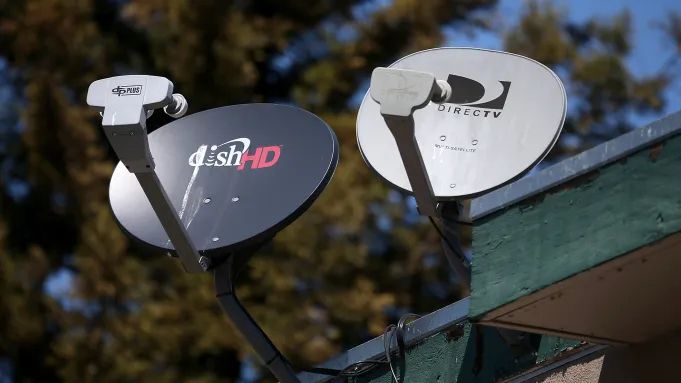
A Legacy of Industry Analysis
For years, the Next Text column provided a weekly dialogue between Frankel and Bloom, serving as a pulse-check for the streaming wars, the decline of linear television, and the consolidation of telecom giants. Their discussions frequently dissected the moves of industry titans such as Dr. John Malone, whose influence through companies like Liberty Global, Charter Communications, and Warner Bros. Discovery has fundamentally reshaped the media landscape.
The column’s final installment serves as a microcosm of the current state of the media business. The industry is grappling with the “streaming paradox,” a term frequently cited by analysts to describe the transition from highly profitable linear cable bundles to fragmented, often loss-making direct-to-consumer streaming services. As traditional media conglomerates attempt to pivot, they face the dual challenge of declining carriage fees and the exorbitant costs associated with securing sports rights, which remain the last bastion of reliable linear viewership.
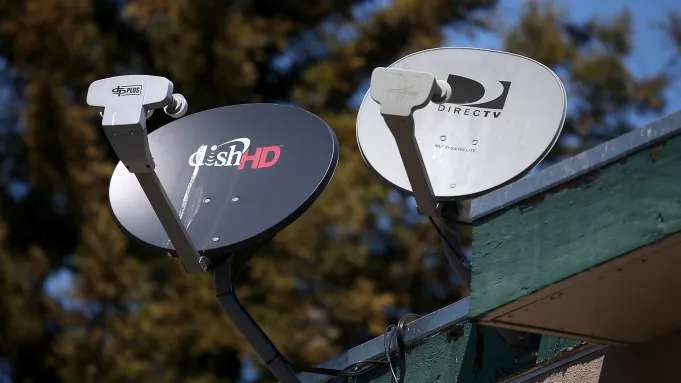
The DirecTV and Dish Network Merger Saga
A focal point of the final column was the persistent speculation regarding a potential merger between DirecTV and Dish Network. This proposed tie-up has been a recurring theme in the telecommunications sector for over a decade. Historically, regulatory hurdles—specifically antitrust concerns raised by the Department of Justice—have prevented the two largest satellite providers from combining forces.
However, market analysts suggest that the landscape has changed sufficiently to potentially warrant a different regulatory outcome. With the rapid erosion of the traditional pay-TV subscriber base, both companies are facing existential threats. Combined, the two entities would represent roughly 19 million subscribers, potentially providing the necessary scale to negotiate more effectively with content providers and manage the significant capital expenditures required to maintain satellite infrastructure.

Data from the Federal Communications Commission (FCC) indicates that the number of households subscribing to traditional MVPD (Multichannel Video Programming Distributor) services has fallen by millions annually over the last five years. A merger between the two satellite giants would, in effect, create a "last stand" entity for the satellite industry, though experts remain divided on whether such a move would be a long-term solution or merely a temporary stay of execution against the dominance of streaming platforms and internet-based service providers.
The Hardware Arms Race and Streaming Consolidation
Beyond infrastructure and corporate consolidation, the media sector is witnessing a renewed focus on streaming hardware. The recent introduction of the Google TV Streamer and the updated Roku Ultra underscores a strategic shift: high-end streaming devices are now being marketed as the central hub for the smart home.

This hardware competition is not merely about 4K resolution or HDR support; it is about user interface dominance. As platforms like Fubo expand features such as "multiview"—which allows users to watch multiple streams simultaneously—the processing limitations of older streaming dongles have become apparent. Processing power and memory are now critical differentiators. The premium pricing of the Google TV Streamer, aimed at competing with the Apple TV, reflects a move to capture the "power user" segment of the market, which is increasingly essential for services that demand high-bandwidth, low-latency performance.
Industry Metrics and the Ad-Supported Future
The shift toward ad-supported tiers (AVOD and FAST channels) has become the industry’s primary recovery strategy. According to recent studies from companies like Wurl, connected TV (CTV) viewing hours have reached levels reminiscent of the 2020 pandemic lockdowns. However, this growth comes with a caveat: viewer tolerance for advertising.

Industry metrics suggest a direct correlation between ad-load length and subscriber churn. Research indicates that for every additional minute of ad time added to a broadcast, content providers risk a significant percentage of viewer attrition. This has forced streaming services to adopt more sophisticated, data-driven advertising models that prioritize relevance over volume. The implication for media companies is clear: the path to profitability requires a delicate balance between maximizing ad revenue and maintaining a user experience that prevents subscribers from migrating to competitors.
The Role of AI in Content Creation
Perhaps the most striking development discussed in the final weeks of the column is the rise of artificial intelligence in editorial operations. The report that the Evening Standard in London is exploring the use of AI to "revive" the voice of its late, renowned art critic Brian Sewell is indicative of a broader trend: the automation of institutional voices.

While AI offers potential cost efficiencies for media organizations struggling with thin margins, it also presents a fundamental challenge to the value of human-led journalism. The "creative class" is currently facing a contraction of opportunities as organizations seek to replace senior editorial staff with entry-level writers overseen by AI tools or, in some cases, replace the writers entirely with generative models.
Broader Implications for the Media Sector
The transition from labor-intensive, authored commentary to automated curation represents a wider cultural shift within the media industry. As firms prioritize the bottom line, the "Next Text" style of critical, subjective analysis is increasingly being sidelined. This move risks creating an information ecosystem that is efficient at delivering news but perhaps less adept at providing the historical context and nuanced critique that define journalistic integrity.

For the TMT sector, the next few years will likely be defined by three primary forces:
- Consolidation: The inevitable merger of legacy pay-TV assets to survive the transition to a purely IP-based delivery system.
- Platform Integration: The evolution of the television set-top box into an integrated smart home and commerce hub.
- The Labor Crisis: A fundamental re-evaluation of the role of human writers in an era where AI-generated content can emulate the style, if not the insight, of industry experts.
As the industry moves forward, the loss of independent, analytical voices in trade journalism may prove to be a significant blow to the transparency and critical discourse of the media business. The shift toward "curated newsletters" is a reflection of a media environment that is increasingly focused on the speed of delivery rather than the depth of investigation.

In conclusion, the trajectory of the media industry is moving toward a more centralized, automated, and consolidated model. While these changes offer potential solutions to the economic challenges facing media conglomerates, they also pose significant questions regarding the future of editorial independence and the quality of public discourse on the vital shifts occurring in technology and telecommunications. The departure of traditional columns like Next Text is not just an administrative change; it is a signal of the changing nature of how we process and understand the business of the stories we watch.