The Human Touch Renaissance: How Fashion and Beauty Brands Are Combating AI Disruption Through Physical Retail and Experiential Marketing

As artificial intelligence fundamentally reshapes the architecture of digital marketing and consumer discovery, fashion and beauty brands are aggressively pivoting toward a strategy that once seemed secondary: the human touch. From the resurgence of brick-and-mortar storefronts and intimate community-driven events to high-touch customer service, industry leaders are seeking refuge from an increasingly automated digital landscape.
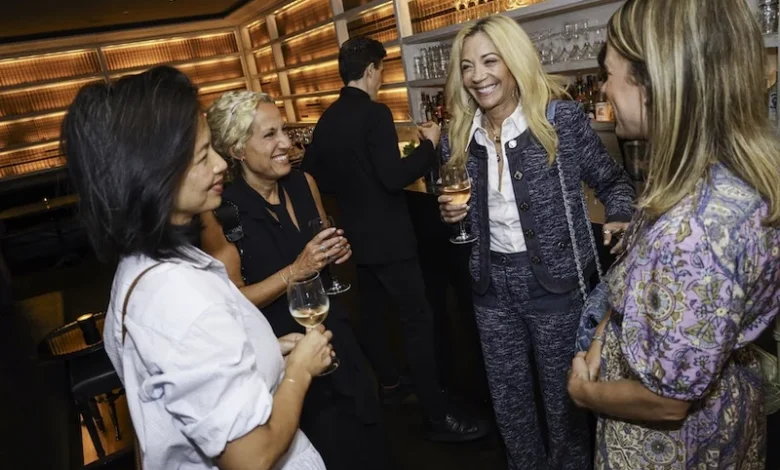
This strategic shift took center stage at a recent exclusive Brand Leaders dinner hosted jointly by Glossy and Modern Retail, in partnership with Global Payments. Convening under Chatham House Rules to ensure candid, unvarnished dialogue, retail founders, executives, and in-house marketers gathered to dissect the myriad pressures facing their respective companies. The consensus from the room was clear: while digital channels have traditionally served as the primary engines of growth, the rapid rise of generative AI, language model-driven product discovery, and macroeconomic headwinds are forcing a profound re-evaluation of how brands acquire and retain loyal customers.
Main Facts: The Digital Disruption and the AI Paradigm Shift
The modern retail ecosystem is experiencing a turbulent transition period. For over a decade, direct-to-consumer (DTC) brands and legacy players alike relied heavily on predictable performance marketing playbooks—primarily search engine optimization, paid search advertising, and display ads—to drive traffic and e-commerce conversions. However, the proliferation of AI-driven search tools and conversational language models is dismantling these traditional pathways.
Rather than scrolling through traditional search engines peppered with display ads, modern consumers are increasingly turning to generative AI assistants for product recommendations and brand discovery. For digital marketers, this shift has transformed the ad landscape into what industry insiders describe as the Wild West. Traditional digital acquisition channels are rapidly losing their efficacy, driving up customer acquisition costs (CAC) and leaving marketing teams scrambling for alternative routes to the consumer.
Compounding this digital disruption is a compounded wave of macroeconomic pressures. Many fashion and beauty executives are still recovering from the catastrophic supply chain and operational shocks of the COVID-19 pandemic, only to be met with subsequent waves of inflation, shifting consumer spending habits, and unpredictable tariffs. For emerging startups and established brands alike, scaling across multiple distribution channels while maintaining profitability has become a high-stakes balancing act.
Chronology of Challenges: From Pandemic Recovery to the Current Retail Reality
To understand the urgency driving today’s experiential pivot, it is necessary to examine the cascading challenges that have defined the retail sector over the past several years:
- 2020–2021 (The Pandemic Shock): Global lockdowns crippled physical retail, forcing an overnight, desperate migration to e-commerce. Many fashion and beauty brands took on heavy debt or restructured operations just to survive the sudden evaporation of foot traffic.
- 2022–2023 (Post-Pandemic Volatility & Inflation): As economies reopened, brands faced whiplash from soaring supply chain costs, shifting consumer demand, and inventory gluts. Just as stabilization seemed possible, broader macroeconomic tightening and renewed tariff pressures began squeezing profit margins.
- 2024–2025 (The Rise of AI and Digital Saturation): Traditional performance marketing channels saturated. The exponential growth of AI-driven search engines and conversational language models fundamentally altered consumer behavior, drastically reducing the effectiveness of legacy digital advertising strategies.
- 2026 and Beyond (The Experiential and Human Era): Brands are actively abandoning pure-play digital reliance, heavily investing in physical spaces, community events, and personalized human interactions to forge authentic, algorithm-proof relationships with consumers.
Supporting Data and Industry Insights: The Pivot to In-Person Connection
Faced with declining returns on digital ad spend, executives at the Glossy and Modern Retail dinner shared how their companies are diversifying their marketing mixes by re-engaging with consumers in the physical world.
One women’s fashion brand founder encapsulated the exhaustion of the current operational climate, noting, “Covid almost destroyed my business, and then we managed to make it to the other end just to be hit with tariffs.” Another fashion brand executive highlighted scaling as her primary source of insomnia, pointing to the immense logistical hurdles of tapping into the right resources and support while expanding across wholesale, e-commerce, and brick-and-mortar channels.
Yet, the most pressing operational friction point remains customer acquisition. An in-house marketer at the event explained that his company’s historic reliance on display and search ads is no longer yielding sustainable results. “It’s very difficult to advertise on those channels” due to the migration of users toward AI-powered discovery tools, he noted. Consequently, his organization is actively pivoting back to in-person and personal connections to diversify its marketing mix.
This sentiment was echoed across various segments of the apparel and accessories market. An apparel brand co-founder revealed that her company leaned into its physical footprint by hosting frequent parties and community gatherings. While acknowledging that individual events can sometimes operate at a loss, she emphasized that consistency yields long-term brand equity. Her team successfully executed customer-driven gatherings where existing clients were encouraged to bring friends, as well as charity-focused shopping events where a percentage of proceeds directly benefited philanthropic causes.
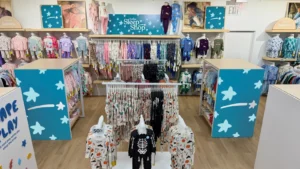
Similarly, a kids’ fashion brand executive noted that physical retail activation does not need to be overly complex to resonate with consumers. Operating a handful of stores, the brand focuses on family-friendly events featuring simple pleasures like playtime and face painting. “We find that we don’t really have to reinvent the wheel when it comes to what kids and families want,” she observed, emphasizing the power of maintaining a welcoming, low-friction store atmosphere.
Official Responses and Executive Perspectives
The desire for human connection is not merely a marketing tactic; industry leaders argue it is a direct consumer demand fueled by an increasingly automated world.
A fashion brand founder operating multiple brick-and-mortar locations observed that the ubiquitous presence of technology across the modern shopping journey has triggered a counter-movement. “I feel like our customer is looking for a human,” she stated. “They want to touch, they want to feel, and they want to get to know everything.” This realization has sparked an internal corporate focus on highlighting the real people who run and staff storefronts, turning retail associates into brand ambassadors rather than mere cashiers.
However, translating this vision into reality is fraught with operational challenges, particularly given the exorbitant costs of securing and maintaining prime retail real estate in major metropolitan hubs like New York City and Los Angeles.
Another clothing brand co-founder discussed the complexities of transitioning from a wholesale-heavy model—where roughly 40% of the business relies on wholesale retail partners—into a balanced ecosystem encompassing robust e-commerce and proprietary brick-and-mortar stores. For her team, the central analytical puzzle is uncovering the exact psychological drivers that compel a consumer to visit a physical store instead of simply purchasing online. Answering this question is a prerequisite before committing capital to nationwide brick-and-mortar expansion.
For newly launched startup brands, the physical retail journey presents an even steeper learning curve. A founder of a newly debuted jewelry brand who chose to anchor his launch with a physical storefront in New York City described the reality of early-stage retail operations as a grueling test of endurance. Navigating profitability without requiring founders to log 12-hour shifts daily has proven exceptionally difficult. “I’m very much in the grind stage, and it’s been a lot of work,” he admitted. Furthermore, high turnover among sales associates has complicated efforts to maintain a consistent in-store brand experience, highlighting the severe labor market competition within the retail sector.
Broader Impact and Industry Implications
The strategic shifts discussed by leaders at the Glossy and Modern Retail event point toward a broader structural evolution within the fashion and beauty industries. As artificial intelligence commoditizes digital content creation and disrupts traditional ad-based customer acquisition, the competitive moat is shifting away from algorithmic efficiency and toward tangible, human-centric brand experiences.
Several key implications emerge from this ongoing retail transformation:
- The Redefinition of Customer Acquisition Cost (CAC): As traditional paid search and display channels suffer from diminishing returns due to AI search adoption, brands will increasingly allocate marketing budgets toward experiential marketing, pop-up activations, and community-building initiatives. While these channels are harder to attribute on a standard digital dashboard, they often yield higher customer lifetime value (LTV).
- The Rise of the "Human-First" Retail Employee: Store associates are no longer viewed simply as transactional checkout staff. In an era where product information is instantly accessible via smartphones and AI assistants, the value of the physical store lies entirely in curation, expert human advice, empathetic customer service, and emotional brand resonance.
- Hybrid Omnichannel Realism: The romanticized narrative of pure DTC digital dominance has matured into a pragmatic omnichannel reality. Brands that previously eschewed physical retail are discovering that a thoughtful physical footprint acts as a powerful billboard, trust signal, and community hub that organically supercharges their online sales.
- Operational Resilience as a Survival Metric: With macroeconomic volatility, tariffs, and high real estate overhead expected to persist, fashion and beauty founders must balance rapid innovation with strict financial discipline. Those who successfully navigate this landscape will be the ones who can seamlessly blend the efficiency of modern technology with the irreplaceable warmth of human connection.
Ultimately, the dialogue among these retail executives signals a profound maturation of the direct-to-consumer and modern retail landscape. Technology will continue to advance, and AI will inevitably reshape how consumers search, discover, and evaluate products. Yet, the foundational human desire for community, sensory engagement, and authentic personal interaction remains unchanged—providing a clear roadmap for the brands resilient enough to build it.
Related posts: