Carter’s Unveils First Major Brand Refresh in Over Two Decades to Capture Gen Z and Millennial Parents

Carter’s, a dominant institution in the children’s apparel sector with a history spanning 161 years, has officially launched its first comprehensive brand refresh since the year 2000. This strategic pivot is specifically tailored to resonate with modern demographics, primarily Gen Z and millennial parents who prioritize distinct values when shopping for their children. The nationwide overhaul introduces a modernized visual identity, a new brand promise—centered on letting every child’s light shine—and a suite of forward-facing marketing initiatives, including a dedicated creator program and an environmental partnership.
The comprehensive rebranding effort arrives during a transitional period for the legacy retailer. As consumer preferences shift and macroeconomic pressures mount, Carter’s leadership is aggressively positioning the brand to capture new market segments, secure long-term profitability, and modernize its physical and digital presence.
A Strategic Evolution Rooted in Modern Consumer Values
At the core of the Carter’s rebrand is a new central brand commitment: “to let every child’s light shine.” According to Chief Marketing Officer Sarah Crockett, who joined the company in June of last year, the messaging is designed to honor the brand’s century-old legacy of trust while integrating updated elements that speak directly to younger audiences.
Extensive consumer research conducted by the brand revealed that modern parents—particularly younger demographics—place a high premium on self-expression and giving children the autonomy to choose what they wear. Crockett noted that the research highlighted a distinct desire among parents to contribute to a childhood shaped more by encouragement than comparison. This insight directly inspired the company’s new visual identity, redesigned logo, and updated messaging architecture, which will progressively roll out across all customer touchpoints.
The corporate transition also coincides with a recent shift in executive leadership. In June, the company welcomed Sharon Price John as its new Chief Executive Officer. Previously serving as the CEO of Build-A-Bear, John outlined her vision for expansion during her inaugural quarterly earnings call in July. She emphasized that Carter’s possesses a solid foundation for growth and noted significant opportunities to capture new consumers. Notably, the brand’s outreach to the Gen Z demographic has already yielded positive results, with sales in this cohort growing in the mid-teens during the second fiscal quarter.
Navigating Historical Milestones and Recent Corporate Restructuring
Founded in 1865, Carter’s has navigated numerous economic cycles, geopolitical shifts, and retail evolutions over its 161-year history. However, the path to the current rebrand has not been without operational hurdles.
In October of last year, the company announced a major restructuring plan involving the closure of 150 retail stores and the elimination of 300 corporate jobs over a three-year period. These measures were attributed, in part, to the financial pressures and cost impacts of tariffs on imported apparel.
Despite these strategic contractions, the company’s financial indicators demonstrate underlying resilience. Carter’s has posted net sales growth for three consecutive quarters. Most recently, net sales grew by 5% to reach $615 million during the second quarter of the fiscal year. This financial stability has provided the necessary runway for leadership to invest heavily in the multi-year brand refresh, ensuring that the company remains competitive against fast-fashion disruptors and digital-native competitors.
Industry Data: What Driving Forces Shape Children’s Apparel Today?
To better understand the catalysts behind Carter’s strategic repositioning, retail analysts point to shifting consumer priorities in the children’s retail market. Marisa Ortega, a retail and e-commerce analyst with Mintel, notes that industry research consistently underscores younger parents’ focus on individuality and self-expression.
According to a Mintel study conducted in April among roughly 2,000 U.S. internet users, consumer preferences when purchasing clothing for children under the age of 12 are distributed across several key factors:
- 42% of respondents identified comfort as the most important factor.
- 36% pointed to price as the primary consideration.
- 29% prioritized durability to withstand active play.
- 28% emphasized style and self-expression.
Ortega highlights that the growing market demand for inclusive clothing options, such as gender-neutral lines, directly reflects this rising emphasis on self-expression. By acknowledging these trends, legacy brands like Carter’s are attempting to modernize their product offerings to align with contemporary parenting philosophies.
Omnichannel Rollout and Experiential Retail Updates
Executing a rebrand for a market leader of Carter’s scale is a complex logistical undertaking. The visual refresh extends far beyond a new digital logo; it requires updating taglines, visual assets, and packaging across e-commerce platforms, social media channels, corporate-owned brick-and-mortar stores, and wholesale partner locations.
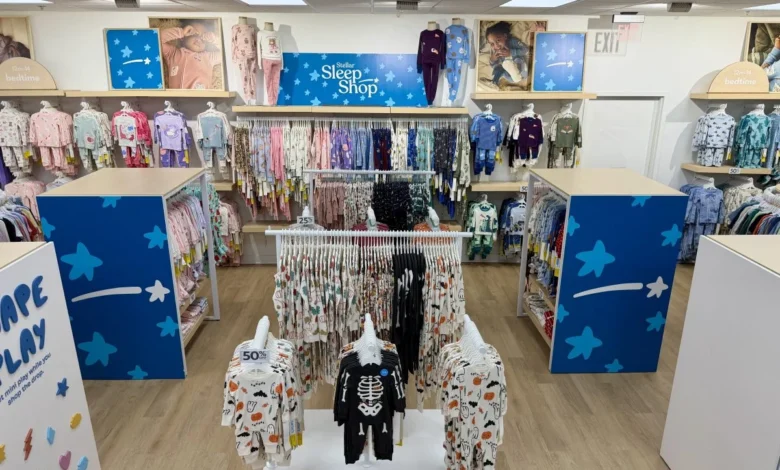
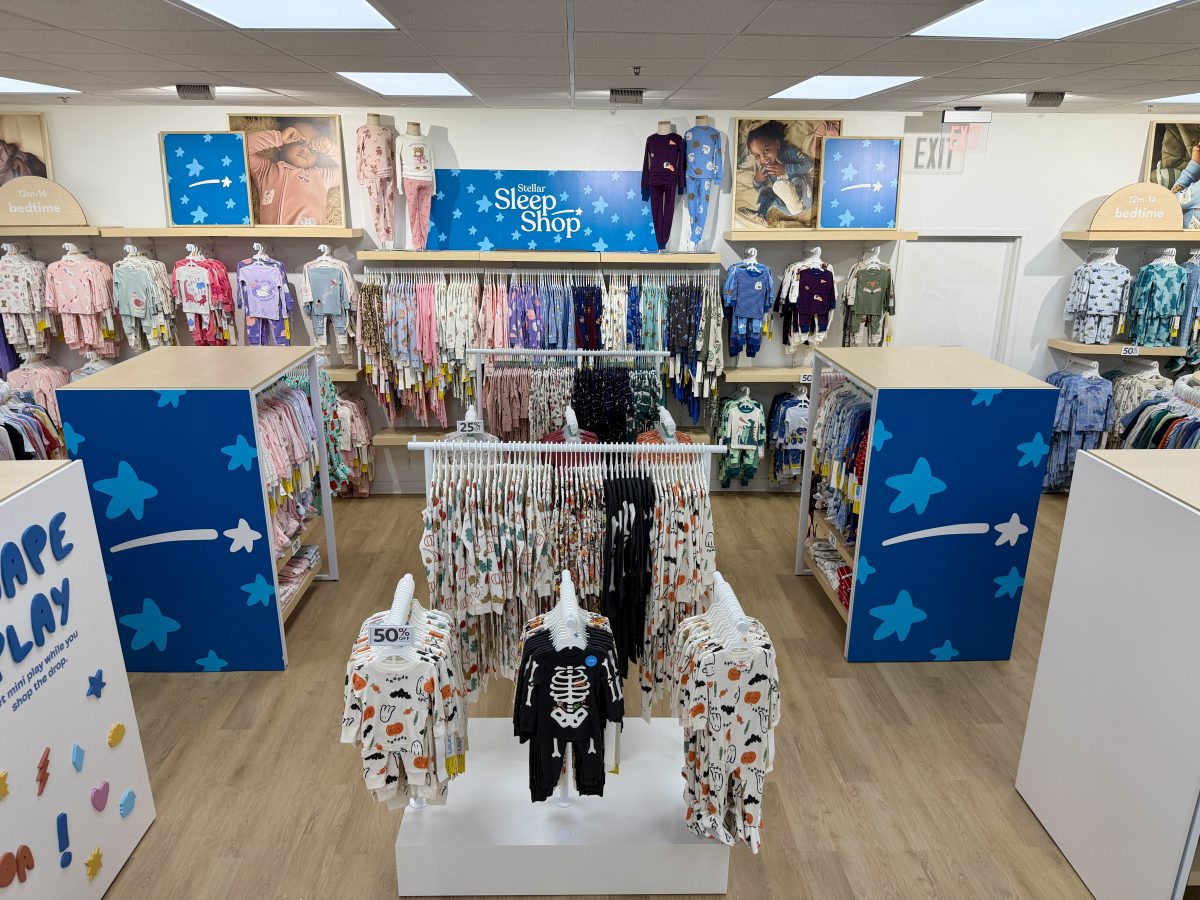
A primary example of this physical transformation is the reimagining of the sleepwear department within Carter’s retail stores. Capitalizing on its historical strength in sleepwear categories, the company is rebranding these retail spaces as "stellar sleep shops" to create a direct synergy with its new commercial campaigns.
The rollout will occur in phases. While digital assets and owned marketing channels reflect the new brand identity immediately, the comprehensive integration of updated product lines, retail store redesigns, and new packaging elements is slated to take until 2027 to complete.
Multi-Channel Marketing: The "Watch Them Glow" Campaign and Light Makers Program
As part of the rebrand rollout, Carter’s launched a high-profile commercial titled "Watch Them Glow." Set to air across streaming video networks, the advertisement features a nostalgic montage of parents and children over generations, underscored by a narrator declaring, "For generations, Carter’s has had the honor of making clothes that let children shine." The campaign serves a dual purpose: reminding legacy consumers of the brand’s enduring history while introducing its contemporary ethos to a new generation of parents.
Beyond traditional broadcast and digital advertising, Carter’s is diversifying its marketing mix through strategic non-profit partnerships and targeted creator programs.
The company has established a partnership with Outward Bound to develop educational resources and outdoor activity guides. This collaboration addresses a growing priority among young parents to reduce screen time and encourage children to engage with the natural world. Crockett noted that the initiative focuses on creating structured, curriculum-based guidelines to help families spend more quality time outdoors.
Furthermore, Carter’s is launching its first dedicated influencer initiative, the "Light Makers" program. While the brand has utilized influencer marketing in the past, this structured community program aims to foster deeper connections with content creators who champion positive childhood experiences.
The program includes an initial cohort of selected creators whose platforms align with the brand’s mission of inspiring everyday family moments. Additionally, the initiative features a financial grant component: Carter’s plans to award up to 15 grants of $2,000 each to program participants, with the first grants scheduled to be distributed during the upcoming holiday season.
Implications and Future Outlook for the Legacy Retailer
The convergence of leadership changes, financial restructuring, and a total brand overhaul marks a critical juncture for Carter’s. By addressing the cultural demands of Gen Z and millennial parents—namely authenticity, self-expression, outdoor engagement, and community-driven marketing—the company is attempting to future-proof its business model against shifting retail landscapes.
Analysts observe that while closing physical stores and cutting corporate staff reflect ongoing cost discipline, investments in brand equity and demographic expansion are essential for maintaining market dominance. With net sales trending upward and a clear strategy to engage younger consumers through targeted digital programs and modernized retail experiences, Carter’s aims to leverage its historical brand trust to secure consistent, profitable growth through the remainder of the decade.