Meta integrates generative AI into social commerce to streamline the shopping experience on Facebook and Instagram

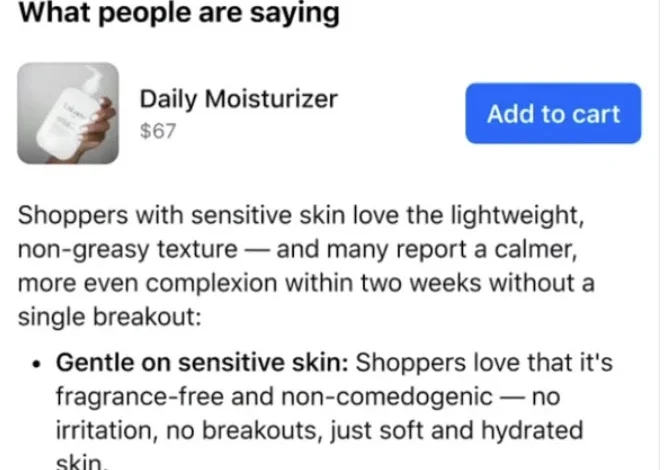
Meta Platforms Inc. has unveiled a significant expansion of its social commerce capabilities, leveraging generative artificial intelligence to transform how users interact with advertisements and complete purchases. Announced at the Shoptalk 2026 conference, these updates represent a strategic pivot for the tech giant as it attempts to solidify its dominance in the competitive landscape of digital retail, directly challenging the influence of platforms like Amazon and TikTok. By embedding AI-driven summaries and seamless checkout flows directly into the Facebook and Instagram interfaces, Meta is betting that reducing friction will lead to a substantial increase in conversion rates.
The Evolution of Social Commerce
The move to incorporate generative AI into product discovery marks a continuation of Meta’s long-standing effort to transition from a social networking hub to a comprehensive commerce ecosystem. Since the introduction of Instagram Shopping and Facebook Marketplace, the company has sought to capitalize on the "discovery" phase of the consumer journey.
The new feature, which is currently entering its testing phase, acts as a digital concierge for the casual shopper. Upon clicking an advertisement or navigating to a brand’s landing page via a Meta app, users will be greeted by an AI-generated pop-up. This interface synthesizes vast amounts of user-generated content—specifically product reviews—into a concise, digestible format. This technology mirrors the "AI-enhanced reviews" feature introduced by Amazon in 2023, which effectively solves the "analysis paralysis" often faced by shoppers forced to scroll through hundreds of individual testimonials. By presenting a summary paragraph followed by essential bullet points, Meta aims to provide the necessary social proof to encourage a purchase without the user ever having to leave the app.
A Chronology of Meta’s Commerce Strategy
Meta’s journey into integrated commerce has been a multi-year, iterative process:

- 2018-2019: Expansion of Instagram Checkout, allowing users to purchase items without leaving the app.
- 2020: The launch of Facebook Shops, a response to the pandemic-driven surge in online shopping.
- 2023: Increased focus on AI-driven ad targeting to offset privacy-related tracking limitations (such as Apple’s ATT).
- 2026: Introduction of AI-powered product insights and expanded affiliate partnerships at Shoptalk.
The 2026 initiative is arguably the most ambitious to date, as it moves beyond simple ad targeting to provide utility-based, post-click experiences that add genuine value to the consumer’s decision-making process.
Streamlining the Checkout Process
Beyond the AI summaries, Meta is refining the mechanics of the transaction itself. One of the most significant barriers to mobile commerce has historically been the redirection to third-party websites, which often results in abandoned carts due to slow load times or cumbersome login requirements.
To mitigate this, Meta has formalized partnerships with global payment giants Stripe and PayPal to power an "in-app" checkout flow. By allowing the entire transaction to occur within the Meta ecosystem, the company significantly reduces the "distance" between seeing a product and owning it. The platform has also confirmed that future integrations with Adyen and Shopify are in the development pipeline, which will expand the reach of this feature to a wider array of small and medium-sized businesses that rely on these payment gateways.
This infrastructure shift places the control of the checkout experience in the hands of the advertiser. While Meta provides the framework, the merchant retains the ability to choose their preferred payment partner, ensuring that businesses can maintain their existing accounting and fulfillment workflows.
Strategic Affiliate Expansion
The push for commerce is not limited to direct brand-to-consumer sales; it is also a play for the creator economy. Meta is aggressively expanding its affiliate partnership program, acknowledging that creators are the primary drivers of product discovery on social media. In the wake of rising competition from TikTok—which has aggressively pushed its "TikTok Shop" feature—Meta is broadening its roster of affiliate partners.

In the United States, creators can now leverage partnerships with e-commerce heavyweights including Amazon, eBay, and Temu. In international markets, the strategy is localized: Mercado Libre has been added to support Latin American creators, while Shopee will serve as a key partner across Asian markets. These partnerships allow creators to feature specific products in their content, with commission rates dictated by the retailers themselves. Furthermore, the rollout of product catalog access for Instagram Reels creators in 22 countries provides them with the tools to tag items directly in their video content, effectively turning entertainment into a storefront.
Data and Market Implications
The shift toward AI-assisted shopping is rooted in compelling market data. According to industry reports, consumers are increasingly turning to social platforms as their primary search engines for product discovery, often bypassing traditional search engines like Google. By integrating AI summaries, Meta is attempting to capture the "intent" phase of the buying cycle.
Industry analysts suggest that the impact of these changes could be profound for the digital advertising market. If Meta can demonstrate that its AI-powered ads convert at a higher rate than static banners, the company will likely be able to charge a premium for its ad inventory. This is particularly crucial for Meta, as it continues to balance the high costs of building out its artificial intelligence infrastructure with the need to maintain strong revenue growth in a mature advertising market.
The Broader Impact on Retail and Privacy
While these changes represent a win for efficiency, they also bring into focus the ongoing tension regarding data usage. By keeping the entire shopping experience—from discovery to payment—within the Meta app, the company gains unprecedented visibility into consumer behavior. This "walled garden" approach allows Meta to gather granular data on what products are viewed, which summaries are read, and which payment methods are preferred.
For the average consumer, the benefits are clear: a faster, more informed, and less fragmented shopping experience. For regulators, however, the expansion of Meta’s commerce reach into payment processing and AI-driven influence may warrant closer scrutiny regarding data privacy and antitrust concerns.

Official Stance and Future Outlook
Meta’s leadership has emphasized that the goal of these updates is to foster a more "seamless" connection between creators, brands, and consumers. By reducing the friction inherent in mobile shopping, Meta aims to make social commerce the default behavior for the next generation of online shoppers.
As the company moves forward with testing these AI features, the success of the initiative will be measured by its ability to maintain user trust while increasing the "add-to-cart" rate. The integration of payment giants like Stripe and PayPal suggests that the company is playing the long game, building a robust financial infrastructure that can support high-volume, global transactions.
As we look toward the remainder of 2026, the retail landscape will likely be defined by the "AI-ification" of the storefront. Whether Meta can successfully convert its massive user base into a loyal base of social shoppers remains the central question. However, with the backing of advanced generative AI and a simplified, single-tap checkout, the company is positioning itself to be more than just a place to socialize—it is positioning itself to be the engine of modern digital commerce.