Matt Mullenweg Returns as Automattic CEO Following Brief Ouster and Corporate Power Struggle

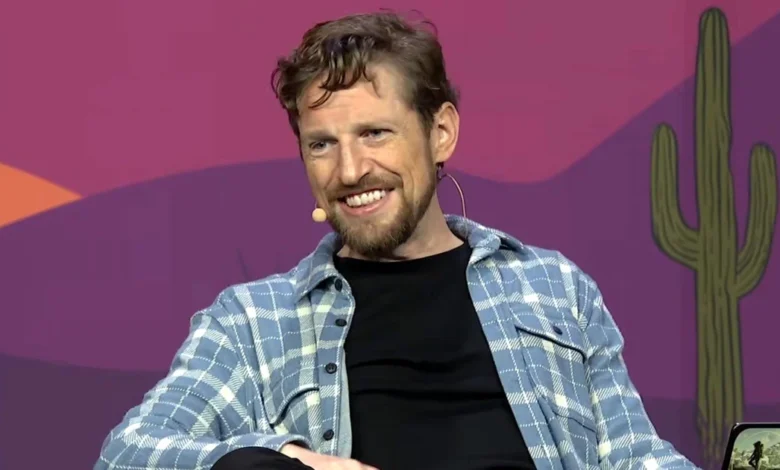
The corporate leadership structure at Automattic, the commercial powerhouse behind WordPress and Tumblr, has stabilized following a tumultuous week that saw co-founder Matt Mullenweg briefly removed from his position as chief executive officer before reclaiming control of the firm. An official company spokesperson confirmed Saturday evening that Mullenweg has resumed his duties as chairman and CEO, bringing an abrupt end to a high-profile boardroom standoff that captivated the broader tech and open-source communities.
The dramatic sequence of events highlights the delicate governance dynamics within companies that bridge commercial enterprise and foundational open-source software projects. While Automattic’s board of directors initially attempted a swift leadership transition, a combination of employee mobilization, social media advocacy, and internal communication channel reclamation ultimately shifted the balance of power back to the company’s long-serving leader.
A Rapid Chronology of the Automattic Boardroom Crisis
The upheaval began on Wednesday, September 9, when the Automattic Board of Directors notified Matt Mullenweg that he was being placed on paid leave for unspecified reasons. The notice provided to the co-founder was notably compressed, giving him approximately fifty minutes of prior warning before the decisive meeting. Furthermore, Mullenweg’s formal request for a brief delay to allow legal counsel to review the board’s maneuver was reportedly denied.
During this emergency session, the board voted to oust Mullenweg from the chief executive seat and installed Chief Financial Officer Mark Davies as interim CEO. Shortly after the decision was finalized, Automattic published a formal, three-sentence corporate press statement to announce the leadership change:
"Matt Mullenweg is currently on leave from Automattic. Mark Davies, Automattic’s CFO, will lead the company as interim CEO. The Board has full confidence in Mark’s leadership and in the team’s ability to execute against the company’s priorities."
The statement adhered to standard corporate communication protocols: formal in tone, strictly third-person, and designed to project administrative continuity and board unity during a period of sudden transition.
The Slack Insurrection and Social Media Mobilization
Despite his removal from the corporate executive suite, Mullenweg retained access to certain internal digital infrastructure, most notably Automattic’s internal Slack workspace. Leveraging this access before administrative permissions could be systematically revoked, Mullenweg effectively staged a digital counter-offensive. He stripped several administrative accounts of their privileges and posted messages asserting that he was back in charge of the company.
By Friday, September 11, tech industry publications began reporting on the internal chaos, initially questioning whether Mullenweg was genuinely reclaiming operational authority or merely engaging in corporate trolling. The uncertainty was compounded by the absence of any validating press release or public statement from Automattic’s official corporate channels.
The turning point in the information war arrived when key figures within the WordPress ecosystem began publicly weighing in. Mary Hubbard, the Executive Director of the WordPress project, posted a definitive statement on social media expressing unequivocal support for Mullenweg’s return:
"I’m relieved and pleased to see Matt Mullenweg return as CEO of Automattic, the largest financial contributor to the WordPress project. Having WordPress’s Co-founder and Project Lead at the helm gives me confidence that their support will remain strong. Matt has my support."

Following Hubbard’s public endorsement, a wave of Automattic employees—colloquially known as "Automatticians"—took to social media to voice their backing for Mullenweg. The co-founder actively reposted and amplified these expressions of solidarity. This coordinated digital groundswell successfully drowned out the sparse corporate messaging that had initially supported his ouster, creating immense pressure on the board to reverse course or clarify the company’s leadership status.
A Sharp Shift in Corporate Communications
The resolution of the crisis was signaled by a second official statement issued by Automattic just after 5:00 PM Eastern Standard Time on Saturday, September 12. The announcement deviated starkly from the polished, traditional corporate prose of the initial Wednesday release:
"Matt Mullenweg is the chairman and CEO of Automattic, with full support of the board and if you search online you can see many top executives and Automatticians supporting him as well."
The stylistic contrast between the two official communications has drawn considerable scrutiny from industry observers and communications experts. While the first statement was structured as a formal, objective corporate announcement undersigned by the collective authority of the board of directors, the second statement adopted an informal, conversational tone. Written as a single run-on sentence with an argumentative edge, it explicitly directed readers to verify the company’s leadership status via online searches of executive and employee sentiment, leading many analysts to suggest the text may have been dictated, influenced, or authored directly by Mullenweg himself.
Employee Reactions and Ecosystem Stability
Throughout the weekend, long-term employees and industry partners stepped forward to express relief and optimism regarding Mullenweg’s reinstatement. Jamesgrierson, a veteran contributor and employee with a decade of experience across both Bluehost and Automattic, encapsulated the sentiment of many within the workforce:
"I have worked alongside @photomatt first as a contributor and sponsor for 10 years while at Bluehost and then as a co-worker at @automattic for the last 10 years. The future of Automattic and WordPress are bright, and I am excited for the next 10 years!"
The swift restoration of Mullenweg helps quell immediate anxieties regarding the stewardship of WordPress, which powers over forty percent of all websites on the internet. Automattic remains the single largest financial and developmental contributor to the open-source WordPress project, meaning any instability at the top of the commercial entity directly reverberates across the broader web development ecosystem.
Implications for Corporate Governance and Open Source Leadership
The week-long drama at Automattic underscores the unique vulnerabilities inherent in companies that merge venture-backed commercial ambitions with open-source stewardship. Unlike traditional privately held or publicly traded corporations where leadership changes are handled through conventional shareholder mechanisms or quiet boardroom settlements, open-source projects rely heavily on community trust, charismatic leadership, and transparent alignment of values.
The attempted ouster and subsequent reversal demonstrate that when a fundamental mismatch occurs between a board of directors and the cultural ethos of an open-source-driven workforce, internal digital infrastructure and public employee advocacy can serve as powerful checks on traditional corporate authority.
As Automattic moves forward under Mullenweg’s restored leadership, questions will likely linger regarding the mechanics of the initial board decision, the rationale behind the brief transition to Mark Davies, and how the board-executive dynamic will function in the future. For now, however, the immediate crisis has subsided, allowing Automattic to refocus its resources on its core priorities within the WordPress and Tumblr ecosystems.