How Pluginz Transformed Its Business Model by Leveraging Temu’s Intellectual Property Safeguards

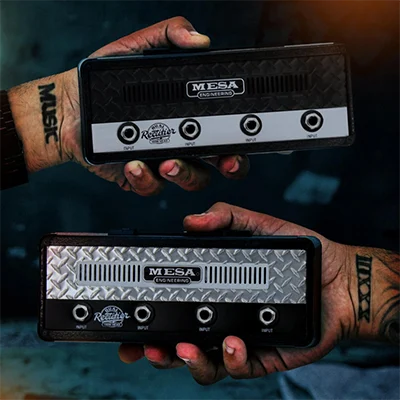
For many small-to-medium enterprises (SMEs) in the creative and licensed merchandise sector, the path to growth is frequently obstructed by the rampant proliferation of counterfeit goods. For Anaheim-based Pluginz, the creators of the iconic Jack Rack guitar-amp-themed key holder, the struggle against intellectual property (IP) infringement was once a full-time, resource-draining operation. However, a strategic pivot to the Temu platform in late 2025 has provided a template for how digital marketplaces can act as partners rather than adversaries in the fight to protect brand integrity.
The Genesis of a Viral Brand
The story of Pluginz began in 2015 when co-founder Mike Stricklin, a passionate musician, repurposed vintage guitar amplifier parts to create a unique wall-mounted key holder. The "Jack Rack"—which allows users to hang their keys using genuine 1/4-inch instrument plugs—was born from a simple, hobbyist project. Upon posting the initial prototype on the social news aggregation site Reddit, the product went viral almost overnight.
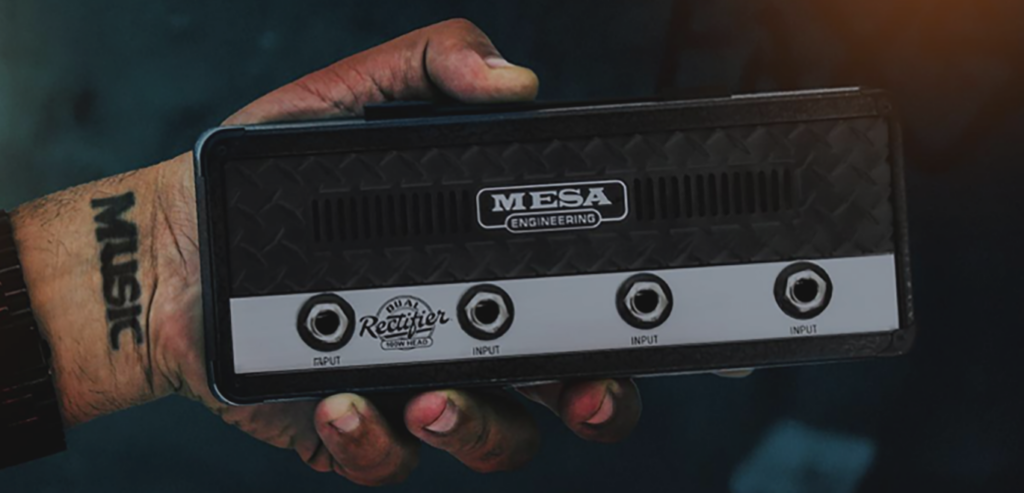
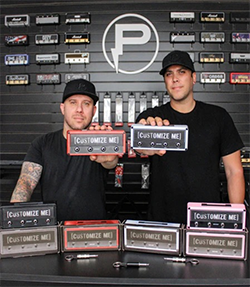
The immediate surge in consumer demand necessitated a rapid transition from a garage-based startup to a formalized business entity. Stricklin partnered with Dan Jacobs, a guitarist for the Southern California metalcore band Atreyu. Leveraging Jacobs’ deep industry connections, the pair shifted their strategy toward securing official licensing agreements with global music giants. Their portfolio eventually grew to include partnerships with legendary brands such as Marshall, Fender, Gibson, and Mesa Boogie, alongside merchandise collaborations with iconic acts like Ozzy Osbourne and Oasis.
The Counterfeit Crisis: A Chronology of Conflict
As the Jack Rack became a staple in the homes of musicians and audiophiles globally, the company’s success inadvertently painted a target on its back. Between 2017 and 2024, Pluginz faced an escalating wave of IP infringement.
- 2017-2019: The company’s early expansion into global marketplaces was met with a surge of unauthorized, low-quality replicas. The founders dedicated significant capital and man-hours to legal enforcement, issuing takedown notices and managing brand protection efforts that distracted from core product development.
- 2020-2023: As e-commerce saw a massive pandemic-era boom, the scale of infringement increased. The proliferation of third-party sellers on massive international platforms made it difficult for small businesses to police their patents and trademarks effectively.
- 2025: Seeking a more robust environment for their growing catalog—which had expanded to include clocks and desk organizers—Pluginz transitioned to the Temu Local Seller Program. This marked a shift from reactive legal defense to proactive, platform-supported IP protection.
Rigorous Onboarding and Proactive IP Screening
The primary friction point for any brand entering a new marketplace is the "onboarding" phase, where the legitimacy of the seller is vetted. According to Dan Jacobs, the entry requirements for Temu were markedly different from their previous experiences. Before a single Jack Rack listing could go live, Pluginz was required to verify its entire catalog of licenses, partnerships, and design patents against the platform’s rights-verification database.
This multi-layered approach to IP security is central to Temu’s operational strategy. The platform utilizes an automated system that screens listings against brand-and-image databases to prevent unauthorized products from ever reaching the consumer interface. This proactive stance is designed to minimize the "whack-a-mole" scenario that has historically plagued independent retailers.
Data-Driven Protection: The 2026 IP Report
The effectiveness of this partnership is highlighted by Temu’s 2026 IP Protection Report, which underscores a significant shift in enforcement tactics. The data indicates that proactive removals—where the platform identifies and removes an infringing listing before it can gain traction—now outnumber reactive takedowns (those triggered by a formal brand complaint) by a ratio of 331 to 1. This is a substantial increase from the 200-to-1 ratio reported in 2025.
Furthermore, the platform has tripled its IP protection coverage to encompass 15,000 brands. For a company the size of Pluginz, this scale provides a safety net that was previously unavailable. The platform reports that the average resolution time for IP-related complaints has been compressed to under 24 hours, a velocity that is critical for maintaining market share in a fast-moving retail environment.
The Operational Pivot: From Policing to Expansion
The result of this protection-first environment has been a transformative impact on Pluginz’s bottom line. Since joining the Temu Local Seller Program in November 2025, the company has sold over 10,000 units through the channel within the first six months. Today, the platform stands as the company’s fastest-growing sales channel, with daily orders reaching into the hundreds.
This success has allowed the leadership team to redirect their focus toward long-term business goals:
- Product Diversification: Moving beyond the hard rock and metal genres, Pluginz is aggressively pursuing licensing deals in the country, pop, and blues sectors.
- Market Expansion: With the stability provided by the current fulfillment model, the firm is preparing to launch its products into the European market, utilizing Temu’s logistics infrastructure.
- Frequency of Innovation: The company has set an ambitious internal target to launch a new band-themed license roughly every two weeks.
Implications for the Digital Marketplace
The experience of Pluginz serves as a case study for the broader e-commerce landscape. For decades, the tension between marketplace convenience and IP protection has been a defining issue of the digital age. The evolution of platforms like Temu toward a more restrictive, verification-heavy model reflects an industry-wide recognition that high-quality, licensed brands are essential to long-term platform health.
For the SME sector, the implication is clear: the ability to scale is no longer just about marketing and production efficiency; it is about finding a digital home that treats intellectual property as a foundational asset rather than an administrative burden. By outsourcing the monitoring of counterfeiters to a system that utilizes advanced AI-driven screening and rapid-response legal support, companies like Pluginz can focus on what they do best—designing products that resonate with their specific audience.
Looking Ahead
As Pluginz continues to ramp up its production capacity in Anaheim, the founders remain cautious but optimistic. "We’re not a big company," Stricklin noted, reflecting on the journey from a garage in 2015 to a global brand in 2026. "The hard part has always been protecting what we built."
With the infrastructure for IP protection now seemingly integrated into their growth strategy, the company is no longer defined by its struggle against knockoffs. Instead, it is defined by the same energy that sparked its initial viral success: a commitment to authentic, licensed products for music fans. As they look toward European expansion and new genre partnerships, the Pluginz trajectory suggests that when marketplaces take the burden of enforcement off the shoulders of the creator, the entire ecosystem benefits.
The success of this collaboration highlights a maturing e-commerce environment where the intersection of technology and legal rigor provides a more equitable playing field for small businesses in the global marketplace. As Pluginz moves forward, their experience will likely be cited as a benchmark for how small, IP-sensitive brands can leverage platform partnerships to achieve sustainable, scalable growth in an increasingly crowded digital economy.
Related posts: