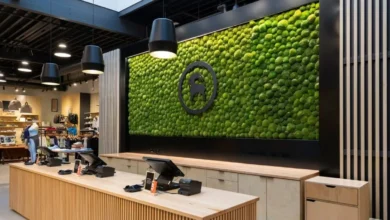
Aerie Outpaces American Eagle as AEO Inc. Reports Strong Second-Quarter Fiscal 2026 Results Driven by Diversified Growth and Inventory Overhauls

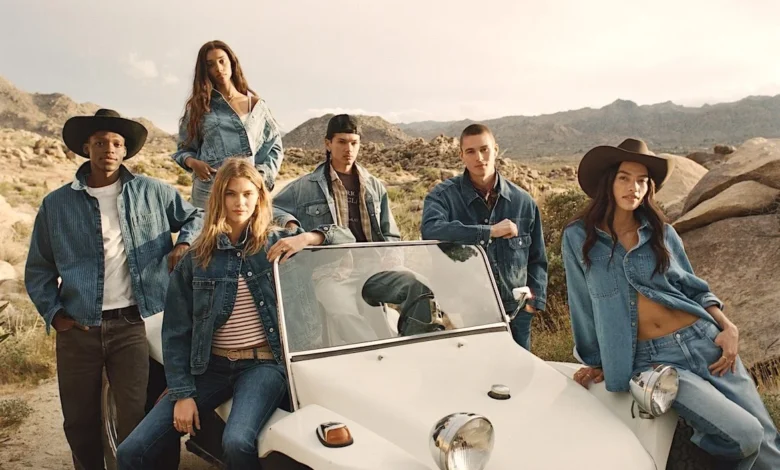
As the critical back-to-school shopping season draws to a close, parent company AEO Inc. has released its financial report for the second fiscal quarter of 2026, revealing a continuation of contrasting trajectories for its two flagship brands. While the intimate apparel and lifestyle brand Aerie maintains an aggressive and sustained growth streak, the iconic denim staple American Eagle continues to navigate a complex structural pivot and sales stagnation. The latest earnings report underscores the challenges and triumphs of managing a diverse retail portfolio in an increasingly competitive, fast-evolving apparel marketplace.
Financial Performance and Second-Quarter Metrics
On Wednesday, AEO Inc. announced that its net revenue for the second fiscal quarter reached $1.38 billion, representing an 8% increase compared to the same period in the previous year. A closer examination of the figures reveals a stark divergence between the corporation’s primary revenue drivers. Comparable sales at Aerie surged by an impressive 19%, continuing a long-term pattern of double-digit expansion. Conversely, comparable sales at American Eagle dipped by 1%, reflecting ongoing headwinds in specific apparel segments.
Beyond core retail operations, AEO Inc. also reported a significant capital boost in the form of a tariff refund totaling $196 million, inclusive of accumulated interest. This financial influx provides the corporation with additional liquidity as it continues to invest in omnichannel capabilities, inventory rebalancing, and high-profile marketing campaigns across both brands.
Leadership Perspectives and Strategic Adjustments
Addressing investors and analysts during Wednesday’s earnings call, AEO Inc. CEO Jay Schottenstein characterized the second quarter as another crucial milestone in the company’s broader strategic evolution.
“We built on the strength of our portfolio, making progress at American Eagle, while Aerie continued to deliver outstanding performance,” Schottenstein stated. Addressing the softer performance of the namesake brand, he added, “We are moving in the right direction, yet there remains work to do.”
Jennifer Foyle, president of Aerie and American Eagle, elaborated on the operational strategies driving the brands. Foyle noted that American Eagle is experiencing sequential improvements within its core denim category, though active intervention and restructuring remain necessary.
“What we are needing to work through right now is just some of the older fits and really just rebalancing our inventory,” Foyle explained, emphasizing that the brand had successfully pivoted toward trend-forward silhouettes such as low-rise styles for the back-to-school season. Furthermore, non-denim bottoms, including utility pants and cargo trousers, performed exceptionally well, acting as a stabilizing force while the denim assortment undergoes comprehensive repositioning.
The Competitive Denim Landscape
The struggles and adjustments within American Eagle’s denim division occur against the backdrop of an intensely competitive retail environment. The back-to-school denim category has experienced compressed timelines in recent years, with rival brands such as Pacsun, Hollister, and American Eagle launching their major marketing and inventory pushes earlier than historical norms.
Industry analysts note that shifting youth consumer preferences—oscillating rapidly between high-rise, baggy, straight-leg, and low-rise fits—have placed immense pressure on traditional denim powerhouses to maintain agile supply chains. American Eagle’s recent inventory overhang of older silhouettes has necessitated aggressive markdowns and strategic rebalancing, a process that executives expect will yield a more modernized product mix by the close of the fiscal year.
Aerie’s Broad-Based Lifestyle Momentum
In sharp contrast to the targeted remediation required at American Eagle, Aerie’s recent performance has been characterized by organic, cross-category expansion. During the second quarter, the brand capitalized on consistent demand across an array of product lines, including everyday tees, tanks, fleece, and casual bottoms.
“Mix and match, summer brights, stripes and a little leopard all worked,” Foyle remarked, highlighting the consumer resonance of the brand’s vibrant aesthetic. Additionally, sports bras and intimates demonstrated robust figures, led in large part by Aerie’s dedicated activewear subsidiary, Offline.
“I love seeing this breadth because it tells us the customer is responding to the complete lifestyle offering, not just one category or one trend,” Foyle added. This diversification has insulated Aerie from single-category downturns, cementing its status as a formidable competitor in the athleisure and loungewear markets.
A Consistent Historical Pattern: Aerie Soars While American Eagle Slides
The dynamic witnessed in the second quarter of fiscal 2026 is part of a broader, established trend for AEO Inc. In May, the corporation reported record-breaking first-quarter revenue for Aerie, fueled by a 25% surge in comparable sales. At the time, results from the core American Eagle brand were described by executives as mixed, marked by a 2% decline in comparable sales.
Financial analysts, including those at Telsey Advisory Group, pointed out that American Eagle’s previous stumbles were heavily concentrated in its women’s bottoms and denim divisions. While the brand has historically commanded significant market share in women’s denim, shifting consumer tastes caught the merchandising team off guard, leading to inventory imbalances that have taken multiple quarters to correct.
A Bright Spot: Sustained Growth in Men’s Apparel
Despite challenges in women’s denim, American Eagle has found a reliable engine for growth within its men’s division. The second quarter marked the fourth consecutive period of positive growth for American Eagle’s men’s collection, which encompasses both tops and bottoms.
“This demonstrates that our focus and strategy to restore top-line growth in the AE men’s business is paying off,” Foyle noted during the earnings call. The steady performance of the men’s segment has provided a crucial counterbalance, preventing deeper declines in the brand’s overall revenue metrics while the women’s assortment undergoes its structural overhaul.
High-Impact Marketing and Campaign Chronology
To capture market share ahead of the critical autumn shopping period, AEO Inc. deployed aggressive, multi-channel marketing strategies for both brands, initiating campaigns earlier in the summer.
American Eagle launched its comprehensive back-to-school campaign on July 22, executing a 10-week marketing blitz that combined experiential mall events, university campus partnerships, and high-profile talent endorsements. The brand enlisted actress Sydney Sweeney, country music singer Ella Langley, and professional footballer Lamine Yamal to front its marketing materials. Furthermore, American Eagle capitalized on social media trends by collaborating with five university sorority chapters to produce viral "RushTok" content across TikTok and Instagram.
Concurrently, Aerie focused its marketing efforts on authentic community building and creator partnerships. In April, the brand launched a specialized influencer program titled “Aerie Realmakers,” which introduced a notable industry stipulation: a strict ban on the use of artificial intelligence in content creation. By championing authentic, unmanipulated imagery, Aerie successfully attracted thousands of applicants, nearly doubling the overall size of its ambassador program by the end of the second quarter.
Forward Guidance and Future Projections
Looking ahead to the third quarter of fiscal 2026, AEO Inc. leadership expressed cautious optimism regarding the company’s financial trajectory. Mike Mathias, former chief financial officer and current strategic adviser to AEO Inc., outlined the corporation’s forward-looking expectations during the earnings presentation.
The company anticipates comparable sales growth in the mid-to-high single digits for the third quarter as a whole. Aerie and the Offline brand are projected to maintain their robust momentum, with expected comparable sales growth in the high-teens to 20% range. Meanwhile, American Eagle is expected to stabilize, with comparable sales projected to remain relatively flat as the brand completes its inventory rebalancing and denim repositioning efforts.
“Gross margin is expected to be similar to last year, with full-year gross margin up year over year,” Mathias stated, underscoring the company’s underlying financial health and disciplined cost management.
Implications for the Broader Retail Industry
The second-quarter results of AEO Inc. offer critical insights into the current state of youth apparel retail. The stark contrast between Aerie’s multi-category lifestyle dominance and American Eagle’s targeted denim remediation highlights the perils of brand stagnation in a trend-driven market. As consumers increasingly favor brands that offer complete lifestyle ecosystems—spanning loungewear, activewear, and intimates—traditional single-category retailers must innovate rapidly to maintain relevance.
Furthermore, the success of Aerie’s anti-AI creator initiative and American Eagle’s influencer-heavy "RushTok" campaigns signal a permanent shift in retail marketing. Authenticity, rapid digital engagement, and agile supply chain management have transitioned from supplementary marketing tactics to absolute prerequisites for survival in the competitive teen and young adult retail sectors. As AEO Inc. navigates the remainder of fiscal 2026, the success of American Eagle’s denim turnaround will ultimately determine whether the parent company can achieve synchronized, portfolio-wide growth.