Uber and Waymo Clash Over D.C. Robotaxi Bill Amidst Uber’s $14.8 Billion Global Delivery Expansion and Evolving Mobility Landscape

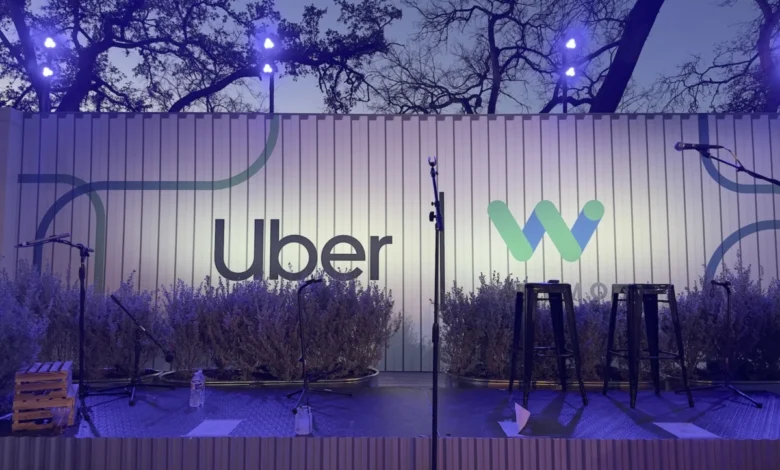
The future of transportation in Washington, D.C., is poised for a significant legislative battle, with tech giants Uber and Waymo locking horns over a proposed bill that would permit autonomous vehicles (AVs) to operate in the nation’s capital. This simmering rivalry, which has intensified behind the scenes and in public discourse, underscores the complex interplay of technological advancement, regulatory policy, and market competition defining the mobility sector. Simultaneously, Uber is making a colossal move to cement its global dominance in delivery services, announcing a $14.8 billion deal to acquire Germany’s Delivery Hero, a transaction that promises to reshape the international logistics landscape while navigating formidable regulatory hurdles. These developments, alongside a flurry of strategic investments and critical safety debates, highlight a dynamic period for an industry increasingly driven by artificial intelligence.
The D.C. Robotaxi Battleground: Uber’s Challenge to Waymo’s Dominance
The D.C. Council is currently evaluating legislation that would allow AVs to begin operations within the city. While seemingly a straightforward step towards modernizing urban transport, the specifics of the bill have ignited a fierce debate, particularly between former partners Uber and Waymo. What began as a strategic alliance—Waymo’s AV technology integrated into Uber’s ride-hailing network—has visibly deteriorated, with the two companies now diametrically opposed on crucial policy points.
Sources close to the D.C. Council’s deliberations reveal that Uber has been actively lobbying against the proposed bill. Uber’s primary contention is that the current draft legislation, if passed, would inadvertently create a de facto monopoly for Waymo. This concern stems from Waymo’s extensive existing operations in Washington, D.C., where it has been testing its autonomous vehicles with human safety operators for an extended period. Waymo has already surpassed the bill’s stringent requirements, including a 180-day and 250,000-mile mandatory testing threshold, effectively positioning it for an immediate six-month head start in the market should the bill pass as written.
Uber argues that the bill, in its current form, would unfairly displace human for-hire drivers, a core component of its existing business model and a significant employment sector. To counter this, Uber has advocated for a "hybrid" system. This proposed framework would mandate that robotaxis operate on a ride-hailing network alongside human drivers. Uber’s vision is one where AV developers like Waymo would have two primary choices: either integrate their autonomous fleets into existing ride-hailing platforms such as Uber’s, or incur the substantial costs and operational complexities of employing human drivers to complement their robotaxi operations—vehicles that represent years of development and hundreds of millions of dollars in investment.
However, industry insiders suggest that Uber’s "hybrid" approach faces an uphill battle, with little likelihood of being enacted into law. The D.C. Council’s recent hearing on the matter underscored the complexity of the issue, drawing a diverse array of stakeholders. Representatives from major mobility players like Lyft, Tesla, Uber, and Waymo were present, alongside dozens of disability rights and accessibility advocates, local business and industry groups, highway safety organizations, government officials, labor unions, and various think tanks. This broad participation reflects the multifaceted impact of autonomous vehicle deployment on urban life, from economic implications for drivers to safety concerns and accessibility for diverse populations.
Public testimony and subsequent industry reactions indicate that Waymo stands as one of the few companies generally in favor of the bill’s current structure, largely due to its advantageous position. In stark contrast, much of the wider AV industry expresses significant reservations. Tesla, through its senior policy adviser India Herdman, voiced concerns mirroring those heard from multiple AV developers. These objections specifically target the bill’s high barriers to entry, including the aforementioned 180-day, 250,000-mile mandatory testing requirement, a steep $1 million application fee, a $5 million permit fee, and an ongoing $0.15-per-mile tax. Companies like Tesla contend that testing miles accumulated in other jurisdictions should be recognized and count towards the D.C. mileage threshold, arguing for a more unified and less burdensome regulatory environment across states.
The implications of this D.C. legislative debate extend beyond the immediate interests of Uber and Waymo. It sets a critical precedent for how cities balance innovation with public interest, competition, and labor concerns. Should Waymo gain an early monopoly, it could stifle competition and innovation from other players in the D.C. market. Conversely, Uber’s "hybrid" model, if adopted, could significantly alter the operational strategies and cost structures for all AV developers, potentially slowing the deployment of fully autonomous services by forcing integration with human-driven platforms. The outcome in D.C. will likely influence future AV legislation in other major U.S. cities grappling with similar questions, making this a pivotal moment for autonomous mobility regulation.
Uber’s Global Ambitions: A $14.8 Billion Bet on Delivery Hero
While engaged in a critical policy battle on its home turf, Uber is simultaneously executing a massive strategic play to expand its global footprint in the delivery sector. The company has announced a colossal $14.8 billion deal to acquire Delivery Hero, a Germany-based online food and grocery delivery service with extensive operations across Europe, the Middle East, Latin America, and Asia. This acquisition, if finalized, would nearly double Uber’s global delivery reach, integrating Delivery Hero’s operations in nearly 100 markets where Uber Eats currently does not have a presence.

This move underscores Uber’s long-term strategy to diversify its revenue streams beyond traditional ride-hailing and to consolidate its position as a dominant player in the broader logistics and delivery ecosystem. The delivery segment has witnessed explosive growth, particularly in recent years, becoming a cornerstone of many tech giants’ business models. By acquiring Delivery Hero, Uber aims to capitalize on this trend, gaining access to new customer bases and operational scale in regions with high growth potential for online delivery services.
The deal, however, is far from a done deal. Given its sheer size and international scope, it is expected to face intense scrutiny from regulatory bodies across numerous jurisdictions. Antitrust concerns, particularly regarding market concentration in specific regions, will likely be a major hurdle. Regulators will assess the potential impact on competition, consumer choice, and pricing in the food and grocery delivery markets within the affected countries. The process of overcoming these regulatory obstacles is anticipated to be lengthy and complex.
In a related but separate transaction, Delivery Hero has also agreed to sell its operations in 14 markets where Uber Eats already has a strong presence. This divestment, valued at $1.6 billion, will go to New York-based investment firm SSW Partners. This strategic carve-out appears designed to pre-empt some potential antitrust concerns by reducing market overlap in certain areas, thereby streamlining the overall acquisition process for Uber.
The acquisition reflects a broader trend of consolidation within the competitive online delivery market. Companies are seeking economies of scale, wider geographic coverage, and diversified service offerings (e.g., grocery, pharmacy, general retail delivery) to achieve profitability and maintain market leadership. For Uber, this acquisition is not just about expanding geographically; it’s about cementing its status as an indispensable platform for both ride-hailing and a comprehensive range of delivery services, leveraging its technological infrastructure and brand recognition on a truly global scale.
Investment Landscape: Key Deals Shaping Mobility Tech
Beyond the headline-grabbing maneuvers of industry titans, the mobility tech sector continues to attract significant investment, fueling innovation across various sub-segments:
-
Self Inspection’s AI-Powered Vehicle Inspections: San Diego-based startup Self Inspection successfully raised $10 million in a funding round led by the family office of Sheryl Sandberg, the former COO of Meta. The company aims to revolutionize the traditionally manual and often inefficient vehicle inspection process through AI. Strategic investments from tire distributor U.S. AutoForce and automotive lender Westlake Financial underscore the industry’s recognition of the potential for AI to enhance efficiency, reduce costs, and improve accuracy in vehicle maintenance and assessment. Early-stage funds such as Costanoa Ventures, Rebellion Ventures, and BrightCap Ventures also participated, signaling strong confidence in Self Inspection’s disruptive potential. This investment highlights a growing trend towards digitizing and automating ancillary services within the automotive ecosystem.
-
Senra’s Modernization of Wire Harness Manufacturing: Senra, a startup founded by a SpaceX veteran, secured a substantial $65 million in a Series B funding round. Co-led by Lowercarbon and Interlagos, with participation from General Catalyst, Sequoia Capital, Andreessen Horowitz, and Founders Fund, this investment targets a critical yet often overlooked aspect of modern vehicle manufacturing: wire harnesses. These complex networks of wires are vital for the functionality of electric vehicles (EVs) and autonomous vehicles, yet their production remains largely labor-intensive and rooted in Cold War-era techniques. Senra’s mission to modernize this process holds significant implications for the efficiency, cost-effectiveness, and reliability of next-generation vehicles, particularly as vehicle architectures become increasingly complex and software-defined.
-
Zepto’s IPO Valuation Challenges: The Indian fast-delivery company Zepto is reportedly facing a significantly lower valuation for its upcoming initial public offering (IPO) compared to its previous peak valuation of $7 billion. This development, reported by Bloomberg citing anonymous sources, reflects a broader market recalibration for high-growth, often unprofitable, tech companies. While demand for rapid delivery services remains strong in burgeoning markets like India, investors are increasingly prioritizing clear paths to profitability and sustainable business models over pure growth metrics. Zepto’s experience underscores the more conservative investment climate now prevailing in global public markets for tech IPOs.
Mobility Innovations and Regulatory Flashpoints
The broader mobility landscape is also marked by a continuous stream of technological advancements and critical regulatory and safety discussions:

-
New EV Concepts from Chip Motors: Miami-based startup Chip Motors unveiled a low-speed, small electric vehicle designed for short errands and families. The vehicle incorporates some automated driving capabilities, indicating a niche market for compact, semi-autonomous urban transport solutions that prioritize convenience and efficiency for local travel.
-
LAPD Ends Contract with Flock Safety Amid Privacy Concerns: The Los Angeles Police Department (LAPD) has reportedly allowed its contract with Flock Safety to expire. Flock Safety is a surveillance company that provides license plate recognition cameras used by law enforcement across the United States to track vehicles. The decision by the LAPD was reportedly driven by "serious concerns over civil liberties and privacy," highlighting the ongoing tension between technological capabilities for public safety and the imperative to protect individual rights and data privacy. This move could set a precedent for other municipalities re-evaluating their partnerships with surveillance technology providers.
-
Lucid Motors Denies Bankruptcy Rumors: EV manufacturer Lucid Motors aggressively pushed back against a report claiming the company was considering filing for Chapter 11 bankruptcy. The company’s communications team, its CEO, and an official filing with the U.S. Securities and Exchange Commission all emphatically denied the rumors. The initial report caused Lucid’s stock to plummet by over 50% in its biggest intra-day drop ever, illustrating the fragility of investor confidence in the highly capital-intensive and competitive EV market. The stock has since recovered, trading about 28% higher than its pre-drop value, but the incident underscores the intense scrutiny and market volatility faced by emerging automotive players.
-
Lyft’s Competitive Stance: Lyft CEO David Risher reportedly referred to his company as the "Good Uber," a remark that encapsulates the ongoing competitive rivalry in the ride-hailing sector. This attempt to differentiate Lyft by emphasizing a potentially more ethical or driver-friendly image highlights the strategic efforts of companies to attract and retain both customers and drivers in a market often criticized for its labor practices and pricing strategies.
-
The Decline of Manual Transmissions: Preliminary government data for 2025 indicates a significant decline in the prevalence of manual transmission vehicles in the U.S. market, with only 0.6% of new vehicles featuring stick shifts. This statistic confirms the gradual phasing out of manual gearboxes, driven by the increasing popularity of automatic transmissions, the rise of electric vehicles (which typically have single-speed transmissions), and evolving consumer preferences. For enthusiasts, this signals the near end of an era in driving.
-
Autonomous Vehicle Safety and Accountability:
- Tesla FSD Crash Investigation: The National Transportation Safety Board (NTSB) confirmed that the driver of a Tesla involved in a fatal crash in Texas in June had pressed the accelerator pedal to 100%, overriding the company’s Full Self-Driving (Supervised) software. This finding is crucial in the ongoing debate about the responsibilities of human drivers when operating vehicles equipped with advanced driver-assistance systems (ADAS) or partial automation. It reinforces the importance of driver attentiveness and the limitations of current "supervised" autonomous technologies, even as manufacturers push the boundaries of automation.
- Zoox Software Recall: Zoox, Amazon’s autonomous vehicle subsidiary, issued a software recall after one of its robotaxis became "confused" by heavy smoke emanating from an emergency fire scene in June. This incident highlights the challenges autonomous systems face with "edge cases"—unusual or unpredictable environmental conditions that can confuse sensors and algorithms. Software recalls are a standard part of addressing such issues in the rapidly evolving AV industry, emphasizing the iterative nature of development and deployment.
-
San Francisco’s Push for Stricter Robotaxi Rules: Following an incident on July 4 where Waymo robotaxis became immobile in heavy traffic, ran out of power, and blocked key streets, compounding gridlock, San Francisco Mayor Daniel Lurie urged state regulators to toughen rules on autonomous vehicles. In a letter, Mayor Lurie outlined four core requirements he believes are necessary to ensure robotaxi companies can "perform reliably" during extraordinary events. This call for stricter oversight underscores public and municipal concerns about the operational readiness and resilience of AV fleets, particularly in emergency situations or complex urban environments. It directly ties into the broader regulatory debates seen in D.C. and elsewhere, advocating for robust performance standards before widespread deployment.
-
SpaceX Starship Launch Abort: SpaceX abruptly aborted the second attempted launch of its upgraded Starship rocket system. The incident occurred moments after the booster ignited at the company’s complex in South Texas. While not directly related to terrestrial mobility, this event showcases the inherent challenges and precision required in advanced aerospace engineering, a field that often shares technological synergies and talent pools with the autonomous vehicle and high-tech mobility sectors.
Thought Leadership: Uber’s Product Strategy and the Future of AI in Mobility
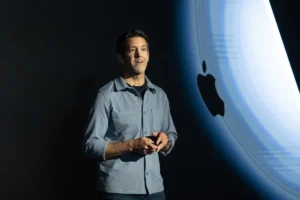
In a recent interview on the Strictly VC podcast, Uber’s Chief Product Officer, Sachin Kansal, engaged with TechCrunch EIC Connie Loizos to discuss a wide range of topics, including travel, the role of AI agents, and Uber’s strategy in navigating the burgeoning robotaxi race. Kansal elaborated on how Uber views its platform as more than just a ride-hailing or delivery service, envisioning it as a comprehensive travel assistant, potentially leveraging AI to anticipate user needs and streamline journeys. His insights into "playing both sides" of the robotaxi race—by both developing its own AV capabilities and partnering with external AV developers like Waymo (though that partnership is now strained)—underscore Uber’s pragmatic and multifaceted approach to integrating autonomous technology. The discussion highlighted Uber’s strategic focus on being an agnostic platform that can seamlessly integrate various modes of transportation, including human-driven and autonomous vehicles, to offer the most efficient and user-friendly experience.
The mobility sector stands at a critical juncture, characterized by intense technological innovation, aggressive market expansion, and a complex web of regulatory challenges. The D.C. robotaxi debate and Uber’s massive Delivery Hero acquisition are emblematic of an industry in flux, where companies are not only competing for market share but also shaping the very rules that will govern the future of transportation and logistics. As AI continues to embed itself deeper into these systems, the ongoing dialogues around safety, ethics, and economic impact will remain central to determining how these transformative technologies are integrated into daily life.