Unpredictable Seas: Global Supply Chains Abandoning Seasonal Shipping for Opportunistic Movement

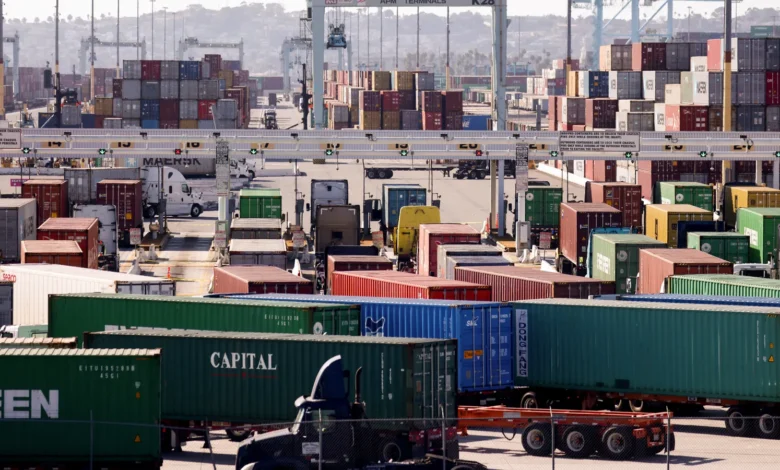
The global landscape of ocean shipping is undergoing a significant transformation, as companies increasingly pivot away from traditional seasonal patterns in favor of a more opportunistic and responsive approach to cargo movement. This strategic shift, highlighted by Port of Los Angeles Executive Director Gene Seroka during a July 15 media briefing, signals a new era where businesses prioritize agility over predictable schedules, reacting to prevailing market conditions rather than adhering to long-established calendars. Instead of waiting for what were once considered "perfect conditions" dictated by seasonal demand, retailers and manufacturers are now seizing any favorable opening to move goods, balancing immediate needs against a complex web of economic and geopolitical uncertainties.
This proactive stance is a direct response to a volatile global environment, where tariffs, escalating fuel costs, and broader geopolitical instability create an imperative for strategic decision-making. Seroka elaborated, stating that retailers are meticulously weighing back-to-school and holiday demand against these formidable headwinds. The result has been a notable acceleration in cargo volumes, particularly at major gateways like the San Pedro Bay Port Complex, comprising the Ports of Los Angeles and Long Beach, which have experienced an early and robust peak season as companies "frontload" cargo to mitigate future risks and hedge against ongoing supply chain disruptions.
Shifting Dynamics in Global Trade: A New Normal
For decades, international ocean shipping operated on a largely predictable cycle. Manufacturers in Asia would ramp up production for North American and European markets in late summer, anticipating the crucial back-to-school season, followed by the much larger holiday shopping rush in the fall. This rhythm allowed shipping lines to plan capacity, ports to manage labor and equipment, and retailers to stock shelves well in advance. However, the events of the past few years, from the COVID-19 pandemic’s initial disruptions to subsequent geopolitical tensions and inflationary pressures, have shattered this predictability.
The current environment is characterized by a "just-in-case" inventory strategy replacing the once-dominant "just-in-time" model. Businesses, having experienced stockouts and lengthy delays, are now prioritizing inventory resilience. This means moving goods whenever capacity is available, even if it falls outside traditional windows, to ensure shelves remain stocked and production lines keep running. The implications are profound, affecting everything from warehouse space utilization to the scheduling of port labor and the overall stability of freight rates. The ability to adapt quickly, to reroute or expedite shipments based on real-time data, has become a critical competitive advantage.
Record-Breaking Volumes Signal an Early Peak
The impact of this strategic shift is vividly illustrated by the recent performance of the Port of Los Angeles. In June, the port processed an astonishing 1,002,734 Twenty-foot Equivalent Units (TEUs), marking its best June in its 118-year history. This monumental achievement represents a 12% increase year-over-year, underscoring the intensity of current shipping activities. Loaded imports, a key indicator of consumer demand and industrial activity, surged by 13% year-over-year to 530,558 TEUs. While loaded exports remained flat year-over-year at 126,365 TEUs, the significant increase in empty container units, up 17% to 345,811 TEUs, further highlights the rapid cycling of containers through the port to meet demand for outbound cargo.
These figures are not isolated. The neighboring Port of Long Beach also reported substantial growth in June, processing nearly 780,000 TEUs, an impressive 10.6% increase compared to the previous year. On the import side, Long Beach saw an 11% year-over-year rise, reaching 387,025 TEUs. These combined performances for the San Pedro Bay Port Complex indicate a robust inflow of goods, reflecting aggressive frontloading by businesses across various sectors.
The momentum is expected to continue into July, with cargo volumes at the Port of Los Angeles forecast to exceed 900,000 TEUs, reinforcing expectations of another exceptionally strong month for import activity. This sustained high volume, well ahead of the traditional autumn peak, strains port infrastructure and supply chain logistics but also demonstrates the determined efforts of businesses to secure inventory.
Behind the Surge: Drivers of Frontloading and Strategic Imperatives
Several critical factors are converging to drive this "early peak season" phenomenon:
-
Anticipation of Tariffs: A significant catalyst for the current frontloading trend is the impending expiration of Section 122 tariffs on July 24. These tariffs, which can impose additional duties on imported goods, create considerable uncertainty for businesses. While the specifics of Section 122 tariffs can vary, they generally refer to duties imposed by presidential authority under certain trade acts, often in response to perceived unfair trade practices. The looming deadline forces importers to accelerate shipments to avoid potential new or reinstated tariffs that could significantly increase costs and impact profit margins. Retailers, in particular, are keen to bring in goods at current tariff rates rather than risk higher costs post-expiration. The temporary nature of these tariffs often prompts a rush to clear customs before the deadline, regardless of traditional seasonality.
-
Rising Fuel Costs: Fuel represents a substantial portion of a vessel’s operational cost, often exceeding 30% of a voyage’s total expenses. Global oil market volatility, exacerbated by geopolitical events, directly translates into higher shipping costs. Ocean carriers, facing these increased expenses, typically implement fuel surcharges (Bunker Adjustment Factors – BAFs) to offset the fluctuations. Seroka noted that these surcharges are often adjusted upwards quickly in response to rising prices but tend to lag in their reduction when fuel prices decline, keeping overall transportation costs elevated for longer periods. This inherent cost uncertainty encourages businesses to ship sooner rather than later, locking in current freight rates before potential surcharge increases.
-
Global Supply Chain Uncertainty: Beyond tariffs and fuel, a broader sense of instability permeates global supply chains. Geopolitical tensions in critical shipping regions, exemplified by recent Red Sea disruptions affecting the Suez Canal route, force rerouting of vessels, adding weeks to transit times and significantly increasing costs and insurance premiums. While the original article referenced an "Iran war" in a somewhat ambiguous context, the broader impact of Middle East instability on key maritime chokepoints is undeniable. Additionally, labor negotiations at ports, potential natural disasters, and ongoing capacity constraints in certain segments of the logistics network contribute to a pervasive sense of unpredictability. Businesses are, therefore, prioritizing resilience and redundancy, even if it means incurring higher immediate shipping costs.
The Shadow of Uncertainty: Beyond July
Despite the strong performance in June and projected robust volumes for July, the outlook beyond the immediate future becomes "a little harder to read," as Seroka acknowledged. The expiration of Section 122 tariffs on July 24 is a pivotal point. Depending on whether these tariffs are extended, modified, or allowed to lapse, the flow of goods could shift dramatically. A lapse might temporarily reduce costs, while an extension or new tariffs could trigger another wave of frontloading or, conversely, a slowdown as businesses reassess strategies.
The ongoing impact of geopolitical tensions, particularly those affecting critical maritime routes, remains a significant wildcard. Any escalation could lead to further rerouting, delays, and spikes in fuel and insurance costs, disrupting established trade lanes and adding layers of complexity to logistics planning. The dynamic nature of global energy markets also means that fuel costs could fluctuate unpredictably, directly impacting carriers’ operational expenses and, consequently, shippers’ freight rates.
Strategic Responses and Future Outlook
In response to this fluid environment, the Port of Los Angeles is proactively preparing for various contingencies. Seroka highlighted that the port’s operations teams, encompassing both import and export functions, are continuously running simulation exercises. These simulations model different scenarios, such as the introduction of new tariffs or significant spikes in fuel prices. Following these exercises, teams reconvene to strategize and determine the most effective ways to handle any new developments, ensuring operational readiness and adaptability. This approach reflects a broader industry trend towards data-driven decision-making and predictive analytics to navigate unprecedented levels of uncertainty.
The retail community’s decision to advance shipments and build inventories underscores the high stakes involved. "This is part of the reason why you saw the retail community advance shipments and inventories because they just don’t know what’s going to happen with any level of specificity after these Section 122s expire," Seroka explained. This lack of clear visibility into future trade policy necessitates a cautious and proactive stance, often leading to increased warehousing costs but perceived as a necessary safeguard against potential supply chain shocks.
Broader Economic and Supply Chain Implications
The shift away from seasonal shipping has far-reaching implications for the global economy and the entire supply chain ecosystem:
-
For Retailers and Manufacturers: The emphasis on opportunistic shipping places a greater burden on inventory management. Companies must find a delicate balance between holding enough stock to meet demand and avoiding excessive inventory that ties up capital and incurs storage costs. It also necessitates more flexible production schedules and tighter coordination with logistics partners.
-
For Shipping Carriers: Ocean carriers face the challenge of managing capacity in a less predictable environment. While high volumes are currently beneficial, the lack of traditional seasonal peaks could lead to more volatile demand patterns, requiring dynamic pricing strategies and flexible fleet deployment. The ability to quickly adjust fuel surcharges and manage operational costs will be paramount.
-
For Ports and Intermodal Infrastructure: Ports must adapt to potentially sustained high volumes or sudden surges, requiring robust infrastructure, efficient labor management, and seamless integration with rail and trucking networks. Investments in automation and digital technologies become even more critical to enhance throughput and minimize dwell times. The increased movement of empty containers also highlights challenges in repositioning equipment efficiently.
-
For Consumers: Ultimately, these shifts can impact consumer prices. Higher fuel costs, potential tariffs, and increased inventory holding costs can all be passed down the supply chain, contributing to inflationary pressures on goods. Supply chain stability, or the lack thereof, directly influences product availability and pricing at the retail level.
-
Long-term Outlook: While the current scenario is driven by immediate uncertainties, it may also represent a fundamental, long-term evolution in global trade. Businesses may permanently adopt more flexible, data-driven shipping strategies, making traditional seasonality a relic of the past. This would necessitate ongoing adaptation across all facets of the global logistics industry, fostering a more resilient but potentially more complex and cost-intensive supply chain.
In conclusion, the current landscape of ocean shipping is a testament to the resilience and adaptability of global trade. While record volumes at key ports like Los Angeles and Long Beach signal robust activity, they simultaneously underscore the deep-seated uncertainties driving businesses to rethink their fundamental logistics strategies. As the industry navigates the expiration of tariffs, volatile fuel markets, and persistent geopolitical tensions, the ability to operate with agility and foresight will define success in the unpredictable seas of global commerce.