US Treasury Department Financial Crimes Enforcement Network Confirms Cybersecurity Breach and System Outages

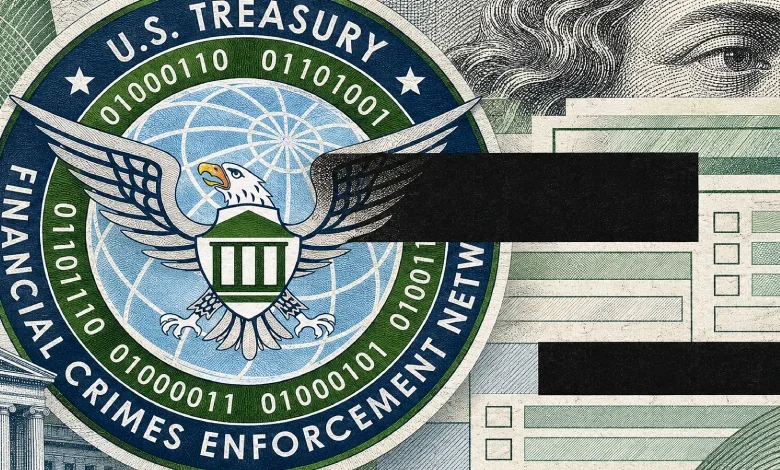
The United States Department of the Treasury’s Financial Crimes Enforcement Network (FinCEN) has officially confirmed that it sustained a cybersecurity incident resulting in unauthorized access to a limited subset of its internal systems. The disclosure, made on Tuesday, November 25, 2026, comes in the wake of prolonged service disruptions that had hindered the nation’s financial institutions from submitting critical regulatory documentation. As a precautionary measure, the bureau has taken select systems offline to conduct forensic analysis and mitigate further risk to the integrity of its infrastructure.
FinCEN serves as a vital component of the United States’ national security and financial integrity apparatus. Tasked with the administration of the Bank Secrecy Act (BSA), the bureau acts as the primary repository for Suspicious Activity Reports (SARs) and Currency Transaction Reports (CTRs). These filings are essential tools in the global effort to combat money laundering, terrorist financing, and other illicit financial schemes. The compromise of a system housing such sensitive data represents a significant escalation in the ongoing struggle between state-sponsored threat actors and federal regulatory bodies.
Chronology of the Disruption
The timeline of the incident suggests that the breach may have been preceded by technical instability within FinCEN’s digital architecture. According to reports from market intelligence outlets and filing providers, systematic failures in automated batch submission processes began as early as November 18, 2026. These disruptions initially appeared to be isolated technical glitches, but as the week progressed, the frequency and severity of the outages prompted widespread concern among financial institutions mandated to adhere to strict filing deadlines.
By late last week, the bureau issued a formal notice acknowledging disruptions to its Secure Data Transfer Module (SDTM). However, the explicit link between these technical failures and the unauthorized access incident was only clarified by the bureau’s official announcement on Tuesday. While the bureau has not definitively confirmed that the intrusion was the direct cause of the earlier outages, the coincidence of timing has led cybersecurity analysts to monitor the situation closely.
To mitigate the impact on the financial sector, FinCEN issued a relief order, designated FIN-2026-R002. This administrative action provides a temporary extension for financial institutions unable to meet their filing obligations due to the system failures. Any reports originally slated for submission between November 18 and December 29 are now granted an extension until December 30, 2026.
The Role and Sensitivity of FinCEN Data
The data managed by FinCEN is categorized among the most sensitive in the financial world. Banks, credit unions, casinos, and money service businesses rely on the BSA E-Filing system to transmit millions of records annually. These records contain detailed information regarding the financial movements of individuals and entities that have been flagged for potential criminal activity.
If unauthorized parties were able to exfiltrate this data, the implications could be severe. A successful breach of this nature provides a roadmap for criminal organizations to identify which of their illicit activities have been uncovered by federal authorities. Furthermore, the exposure of informant identities or ongoing undercover financial investigations could compromise the safety of individuals and the efficacy of domestic law enforcement operations.
As of this writing, FinCEN has not disclosed the nature of the data potentially accessed, nor has it identified the specific systems compromised. The bureau maintains that the primary BSA E-Filing website remains operational, though intermittent service interruptions may occur as the agency continues its remediation efforts.
Broader Context of Federal Cybersecurity Risks
The current incident at FinCEN is not an isolated event but rather the latest in a series of cyber-attacks targeting the U.S. government’s financial and administrative infrastructure. The U.S. Treasury Department, in particular, has been a frequent target of advanced persistent threat (APT) groups.

In December 2024, the Department experienced a significant breach when a China-linked threat actor exploited a compromised API key belonging to BeyondTrust. That incident allowed attackers to infiltrate Treasury systems, potentially exposing internal documents and communications. While officials have not suggested a link between the 2024 breach and the current FinCEN incident, the recurring nature of these intrusions highlights a persistent vulnerability in the digital perimeter of federal agencies.
The threat landscape for government agencies is characterized by a high volume of reconnaissance activity, where adversaries—often state-affiliated—scan for vulnerabilities in supply chain software, third-party APIs, and legacy systems. The complexity of the software ecosystem supporting federal agencies means that even minor security oversights can be leveraged to gain deep access to sensitive networks.
Official Response and Operational Continuity
Despite the ongoing investigation, FinCEN has taken steps to ensure that the flow of critical intelligence to law enforcement remains uninterrupted. The bureau has explicitly reminded financial institutions that the legal requirement to monitor for and report suspicious transactions remains in full force.
To ensure that urgent, time-sensitive information is not lost during the system downtime, the bureau has directed institutions to utilize the Financial Institutions Hotline (1-866-556-3974). This channel, which operates outside the affected digital infrastructure, serves as an emergency conduit for reporting imminent threats or time-critical criminal activity. By keeping this hotline active, FinCEN aims to prevent a complete "intelligence blackout" while its primary digital reporting systems undergo restoration.
The relief order, while necessary for operational continuity, places an additional burden on compliance departments across the nation. Financial institutions must now reconcile their internal records with the extended deadlines while ensuring that their own internal cybersecurity protocols remain robust enough to prevent any secondary exploitation of the current uncertainty.
Implications and Future Outlook
The silence from the bureau regarding the identity of the perpetrators—or even whether data was exfiltrated—is standard for ongoing federal investigations but has fueled speculation within the cybersecurity community. Given the nature of the data involved, experts suggest that this could be the work of a sophisticated nation-state actor seeking intelligence for espionage purposes rather than simple financial gain.
The incident underscores the urgent need for a more resilient, decentralized, and hardened infrastructure for federal financial oversight. As financial systems become increasingly digitized, the target surface for attackers grows exponentially. The transition to cloud-based reporting systems, while offering efficiency, requires a paradigm shift in how government agencies approach "Zero Trust" security models.
For the broader financial sector, the event serves as a stark reminder of the risks associated with centralized reporting repositories. Compliance officers are now tasked with reviewing their contingency plans and assessing the risk posed by the potential exposure of their past filings.
In the coming weeks, as the bureau moves from the emergency response phase to a formal investigation and remediation phase, more details are expected to emerge. Congressional oversight committees are likely to demand a full accounting of the breach, including a detailed analysis of how the unauthorized access was achieved and what measures will be implemented to prevent a recurrence.
Until then, the focus remains on stabilizing the BSA E-Filing system and ensuring that the financial institutions that form the backbone of the United States’ anti-money laundering regime can continue their work. The stability of the U.S. financial system relies on the public’s confidence in the secrecy and integrity of these reports, making the resolution of this cybersecurity crisis a matter of national priority. Whether the incident was the result of a zero-day exploit, a compromised credential, or a supply chain vulnerability, the incident will undoubtedly force a comprehensive review of the security posture of the Treasury’s entire digital ecosystem.
Related posts: