Shark Beauty Secures Title Sponsorship for Inaugural Women’s Champions Classic as Women’s Basketball Market Explodes

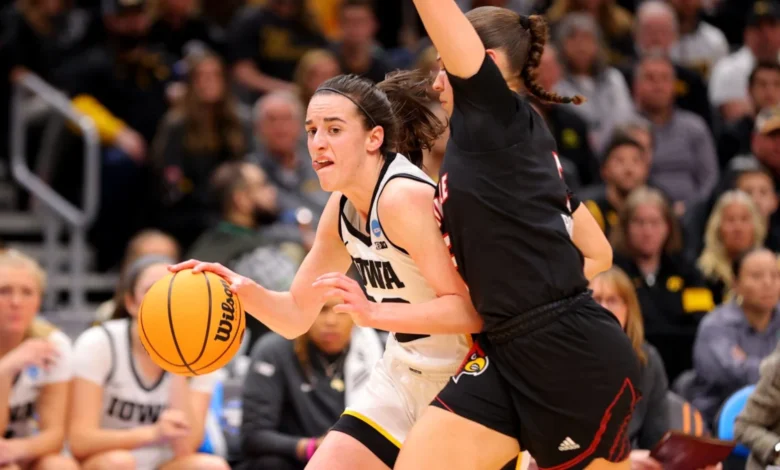
The landscape of professional and collegiate athletics is undergoing a seismic shift, driven by the unprecedented surge in interest surrounding women’s basketball. In a move that underscores this commercial momentum, Horizon Sports & Experiences (HS&E) has officially announced that Shark Beauty will serve as the title sponsor for the inaugural Shark Beauty Women’s Champions Classic. The high-profile event, which is set to be broadcast on Fox, marks a strategic milestone for both the organizers and the beauty industry, signaling a departure from traditional advertising models in favor of direct engagement with the rapidly expanding demographic of women’s sports fans.
A New Stage for Collegiate Titans
The Women’s Champions Classic is slated for December 7 at the Barclays Center in Brooklyn, New York. The event is positioned as an elite early-season showcase, featuring four of the most storied programs in the history of the sport: the University of Iowa, the University of Connecticut (UConn), the University of Louisville, and the University of Tennessee.
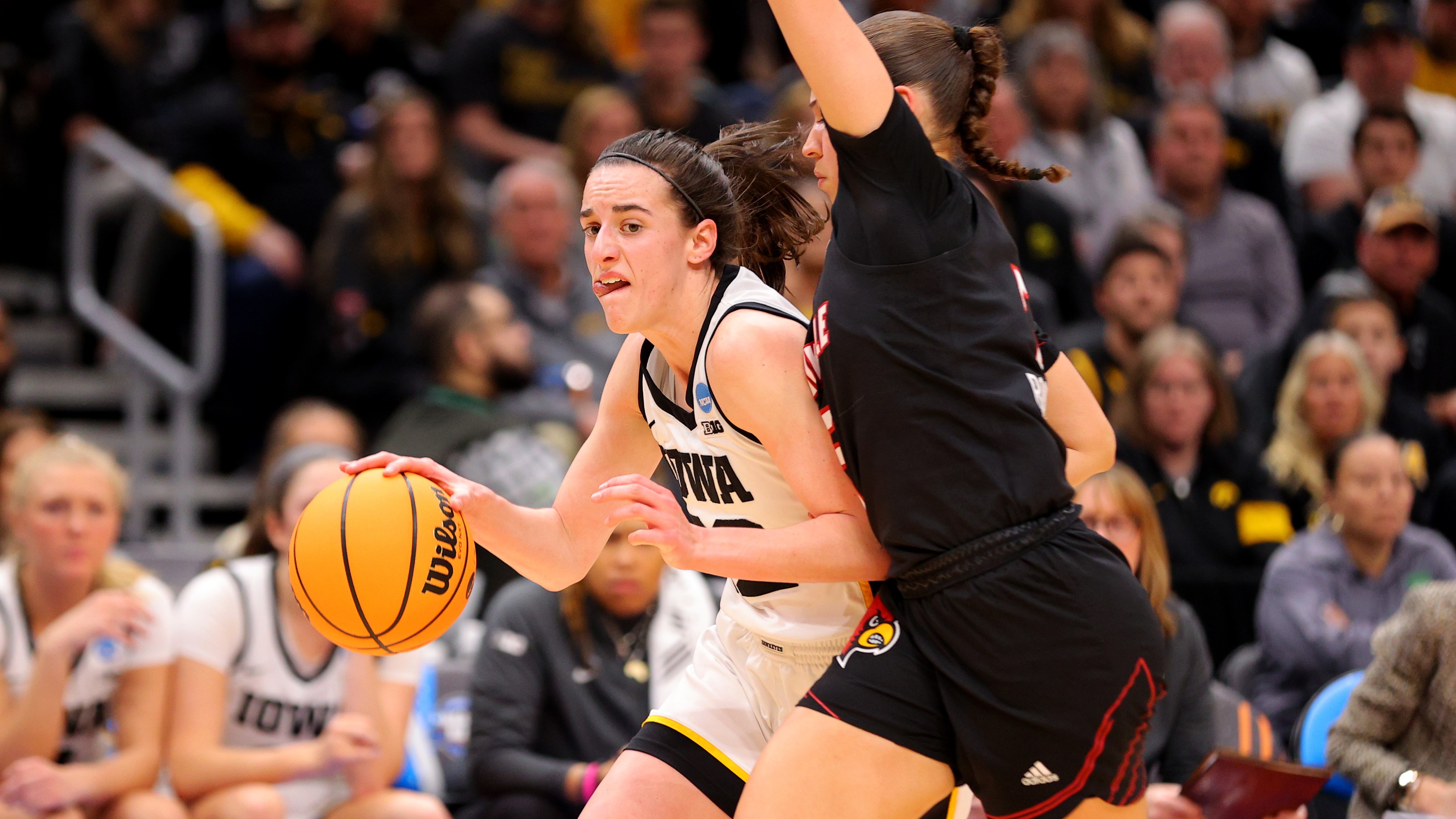
The inclusion of the University of Iowa is particularly notable. Following the collegiate career of WNBA rookie sensation Caitlin Clark, the Hawkeyes have become a focal point for national media attention. Clark’s tenure at Iowa was instrumental in shattering viewership records, with her final season culminating in a NCAA championship game that drew over 18 million viewers, effectively changing the economic ceiling for women’s collegiate sports. By anchoring the event with programs like UConn—a perennial powerhouse with 11 national titles—and the consistent competitive excellence of Louisville and Tennessee, organizers have ensured a product that will draw significant viewership and in-arena attendance.
Chronology of the Deal and Event Development
The creation of the Champions Classic represents the culmination of efforts by David Levy, co-CEO of HS&E, and his team in collaboration with Fox Sports. The partnership was designed to capitalize on the "Caitlin Clark effect" and the broader trend of increased media rights valuations for women’s athletics.

- Mid-2023: Initial discussions regarding an early-season "marquee" tournament for women’s college basketball begin as industry analysts note the massive uptick in interest during the 2023 NCAA tournament.
- Early 2024: HS&E and Fox Sports finalize the framework for the Women’s Champions Classic, aiming to place the event in a major media market to maximize exposure.
- Mid-2024: Negotiations with potential title sponsors begin, shifting focus toward non-traditional sports sponsors, specifically brands that cater to the primary demographic of the sport’s burgeoning fan base.
- Late 2024: Shark Beauty is officially signed as the title sponsor in a multiyear agreement, setting the stage for the December 7 debut at the Barclays Center.
Data-Driven Growth in Women’s Athletics
The sponsorship of the Women’s Champions Classic by a beauty brand is not a random occurrence; it is the result of rigorous data analysis regarding consumer behavior. Industry reports indicate that the viewership for women’s basketball has become increasingly diversified. According to recent Nielsen data, the 2024 WNBA season saw double-digit growth in ratings across all demographics, with women aged 18–49 representing a significant portion of the growth.
Furthermore, the advertising spend for women’s sports is expected to reach record levels by the end of the 2025 fiscal year. Historically, sports sponsorships were dominated by categories such as automotive, financial services, and quick-service restaurants. However, as the audience for women’s sports grows, brands like Shark Beauty—which focuses on hair care and styling technology—are finding that the "fan engagement" metrics in women’s sports often outperform those in traditional primetime entertainment slots. By securing a title sponsorship, Shark Beauty gains not only in-arena signage but also comprehensive digital integrations, broadcast mentions, and, crucially, access to a highly engaged, younger, and more diverse audience.
Official Perspectives on the Partnership
The signing of this agreement has been hailed by leadership on both sides as a landmark moment. David Levy of HS&E emphasized that the move is a direct response to changing market dynamics. "There has been tremendous excitement around the inaugural Women’s Champions Classic, and we’re thrilled to announce our landmark sponsorship agreement with Shark Beauty," Levy said in a statement. "This represents a significant shift, as brands in this category have historically focused their sponsorship dollars on traditional primetime entertainment television. As the popularity of women’s basketball continues to soar, new avenues for engagement and enhanced return on investment have emerged."
Levy’s assessment is supported by the changing strategy of brands that have traditionally eschewed sports. Shark Beauty’s involvement suggests a pivot toward "lifestyle sports" marketing. Petra Oman, VP of global marketing at Shark Beauty, noted that the company’s decision was rooted in the desire to align with the momentum of the women’s game. "This first-of-its-kind early-season women’s tournament in New York City provides the type of national spotlight that will continue to elevate the women’s game, and we are thrilled to be on the ground floor to help further its momentum," Oman stated. She added that for Shark Beauty, the event serves as a platform to introduce innovative products to a demographic that values both athletic performance and personal care.
Broader Implications and Future Outlook
The success of the Women’s Champions Classic will likely serve as a bellwether for the future of collegiate sports marketing. If the event achieves high ratings on Fox and maintains strong ticket sales in Brooklyn, it will likely trigger a wave of interest from other non-endemic brands seeking to capture the loyalty of women’s sports fans.
The implications for university athletic departments are also profound. Historically, top-tier women’s basketball programs relied heavily on general university funding or athletic department subsidies. However, the rise of independent, third-party events like the Champions Classic allows these programs to participate in revenue-sharing models that are more akin to professional league structures. This financial independence allows schools to invest more heavily in coaching, recruiting, and player development, further solidifying the virtuous cycle of growth.
Moreover, the presence of major sponsors like Shark Beauty helps normalize the commercial viability of women’s sports at a level previously reserved for men’s tournaments. For years, the "revenue gap" between men’s and women’s sports was cited as a barrier to investment. That narrative is now effectively being dismantled by the numbers. As brands recognize that the ROI on women’s sports is not only competitive but in some cases superior due to the deep emotional connection fans have with the athletes, the financial floor for these events will continue to rise.
Conclusion
As the December 7 kickoff approaches, the sports industry will be watching closely. The Shark Beauty Women’s Champions Classic is more than just a basketball tournament; it is a manifestation of the current cultural moment in which women’s sports have transcended niche status to become a pillar of the American media landscape. By combining elite collegiate talent with a major consumer brand and a national broadcast partner, the organizers have created a template that will likely be replicated in other sports and across other platforms in the coming years.
The success of this venture will depend on the continued enthusiasm of the fans, but if the current trajectory of women’s basketball is any indicator, the inaugural event at the Barclays Center is merely the beginning of a long-term evolution in sports sponsorship and media. The collaboration between HS&E, Fox, and Shark Beauty signals that the era of treating women’s sports as a secondary commercial asset is officially over, replaced by a new reality where elite performance is matched by elite investment.
Related posts: