Apple Boosts Trade-In Values Across iPad and Mac Lines Ahead of Major Pro and Tell Hardware Releases

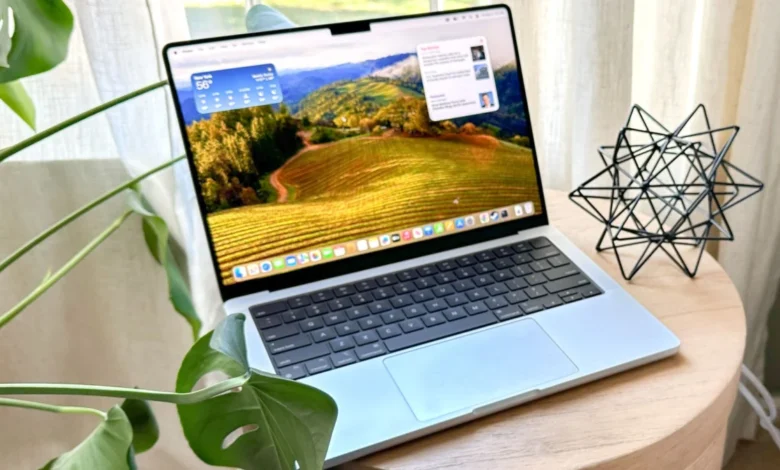
Apple has officially adjusted its hardware trade-in valuations upward across multiple generations of iPads, MacBooks, and desktop computers, providing consumers with increased credit opportunities ahead of a major product cycle. The valuation adjustments coincide with the company’s ongoing "Pro and Tell" event, where Apple has begun rolling out significant hardware refreshes, including the newly announced iPad mini 8 featuring an OLED panel and the A20 Pro chip. While the latest devices command higher retail price points—such as the iPad mini 8, which starts at $699—the revised trade-in program aims to offset consumer upgrade costs by offering up to $20 more for select legacy hardware in good condition.
The timing of these financial adjustments aligns with a broader consumer electronics trend where manufacturers incentivize ecosystem retention through aggressive trade-in policies. As production costs rise due to advanced display technologies and silicon performance upgrades, trade-in programs have become a critical bridge for consumers managing hardware lifecycles. Industry analysts note that by boosting residual values for older hardware, Apple encourages users to transition from older Intel-based or early Apple Silicon machines to newer architectures featuring advanced artificial intelligence processing capabilities and high-end display standards.
Chronology and Event Timeline
The rollout of Apple’s updated trade-in schedule follows a strict logistical timeline established for the "Pro and Tell" event window. Pre-orders for the upgraded iPad mini 8 are scheduled to open on Wednesday, October 28, with official retail shipping and in-store availability commencing on November 6. Market observers anticipate that upcoming MacBook Pro configurations, expected to feature the M6 processor family and groundbreaking touchscreen OLED displays, will follow a parallel release schedule.

Historically, Apple utilizes these sequential launch windows to clear inventory and prime the secondary market through its official trade-in partners. By publishing updated valuation tables concurrent with product announcements, the company allows prospective buyers to calculate net upgrade expenses before committing to pre-orders. This transparency is particularly crucial for pro-tier users eyeing high-cost configurations, such as upcoming MacBook Pro or MacBook Ultra models rumored to approach the $3,000 threshold.
Comprehensive iPad Trade-In Valuations
The updated trade-in schedule establishes maximum credit limits based on device categorization, operational condition, and generational specifications. For users looking to upgrade from previous tablet iterations to the iPad mini 8 or current iPad Air models, the revised maximum payouts reflect strong residual market value for Apple’s mobile processors and Retina displays.
Under the current guidelines, maximum trade-in values for tablet hardware are structured as follows:
- iPad Pro: Up to $915
- iPad Air: Up to $525
- iPad (Standard): Up to $300
- iPad mini: Up to $340
These figures represent peak valuations obtainable for pristine, fully functional devices from recent generations. Older models or units exhibiting cosmetic wear, battery degradation, or hardware faults receive proportionally lower assessments upon physical or digital inspection by Apple technicians.

Comprehensive Mac and MacBook Trade-In Valuations
Desktop and laptop computers command significantly higher trade-in ceilings, reflecting their durable build quality and long-term utility. With the anticipated introduction of M6-powered MacBooks and OLED display integrations, desktop and laptop users stand to benefit from some of the highest trade-in credits offered through official channels.
The revised maximum trade-in values for Mac hardware include:
- MacBook Pro: Up to $1,435
- MacBook Air: Up to $795
- iMac: Up to $440
- iMac Pro: Up to $340
- Mac mini: Up to $645
- Mac Studio: Up to $1,700
- Mac Pro: Up to $2,560
These valuations provide substantial financial mitigation for creative professionals and enterprise users whose workflows demand frequent hardware rotations to maintain compatibility with heavy software suites.
Step-by-Step Guide to the Apple Trade-In Process
Participating in Apple’s trade-in program can be executed through two primary methods: online during the purchase checkout of a new device, or in person at any official Apple Store location. Each method requires specific preparation steps to ensure data security and compliance with evaluation standards.

In-Store Trade-In Procedure:
- Accessory Disconnection: Unpair all Bluetooth peripherals, external keyboards, and mice connected to the device.
- Data Backup: Ensure all personal files, documents, and settings are securely backed up via iCloud or an external storage drive using Time Machine for Macs.
- Account Deactivation: Sign out of personal services, including iCloud, iTunes, the App Store, and iMessage.
- Physical Inspection: Bring the device to an Apple Store. For iPads, an in-store specialist will assist with data erasure and inspection. For Macs, users are advised to erase their hard drives and reinstall the native macOS prior to arrival.
- Credit Issuance: Upon physical verification, the specialist assigns a final trade-in value, which can be applied immediately toward an in-store purchase or issued as an Apple Gift Card. If the device holds no residual market value, Apple provides free environmental recycling.
Online Trade-In Procedure:
- Device Identification: Locate the serial number of the device intended for trade-in.
- Checkout Integration: Add the new hardware (such as the iPad mini 8 or an upcoming MacBook Pro) to the online shopping bag and select the trade-in option during the payment sequence.
- Confirmation and Instructions: Receive a confirmation email containing detailed instructions regarding data backup, account deactivation, and device preparation.
- Shipment or Drop-Off: Package the device using the prepaid mailing materials provided by Apple, or drop the packaged unit off at a designated retail location based on the instructions outlined in the confirmation correspondence.
Market Implications and Economic Analysis
The adjustment of trade-in values highlights Apple’s strategic efforts to maintain hardware circulation within its closed ecosystem. By narrowing the cost gap between legacy models and premium next-generation hardware—such as the OLED iPad mini and upcoming touchscreen MacBooks—Apple addresses potential consumer resistance to rising MSRPs.
Industry analysts point out that robust trade-in programs serve a dual purpose: they sustain high average selling prices (ASPs) by encouraging upgrades, and they feed Apple’s certified refurbished inventory, catering to price-sensitive segments of the consumer base. As hardware lifecycles lengthen due to incremental performance gains, aggressive valuation incentives remain a vital mechanism for sustaining hardware shipment volumes across global markets.