Waymo Restores San Francisco Robotaxi Operations Following Brief Power Outage Suspension and Past Incident Scrutiny

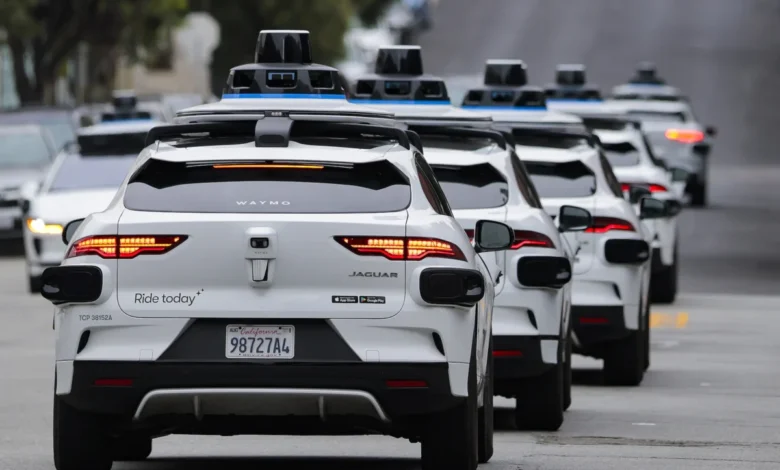
San Francisco’s burgeoning autonomous vehicle landscape experienced another moment of operational disruption on Friday, July 18, 2026, as Waymo, the self-driving technology company owned by Alphabet, temporarily paused its robotaxi service across parts of the city. The suspension, which began around 12:30 PM PDT, was a direct consequence of a significant power outage that affected approximately 7,000 Pacific Gas and Electric Company (PG&E) customers within San Francisco. However, Waymo swiftly announced the resumption of its services within roughly an hour, following a period of assessment and coordination with local authorities. This incident, while brief, reignited ongoing concerns about the resilience of autonomous vehicle operations in the face of urban infrastructure failures and further fueled calls for enhanced regulatory oversight.
Initial Disruption and Swift Resumption
The disruption began midday when a power outage plunged thousands of homes and businesses into darkness across several San Francisco neighborhoods. Almost immediately, Waymo’s autonomous vehicles, recognizable by their distinctive sensor arrays, began to adjust their operations. Customers attempting to hail a Waymo robotaxi received in-app notifications stating that service was "temporarily paused" and that "freeway routes are unavailable." This proactive measure indicated Waymo’s immediate response to a potentially hazardous operating environment.
A spokesperson for Waymo confirmed the temporary adjustments, stating, "We are making temporary adjustments to our service while we monitor local conditions. We know riders depend on us, and we will return to normal operations as soon as possible." This initial statement emphasized the company’s commitment to rider safety and operational stability. Shortly after, an updated statement from Waymo elaborated on the duration and rationale behind the pause: "We decided to pause service for approximately one hour to assess the scale of the power outage affecting a large portion of San Francisco and coordinate with local officials." The quick assessment and subsequent resumption of service underscored Waymo’s internal protocols for handling such emergencies, yet the very act of pausing service highlights the inherent vulnerabilities of even advanced autonomous systems to external infrastructure dependencies.
The San Francisco Power Grid Challenge
The power outage itself, impacting an estimated 7,000 PG&E customers, originated from undisclosed causes, which PG&E typically investigates thoroughly post-incident. San Francisco, a densely populated urban environment, relies on a complex and often aging electrical grid. While PG&E has made significant investments in grid modernization, power disruptions, whether due to equipment failure, extreme weather events, or unforeseen accidents, remain an occasional reality. Such outages not only affect residential and commercial power but can also disrupt critical urban infrastructure, including traffic signals, telecommunication networks, and emergency services.
For autonomous vehicles, a power outage presents a multifaceted challenge. While the vehicles themselves are battery-powered, their operational environment is heavily reliant on external signals and infrastructure. Traffic lights, which transition to four-way stops during outages, become a critical point of concern. Communication networks, essential for remote assistance and real-time mapping updates, can also be compromised. The loss of these external cues necessitates a more cautious, if not entirely suspended, mode of operation for robotaxis, prioritizing safety over continuity of service. PG&E typically provides updates on outage causes and estimated restoration times, and this information would have been crucial for Waymo’s decision-making process during the incident.
Waymo’s Operational Response and Assurance
Waymo’s decision to pause service and, crucially, to disallow freeway routes, demonstrates a risk-averse operational strategy during uncertain conditions. Freeway driving, with its higher speeds and complex merges, presents a significantly greater risk if sensor data or real-time traffic information is compromised or if vehicle recovery becomes necessary. By limiting operations and then pausing altogether, Waymo aimed to prevent its vehicles from becoming impediments or safety hazards in an already disrupted urban environment.
The company’s rapid assessment and coordination with local officials are standard practice for critical infrastructure operators. During a widespread power outage, communication channels between utility providers, emergency services, and transportation operators become vital. Waymo’s stated coordination suggests an established protocol for engaging with San Francisco’s Department of Emergency Management (DEM) and potentially the Municipal Transportation Agency (SFMTA) to understand the scope of the outage and ensure their operations would not hinder emergency response efforts or exacerbate traffic congestion. The ability to resume service within an hour indicates either a localized outage that was quickly contained or a rapid confirmation that the remaining operational areas were safe for AV deployment, potentially utilizing robust onboard mapping and perception systems that are less reliant on real-time external data for basic navigation.
A Pattern of Disruption: Previous Incidents Highlight Vulnerabilities
This latest incident is not an isolated event but rather fits into a recurring pattern of operational challenges faced by autonomous vehicle services in San Francisco during unexpected infrastructure failures or large-scale public events. These past incidents have significantly shaped public perception and intensified regulatory scrutiny.
One notable event occurred in December 2025, when a number of Waymo vehicles reportedly stalled on city streets during a widespread blackout. This incident highlighted the potential for AVs to become immobilized, potentially blocking traffic lanes and impeding emergency vehicle access, even if no direct accidents occurred. The exact cause of the stalling—whether it was a safety protocol engagement, a communication failure, or a system malfunction triggered by the blackout—was a subject of intense discussion and review.
Another significant disruption took place on the Fourth of July [2026], during a fireworks show near the Golden Gate Bridge. In this instance, a large influx of human-driven and autonomous vehicles, combined with the celebratory chaos and potentially overwhelmed communication networks, led to severe traffic paralysis. Reports indicated that some Waymo vehicles, along with those from other AV operators, struggled to navigate the unprecedented congestion, contributing to gridlock. This incident, while not directly tied to a power outage, underscored the challenges AVs face in highly dynamic and unpredictable urban scenarios, especially when human factors and mass gatherings are involved.
These recurring events paint a picture of autonomous vehicles as advanced technological marvels that, despite their sophistication, remain susceptible to the inherent unpredictability of complex urban ecosystems. Each incident, regardless of its severity, adds to the narrative that while AVs promise enhanced safety and efficiency, their integration requires careful consideration of their behavior during edge cases and systemic failures.
Mounting Calls for Stricter Autonomous Vehicle Regulations

The cumulative effect of these disruptions has not gone unnoticed by San Francisco’s leadership. Mayor Daniel Lurie has emerged as a prominent voice advocating for tougher state regulations governing autonomous vehicles, particularly concerning their operation during major incidents. Following the Fourth of July traffic fiasco and likely influenced by the December blackout, Mayor Lurie publicly called for new rules to "adequately address how autonomous vehicles operate during major incidents, planned or not."
The Mayor’s stance reflects a broader sentiment among local officials and a segment of the public who believe that the current regulatory framework, primarily managed at the state level by the California Public Utilities Commission (CPUC) and the Department of Motor Vehicles (DMV), does not sufficiently empower local municipalities to manage AV operations within their jurisdictions. Local authorities often bear the immediate burden of managing traffic disruptions, coordinating emergency responses, and addressing public safety concerns arising from AV incidents.
The CPUC, which issues permits for autonomous vehicle passenger services, has been under increasing pressure to re-evaluate and potentially strengthen its guidelines. Discussions often revolve around several key areas:
- Response Protocols: Requiring AV companies to have more robust and transparent protocols for handling emergencies, including clear communication channels with local emergency services.
- Performance Metrics: Establishing stricter performance metrics for AVs during adverse conditions, such as heavy rain, fog, power outages, or dense human-generated traffic.
- Local Control: Granting more authority to city governments to impose specific operational restrictions or requirements tailored to their unique urban environments.
- Data Sharing: Mandating better data sharing between AV operators and city officials to facilitate post-incident analysis and proactive traffic management.
Mayor Lurie’s advocacy underscores a growing tension between the innovative push of technology companies and the practical realities of urban governance and public safety. The city’s perspective is that while it welcomes technological advancement, it cannot compromise the safety and functionality of its streets and emergency services for unproven or inadequately regulated systems.
The Complexities of Operating Robotaxis in Urban Environments
Operating fully autonomous robotaxis in a city as dynamic and complex as San Francisco presents a unique set of challenges. Unlike controlled testing environments, real-world urban settings involve:
- Unpredictable Human Behavior: Pedestrians, cyclists, and human drivers often act in ways that are difficult for even advanced AI to anticipate.
- Diverse Infrastructure: From historic cable car tracks to construction zones, the physical environment is constantly changing.
- Varying Weather Conditions: While San Francisco is known for its mild climate, fog, rain, and sudden microclimates can challenge sensor performance.
- Dense Telecommunications and Electrical Infrastructure: A vast network of cables and signals that can be prone to disruption.
Autonomous vehicles rely on a combination of sensors (Lidar, radar, cameras), high-definition maps, and sophisticated AI algorithms to perceive their surroundings and make driving decisions. In an ideal state, this system provides a comprehensive understanding of the road. However, external factors like a power outage can disrupt the very environment these systems are designed to navigate. The loss of traffic signals, for example, transforms intersections into uncontrolled zones, demanding a different set of navigation and yielding behaviors that must be universally understood and applied by both human and autonomous drivers.
Technological Resilience and Redundancy in AV Systems
The recurring incidents prompt a deeper examination of the technological resilience and redundancy built into autonomous vehicle systems. While Waymo and other AV developers undoubtedly incorporate fail-safe mechanisms, the nature of these incidents suggests there’s still room for improvement in handling systemic external failures.
Key areas of focus for enhancing resilience include:
- Onboard Processing and Mapping: Reducing reliance on real-time cloud connectivity by having more robust onboard processing capabilities and up-to-date, highly detailed offline maps. This allows vehicles to continue operating safely, albeit perhaps at a reduced speed or with a more conservative approach, even if communication networks are down.
- Enhanced Sensor Fusion in Degraded Conditions: Improving how sensors work together to perceive the environment when one or more inputs are compromised (e.g., a camera blinded by glare, a radar signal distorted).
- Robust Decision-Making in Ambiguous Scenarios: Training AI models to handle situations where rules are unclear or traditional signals are absent (e.g., navigating a four-way stop with human drivers who may not follow right-of-way rules consistently).
- Proactive System Shutdowns and Remote Assistance: Ensuring that vehicles can safely pull over and await remote assistance or tow if they encounter conditions beyond their operational design domain, without blocking traffic. Waymo’s ability to pause service and instruct vehicles to take specific actions during the outage points to existing capabilities in this area.
- Battery Backup for Critical Infrastructure: While outside the direct control of AV companies, advocating for and contributing to the development of battery backups for traffic signals and critical road infrastructure could significantly mitigate the impact of power outages on AV operations.
Broader Implications for Urban Mobility and Public Trust
The implications of these incidents extend beyond the immediate operational challenges for Waymo. They touch upon the broader vision of urban mobility and the fragile foundation of public trust in new technologies.
- Public Trust: Each incident, especially those leading to stalled vehicles or traffic congestion, chips away at public confidence in autonomous vehicles. For widespread adoption, the public needs to be assured that these systems are not only safer than human drivers but also reliable and capable of handling unforeseen circumstances without causing further disruption.
- Emergency Services: When AVs stall or operate erratically, they can impede emergency vehicles, potentially delaying critical responses. This is a significant concern for fire departments, paramedics, and police, who rely on clear routes.
- Urban Planning and Infrastructure: The integration of AVs necessitates a re-evaluation of urban planning. Cities may need to invest in "smart city" infrastructure that can communicate directly with AVs, providing real-time data on traffic, incidents, and infrastructure status, especially during emergencies.
- Economic Impact: For a city like San Francisco, which prides itself on innovation, the smooth operation of services like robotaxis contributes to its economic dynamism. Disruptions, however brief, can affect businesses and commuters who rely on these services.
The Path Forward: Balancing Innovation and Safety
The continued evolution of autonomous vehicle technology in cities like San Francisco represents a delicate balance between fostering innovation and ensuring public safety and reliable urban functioning. The Waymo incident on July 18, 2026, serves as another reminder that this balance is constantly being tested.
Moving forward, the dialogue between AV developers, regulatory bodies, and local municipalities must intensify. This includes:
- Collaborative Incident Response Planning: Developing joint protocols for how AV companies, emergency services, and city traffic management will coordinate during power outages, natural disasters, or large-scale events.
- Transparent Reporting: Establishing clear mechanisms for reporting AV incidents and near-misses to build trust and inform regulatory adjustments.
- Adaptive Regulation: Crafting regulations that are flexible enough to accommodate rapid technological advancements but stringent enough to guarantee safety and accountability. This might involve tiered licensing, performance-based permits, or geo-fencing restrictions during specific conditions.
- Public Education: A sustained effort to educate the public about AV capabilities, limitations, and safety features can help manage expectations and build confidence.
Conclusion: An Evolving Landscape
The brief suspension and swift resumption of Waymo’s robotaxi service in San Francisco on July 18, 2026, following a power outage, is more than just a momentary operational glitch. It is a microcosm of the larger, ongoing challenges facing the integration of autonomous vehicles into complex urban environments. While Waymo demonstrated its ability to react quickly and responsibly, the incident, coupled with past disruptions, underscores the inherent vulnerabilities of even the most advanced technology to external infrastructure failures and the unpredictable nature of city life. The calls from Mayor Daniel Lurie and other officials for tougher state regulations are a clear signal that the era of unbridled innovation without robust oversight is waning. As autonomous vehicles continue their journey towards widespread adoption, the imperative for technological resilience, comprehensive regulatory frameworks, and collaborative urban integration will only grow stronger, defining the future of mobility in the world’s leading smart cities.