Neighborhood Intelligence pivots strategy as it revises Fathom Holdings acquisition to center on digital asset integration

Neighborhood Intelligence, the entity formerly recognized as Bed Bath & Beyond Inc., has announced a significant strategic realignment regarding its ongoing acquisition of real estate platform Fathom Holdings. The revised proposal, made public on September 25, 2026, marks a departure from the original merger agreement established in June and signals the company’s intent to pivot its focus toward the integration of high-value digital assets. Under the new terms, Neighborhood Intelligence plans to contribute "substantially all" of its digital portfolio—most notably a 40% ownership interest in the digital securities platform tZero Group, alongside Medici-related fund assets and direct investments in the blockchain-based supply chain company GrainChain—into Fathom.
This move follows a period of intense corporate restructuring for the organization, which has moved aggressively to shed its identity as a traditional home goods retailer in favor of becoming a diversified holding company with a focus on real estate technology, home services, and fintech.
A Chronology of Strategic Evolution
The transformation of Bed Bath & Beyond into Neighborhood Intelligence has been marked by a rapid sequence of mergers, acquisitions, and divestitures. Following the retail giant’s bankruptcy proceedings and the subsequent purchase of its intellectual property, the company embarked on a mission to redefine its market presence.
- June 2026: The company initially announced an all-stock acquisition of Fathom Holdings, a deal then valued at approximately $53 million, intended to anchor its move into real estate services.
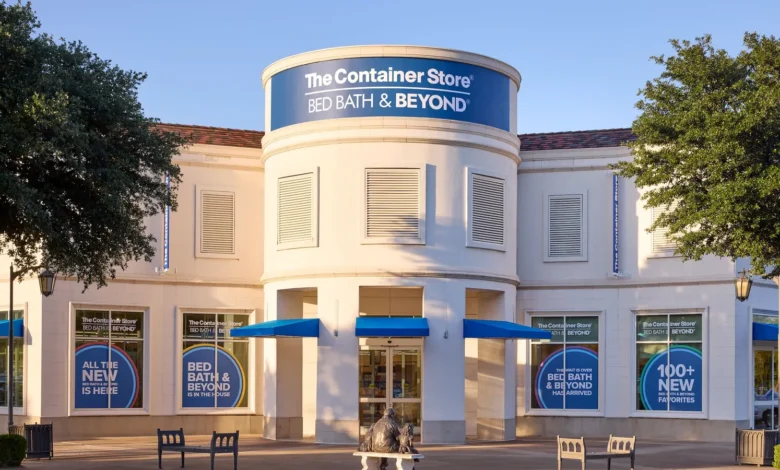
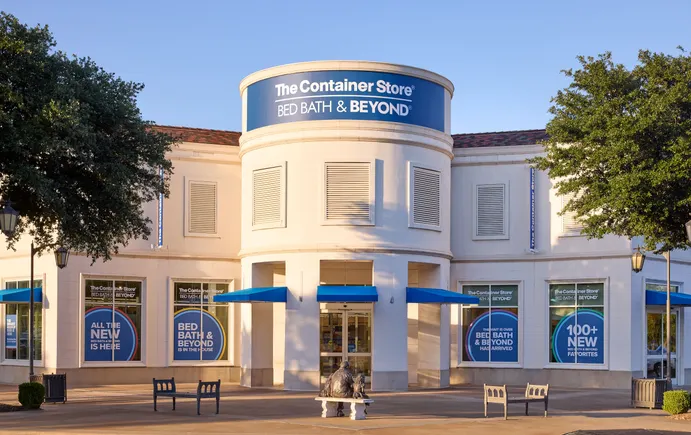
- August 2026: Neighborhood Intelligence began integrating its retail footprint, notably launching co-branded concepts with retailers like The Container Store, while simultaneously evaluating potential additions to its home-services portfolio.
- Early September 2026: The company abruptly canceled a $150 million agreement to acquire F9 Brands, the parent company of Cabinets to Go and Lumber Liquidators, citing the target’s inability to satisfy closing requirements.
- September 25, 2026: The revised deal with Fathom Holdings is unveiled, shifting the focus from a retail-centric merger to a fintech-integrated real estate venture.
The cancellation of the F9 Brands deal served as a precursor to this week’s announcement, suggesting that leadership, spearheaded by Executive Chairman and CEO Marcus Lemonis, is prioritizing liquidity and technological synergy over brick-and-mortar scale.
Financial Valuation and Asset Composition
The revised deal structure places a floor valuation of $130 million on the digital asset portfolio being contributed by Neighborhood Intelligence. This valuation is notably independent of Fathom Holdings’ current public market capitalization, which has experienced volatility since the initial June announcement.
Marcus Lemonis addressed the discrepancy between the market’s current assessment of Fathom and the strategic value of the new deal in a statement accompanying the announcement. He acknowledged that while Fathom’s share price has dipped over the past three months, the underlying brokerage and title businesses have demonstrated "meaningful progress." The proposed structure serves as a mechanism to capture this operational growth while simultaneously injecting high-potential digital assets into the Fathom ecosystem.
The transaction will involve the issuance of new Fathom shares to Neighborhood Intelligence. While the final share count remains subject to the completion of due diligence and final negotiations, the expectation is that Neighborhood Intelligence will retain a controlling interest in the resulting entity. This arrangement allows Fathom the capital flexibility to pursue further acquisitions to strengthen its operating business, provided they align with the new, technology-forward mandate.
The Role of Digital Infrastructure in Real Estate
The core thesis of this acquisition revolves around the application of tZero’s digital securities infrastructure to the residential and commercial real estate sectors. By leveraging blockchain technology, the companies aim to modernize traditional real estate transactions.
Potential applications highlighted by the firms include:

- Tokenization of Assets: Creating digital representations of commercial real estate and single-family rental portfolios to facilitate fractional ownership and increase liquidity.
- Streamlined Capital Structures: Using digital securities to create more flexible, efficient pathways for capital formation in real estate development.
- Integrated Title and Homeownership Services: Exploring blockchain-based solutions to automate and secure the title transfer process, reducing the friction and administrative overhead currently associated with individual homeownership.
Industry analysts note that this strategy is highly ambitious. While the tokenization of real estate has been a topic of significant interest in fintech circles for years, widespread adoption has been hampered by regulatory complexities and the inherent illiquidity of real estate assets. By folding these assets into a functional real estate brokerage like Fathom, Neighborhood Intelligence is attempting to bridge the gap between speculative digital finance and tangible, real-world utility.
Corporate Strategy and Market Implications
The broader implication of this move is that Neighborhood Intelligence is effectively shedding the retail-heavy business model that defined the former Bed Bath & Beyond brand. By prioritizing investments in companies like The Brand House Collective and now focusing on the intersection of real estate and blockchain, the firm is signaling that its future lies in the "home ecosystem"—a hybrid of property services, retail, and financial technology.
The departure from the F9 Brands deal highlights a disciplined, if somewhat erratic, approach to growth. The firm’s leadership has shown a willingness to terminate agreements that do not meet their specific performance or structural criteria, even at the cost of public scrutiny. This suggests that the board is operating under a strict mandate to ensure that every acquisition contributes directly to the technological infrastructure the company is attempting to build.
Official Stance and Future Outlook
Neither Neighborhood Intelligence nor Fathom Holdings has provided a definitive timeline for the closure of this revised acquisition. The lack of specific guidance regarding the closing date suggests that the parties are still ironing out the complexities of the asset transfer and the final equity split.
Market observers remain cautious. For Fathom Holdings, the influx of digital assets represents a significant pivot from its core brokerage model. The success of this merger will likely depend on the company’s ability to demonstrate real-world, revenue-generating applications for the tZero and GrainChain platforms. If the integration succeeds, it could set a precedent for how traditional brokerage firms leverage decentralized finance to offer new services to homeowners and investors. If it fails, it may be viewed as a classic case of corporate over-extension in the pursuit of buzzworthy technologies.

As of late September 2026, the company continues to manage its existing retail assets, including its collaborative efforts with The Container Store. However, the center of gravity within the organization has clearly shifted toward the digital frontier. For investors, the next few months will be critical, as they look for signs of tangible progress—not just in the form of deal announcements, but in the realization of the "digital infrastructure" promises made by the executive team.
The transition from a retail operator to a tech-integrated conglomerate is fraught with operational risk, particularly as the firm attempts to manage a diverse portfolio that ranges from physical home goods stores to blockchain-based asset management. The outcome of the Fathom acquisition will likely serve as the definitive litmus test for whether the new Neighborhood Intelligence can successfully navigate the complexities of the modern digital economy.