Walmart U.S. Operations See Major Leadership Shift as COO Kieran Shanahan Departs, Kyle Kinnard Steps In Amid Broader Executive Realignment

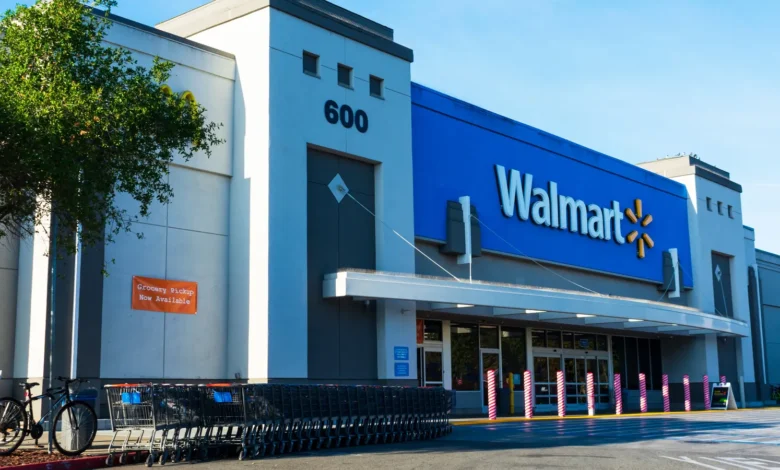
Walmart, the world’s largest retailer, is undergoing a significant leadership transition within its crucial U.S. operations, marking another key executive change just five months into John Furner’s tenure as Chief Executive Officer. Kieran Shanahan, a veteran with nearly three decades of service to the company, is stepping down from his role as Chief Operating Officer for Walmart’s U.S. business. His departure paves the way for Kyle Kinnard, formerly the COO of Walmart International, to assume the critical leadership position, effective immediately. This move, announced on July 17, 2026, signals a continued drive for strategic realignment and operational efficiency under Furner’s leadership, following a series of high-profile C-suite adjustments earlier in the year.
A Transition in U.S. Leadership: Shanahan’s Departure and Kinnard’s Ascent
Kieran Shanahan’s career at Walmart has spanned close to 30 years, during which he held various pivotal roles, culminating in his position as Chief Operating Officer for Walmart U.S. His tenure as COO has been instrumental in navigating the complex landscape of domestic retail, overseeing the vast network of Walmart stores, supply chain logistics, and millions of associates across the United States. Shanahan has been at the forefront of implementing operational strategies designed to enhance customer experience, optimize inventory management, and drive efficiency in a rapidly evolving retail environment. His responsibilities encompassed everything from store operations and labor management to leveraging technology for in-store improvements and last-mile delivery solutions. Shanahan will remain with the company through the end of the fiscal year, transitioning into an advisory role to David Guggina, CEO of Walmart U.S., ensuring a smooth handover and continuity during this critical period. This structured transition underscores Walmart’s commitment to maintaining stability even amidst executive changes.
Stepping into Shanahan’s shoes is Kyle Kinnard, an executive with over 25 years of experience within Walmart’s global ecosystem. Kinnard’s most recent role as Chief Operating Officer for Walmart International provided him with extensive experience in diverse markets, overseeing operations that spanned multiple continents and cultural contexts. This international background is expected to bring a fresh perspective to the challenges and opportunities within the U.S. market, particularly as global supply chains remain interconnected and cross-border retail trends continue to influence domestic strategies. The internal company memo announcing the change, issued by David Guggina and Walmart International CEO Chris Nicholas, lauded Kinnard’s "proven track record" and "dedication to servant leadership," emphasizing his commitment to developing future leaders within the organization. This focus on leadership development and operational excellence is particularly relevant as Walmart continues to invest in its workforce and adapt to a dynamic labor market.
John Furner’s Strategic Realignment and Executive Reshuffles
The leadership changes at Walmart U.S. are part of a broader strategic overhaul initiated by John Furner since he formally took over as Chief Executive Officer of Walmart Inc. earlier this year, approximately five months prior to this announcement. Furner’s appointment signaled a renewed focus on innovation, digital transformation, and an integrated omnichannel strategy to compete effectively in an increasingly digital-first retail landscape. His vision emphasizes leveraging Walmart’s vast physical footprint while aggressively expanding its e-commerce capabilities, improving supply chain resilience, and enhancing customer convenience through initiatives like curbside pickup and expanded delivery services.
A significant step in Furner’s strategic plan was the reorganization of the company’s core C-suite in January 2026. This restructuring aimed to streamline decision-making processes, align leadership responsibilities more closely with strategic priorities, and foster greater collaboration across different business segments. Key appointments during this period included David Guggina as CEO of Walmart U.S. and Chris Nicholas as CEO of Walmart International, both of whom are now signatories on the memo announcing Kinnard’s promotion. These foundational changes were designed to set the stage for more agile and responsive leadership, capable of adapting to the rapid shifts in consumer behavior and market dynamics.
The latest leadership transition is not an isolated event but rather follows a series of executive movements within Walmart. In May 2026, the company saw the departures of Sam’s Club Chief Operating Officer Tom Ward and Cedric Clark, who served as Chief of Store Operations at Walmart. These exits, occurring just a few months before Shanahan’s announcement, suggest a deliberate effort by Furner’s leadership team to refresh and recalibrate its operational leadership across key segments. Ward’s role at Sam’s Club was critical for the wholesale club’s operational efficiency and member experience, while Clark’s position overseeing Walmart’s vast network of U.S. stores was central to day-to-day execution and associate engagement. The cumulative effect of these changes points towards a strategic realignment of talent, positioning executives with specific skills and experiences to drive Walmart’s future growth initiatives.
The Critical Importance of Walmart’s U.S. Operations
Walmart’s U.S. business remains the bedrock of its global empire, accounting for the lion’s share of its revenue and profit. The U.S. COO role, therefore, is one of the most demanding and impactful positions within the company. It involves overseeing thousands of retail stores, distribution centers, and fulfillment facilities, managing a workforce of over 1.6 million associates in the U.S. alone, and navigating a complex supply chain that serves millions of customers daily. The performance of the U.S. segment directly influences Walmart’s overall financial health and its competitive standing against rivals like Amazon, Target, and various grocery chains.
The U.S. retail landscape is currently characterized by several significant challenges and opportunities. Inflationary pressures continue to impact consumer spending patterns, pushing shoppers towards value-oriented retailers. The labor market, while showing signs of easing, remains competitive, requiring robust talent acquisition and retention strategies. Moreover, the accelerating shift to e-commerce and the demand for seamless omnichannel experiences necessitate continuous investment in technology, logistics, and digital integration. The U.S. COO is tasked with ensuring that Walmart’s physical stores work in concert with its digital platforms, providing customers with flexible shopping options, from in-store browsing to online ordering with home delivery or curbside pickup. This integration is crucial for maintaining market share and driving customer loyalty in an environment where convenience and speed are paramount.

Kinnard’s International Experience: A New Mandate for U.S. Operations
Kyle Kinnard’s transition from COO of Walmart International to COO of Walmart U.S. is particularly noteworthy. His extensive experience in diverse international markets, which often present unique logistical, regulatory, and cultural challenges, could prove invaluable in the U.S. role. International operations frequently require innovative problem-solving, adaptability, and the ability to scale solutions across varied environments. This global perspective may enable Kinnard to identify and implement efficiencies or best practices that have proven successful abroad, applying them to the U.S. context. For instance, lessons learned in optimizing supply chains in emerging markets or adapting store formats to specific consumer demographics could inform strategies for Walmart’s vast and varied U.S. footprint.
Furthermore, Kinnard will continue to serve as chair on the board of directors for Walmart de México y Centroamérica. This dual responsibility underscores the interconnectedness of Walmart’s global strategy and the importance of leveraging regional strengths. His continued involvement with the Mexican and Central American markets suggests a potential emphasis on cross-border synergies, supply chain optimization across North America, or the adoption of successful regional initiatives on a broader scale.
Broader Executive Movements and Global Strategy
The leadership changes extend beyond the U.S. COO role. With Kinnard’s move to the U.S. business, Juan Galarraga has been promoted to Executive Vice President and Regional General Manager for the Latin America business within Walmart International. Galarraga, who joined Walmart in 2024 as Senior Vice President of Acceleration and Support for Walmart U.S. operations, brings recent U.S. experience to his new international role, potentially fostering a closer alignment between domestic and international best practices. His background in "acceleration and support" suggests a focus on driving growth and operational improvements.
Looking ahead, Walmart also plans to announce the leader of its global platform acceleration team in the coming weeks. This upcoming appointment further highlights Furner’s strategic emphasis on leveraging technology, shared services, and standardized platforms across the organization. A "global platform acceleration team" likely focuses on driving digital innovation, scaling technological solutions, and optimizing shared operational capabilities across all of Walmart’s business segments, both domestically and internationally. This initiative is crucial for fostering efficiency, reducing costs, and enhancing the overall customer and associate experience through technological advancements.

Analyst Perspectives and Market Reaction
Industry analysts typically view leadership changes at a company the size of Walmart as significant indicators of strategic direction. While such transitions can sometimes introduce uncertainty, the structured nature of Shanahan’s departure and Kinnard’s immediate appointment suggests a planned succession designed to maintain operational momentum. Analysts will likely scrutinize Kinnard’s early initiatives for signs of continuity or deviation from previous strategies, particularly concerning areas like e-commerce growth, supply chain resilience, and labor management. The emphasis on "proven track record" and "servant leadership" in the internal memo is often interpreted by the market as a commitment to experienced leadership and a stable, employee-centric culture.
Investors will be looking for reassurances that these leadership shifts will ultimately translate into improved financial performance, enhanced market share, and effective navigation of the challenging retail environment. The broader context of Furner’s ongoing strategic realignment suggests a proactive approach to optimizing the company’s vast resources and talent pool to meet future demands.
Implications for Walmart’s Future
The latest executive reshuffle carries significant implications for Walmart’s future trajectory. Kyle Kinnard’s appointment as U.S. COO, with his extensive international experience, could infuse new perspectives into domestic operations, potentially accelerating the adoption of global best practices in supply chain management, store innovation, and digital integration. This move underscores Walmart’s commitment to building a leadership team capable of executing a unified global strategy while addressing the unique demands of individual markets.
The ongoing leadership changes under John Furner signal a clear intent to foster agility, innovation, and efficiency across the organization. By strategically placing executives with diverse backgrounds and proven capabilities, Walmart aims to strengthen its competitive position in an increasingly complex retail landscape. The focus on developing future leaders, as highlighted in the memo, also points to a long-term strategy for talent management and succession planning, ensuring sustained leadership strength. As Walmart continues its journey of transformation, these executive appointments will be critical in shaping the company’s operational strategies, driving its omnichannel ambitions, and ultimately, delivering value to both customers and shareholders in the years to come.