QVC Group Secures Court Approval for $5 Billion Debt Restructuring, Paving Way for Digital Live-Shopping Future

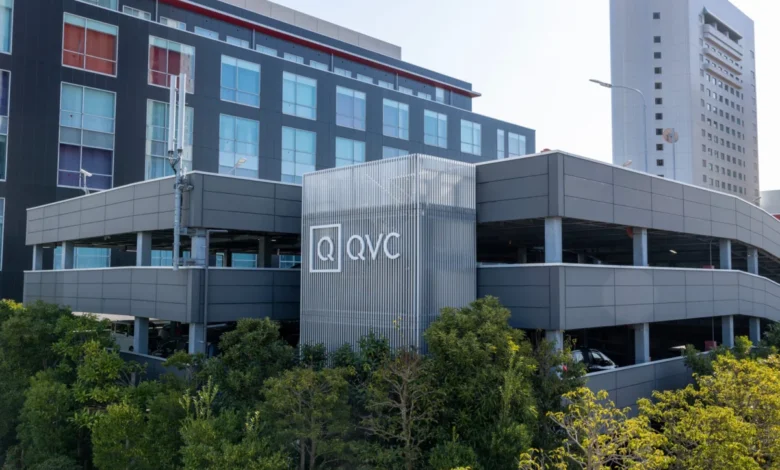
A pivotal moment for QVC Group unfolded on July 15, when the U.S. Bankruptcy Court for the Southern District of Texas formally approved the retailer’s comprehensive plan to shed more than $5 billion in debt. This judicial endorsement, granted by Judge Alfredo Perez, marks a critical step toward the company’s emergence from Chapter 11 bankruptcy protection, setting the stage for a revitalized focus on its ambitious digital transformation and investment in the rapidly expanding realm of live social shopping. The decision comes approximately three months after QVC Group, a prominent entity in the home shopping and digital retail landscape, initiated bankruptcy proceedings to address a substantial legacy debt burden while ensuring the continuity of its extensive operations.
The Road to Restructuring: A Chronology of Challenges and Filings
The journey to Chapter 11 for QVC Group, which operates iconic brands such as QVC, HSN, Ballard Designs, Frontgate, Garnet Hill, and Grandin Road, was a culmination of several years of navigating a dramatically shifting retail environment. Once a pioneer of televised home shopping, the company found itself grappling with declining traditional viewership, intense competition from pure-play e-commerce giants, and a hefty debt load that stifled its ability to innovate and adapt at the necessary pace.
The roots of QVC’s financial challenges can be traced back to various factors, including the 2017 acquisition of HSN by Qurate Retail Group (QVC Group’s former name), a move intended to consolidate market share but which also layered on significant debt. As consumer habits irrevocably shifted from linear television to digital platforms, streaming services, and mobile-first shopping experiences, the company’s traditional business model faced increasing pressure. The onset of the COVID-19 pandemic, while initially boosting some e-commerce segments, also accelerated the decline in traditional retail foot traffic and highlighted the urgency for digital adaptation across all sectors.
Recognizing the unsustainable nature of its financial structure, QVC Group filed for Chapter 11 protection on April 20. Chapter 11 of the U.S. Bankruptcy Code allows companies to reorganize their business affairs, debts, and assets under court supervision. Unlike Chapter 7, which involves liquidation, Chapter 11 enables a debtor to remain in business, often continuing its operations, while it works out a plan to repay its creditors over time. For QVC Group, this strategic move was not a signal of collapse but rather a calculated maneuver to surgically address its financial liabilities and secure a viable future by leveraging the bankruptcy process to restructure. The goal was clear: emerge with a leaner balance sheet, ready to aggressively pursue growth in the digital arena.
A New Financial Foundation: Details of the Approved Plan
Under the court-approved restructuring plan, QVC Group is poised to dramatically reduce its total debt from an unwieldy $6.6 billion to a more manageable $1.33 billion – a reduction exceeding $5 billion. This significant deleveraging is expected to free up substantial capital and operational flexibility, which is crucial for investing in future growth initiatives. A key aspect of the plan, and one that typically reassures business partners, is the commitment to pay all vendor claims in full or have them reinstated. This provision helps maintain supply chain integrity and fosters confidence among suppliers who are essential to the company’s ongoing operations.
Upon its emergence from bankruptcy, the newly restructured QVC Group is slated to gain access to a fresh $600 million credit facility. This new line of credit will serve as vital working capital, providing the liquidity necessary for day-to-day operations, strategic investments, and other general corporate purposes, ensuring a stable financial footing as the company embarks on its post-bankruptcy trajectory. The approval by Judge Perez, after diligent review of the proposed plan, signifies the court’s belief that this path offers the best opportunity for QVC Group’s long-term viability and for fair treatment of its creditors within the confines of bankruptcy law.
Navigating Investor Dynamics: Creditors, Shareholders, and Ownership Shifts
While the restructuring plan garnered significant support from a majority of QVC Group’s lenders and noteholders, it was not without its detractors. Notably, preferred shareholders challenged the plan, contending that it effectively erased the value of their investments. However, the court ultimately rejected this challenge, a common outcome in bankruptcy proceedings where the hierarchy of claims often places equity holders at a lower priority than secured and unsecured creditors. This decision underscores the legal framework of bankruptcy, which prioritizes the repayment of debt over shareholder equity when a company is financially distressed.
Upon emergence from Chapter 11, the ownership structure of QVC Group will undergo a fundamental transformation. Control will effectively transfer to its creditors through a complex settlement involving its parent company and indebted operating subsidiaries. This mechanism is typical in "debt-for-equity" swaps, where creditors exchange their debt holdings for equity in the reorganized company, thereby becoming its new owners. Although QVC Group continued to trade publicly throughout its bankruptcy proceedings, its existing preferred and common shares will be canceled as it officially exits Chapter 11. Subject to pending regulatory approval, the company anticipates that newly issued common shares will commence trading on a national exchange under the ticker symbol "QVCG," signaling a fresh start for its public listing. This shift represents a complete reset of the company’s capital structure and ownership.
The Digital Transformation Imperative: QVC’s Strategic Pivot
The financial restructuring is not merely about shedding debt; it is intrinsically linked to QVC Group’s aggressive pivot towards digital and social commerce. Long before the Chapter 11 filing, the company recognized the urgent need to evolve its business model. This strategic shift was formalized with the launch of its three-year "WIN" growth strategy in November 2024, designed to propel the company’s iconic live-shopping format beyond traditional television into the vast and dynamic digital landscape. As part of this overarching transformation, the company underscored its new direction by rebranding from Qurate Retail Group to QVC Group in February 2025, a move that centralized its brand identity around its core live-shopping heritage while signaling a modern focus.
At the heart of this digital expansion are QVC+ and HSN+, the company’s proprietary streaming services. These platforms are crucial for reaching a new generation of consumers who have largely abandoned linear television in favor of on-demand and streaming content. The company reported significant traction in April, with QVC+ and HSN+ collectively reaching 1.5 million monthly active users, demonstrating a clear appetite for its curated content in a digital format. Furthermore, sales attributed to streaming channels saw robust growth, increasing by 19% in 2025, highlighting the tangible success of this strategic investment. This data underscores the potential for QVC to replicate its traditional success in a streaming-first environment.
Embracing Social Commerce: The TikTok Shop Ascendancy
Perhaps the most significant and visible aspect of QVC Group’s digital pivot is its deep embrace of TikTok Shop. Recognizing the immense reach and engagement of short-form video and live streaming on social media platforms, QVC Group forged a landmark partnership in April 2025 to produce round-the-clock live-shopping content specifically for TikTok Shop. This collaboration was a strategic masterstroke, allowing QVC to tap into a massive, digitally native audience, many of whom may never have encountered traditional TV shopping.
The impact of this aggressive foray into TikTok Shop has been immediate and profound. In 2025 alone, the initiative brought nearly 1 million new U.S. TikTok Shop customers to QVC Group, marking the first time in over four years that the retailer’s total customer base experienced growth. This surge in new customers validated the company’s strategy and showcased the power of social commerce. The success did not go unnoticed; in April, TikTok Shop officially named QVC Group one of its "Sellers of the Year" during the platform’s annual summit, a testament to its innovative and effective use of the platform. By June, QVC Group was operating at an impressive scale on TikTok Shop, offering more than 95,000 products and producing over 220 hours of live programming each week, effectively mirroring its traditional TV broadcast intensity in a digital format.
Krystyna Taheri, QVC’s senior vice president of social commerce, articulated the synergy between QVC’s heritage and its new digital frontier at the TikTok Shop summit on April 15. "TikTok Shop is us," Taheri stated, emphasizing the inherent compatibility. She explained, "Sure, the videos are faster, there are more hosts, and they are living on a smaller screen. But the fundamentals are identical: right product, right moment, demonstrable items and trusted voices." This perspective highlights that while the medium has changed, the core principles of live, interactive selling, which QVC pioneered, remain timeless and highly effective across platforms.
Tangible Results: Sales Momentum and Market Recognition
The commitment to TikTok Shop has translated into impressive sales figures and market recognition. In November 2025, QVC Group emerged as the leading retailer on the platform, generating an estimated $25.5 million in sales from approximately 442,500 items, according to data from Net Influencer. This achievement marked QVC’s fourth consecutive month at the top of TikTok Shop’s sales rankings, underscoring its consistent performance and market dominance within this nascent but rapidly growing channel.
Beyond overall sales, QVC also demonstrated remarkable growth in specific categories. From April 2025 through March 2026, it became TikTok Shop’s fastest-growing U.S. footwear seller. Sales in this category surged by an astonishing 1,647%, reaching $14.1 million, a dramatic increase from approximately $809,000 in the prior year, as reported by ecommerce data provider Charm.io. These granular successes illustrate the effectiveness of QVC’s targeted approach and its ability to connect with consumers on TikTok for a diverse range of products.
Despite its success in new digital channels, QVC Group’s position in the broader e-commerce landscape is also being re-evaluated. Digital Commerce 360’s Top 1000 Database, which tracks North America’s largest online retailers by annual ecommerce sales, ranks QVC at No. 20. However, in Digital Commerce 360’s newer AI Rankings within the same database, which likely incorporates factors beyond traditional sales volume, QVC is positioned at No. 405. This discrepancy suggests that while QVC remains a significant player in terms of overall online sales, there may be areas where its digital innovation or AI adoption is still catching up to the forefront of the industry. This nuanced view highlights the ongoing challenges even amidst significant progress.
Broader Industry Context: The Evolving Landscape of Retail and Live Commerce
QVC Group’s restructuring and strategic pivot are emblematic of broader trends reshaping the retail industry. The shift from traditional brick-and-mortar and even legacy e-commerce to highly interactive, mobile-first, and social commerce experiences is undeniable. Live shopping, a format popularized in Asia, particularly in China, where it accounts for a substantial portion of e-commerce sales, is rapidly gaining traction in Western markets. Platforms like TikTok Shop, Instagram Shopping, and Amazon Live are investing heavily in this model, recognizing its potential for higher engagement, immediate conversion, and a more personalized shopping journey.
For legacy retailers like QVC, which pioneered live selling on television, adapting to this new digital paradigm is not just an opportunity but an existential necessity. Their long-standing expertise in product demonstration, host-led selling, and building trusted relationships with customers gives them a unique advantage in the social commerce space, provided they can successfully translate their core competencies to new platforms and audience demographics. The competitive landscape, however, is fierce, with countless influencers, brands, and other retailers vying for attention in the crowded digital space. QVC’s success on TikTok Shop demonstrates that a heritage brand can indeed thrive in this new environment by embracing authenticity and speed.
Looking Ahead: Remaining Hurdles and Future Prospects
While the court approval marks a monumental achievement, QVC Group still faces several remaining closing conditions that must be satisfied before its official emergence from Chapter 11. These typically involve administrative processes, final documentation, and potentially securing the new credit facility. Once these conditions are met, the company will officially shed its bankruptcy status and operate under its revitalized financial and ownership structure.
Despite the positive momentum in its digital ventures, QVC Group continues to navigate broader market challenges. For the first quarter ended March 31, the company reported a 7% decline in revenue, reaching $1.96 billion. However, a silver lining emerged as its net loss narrowed significantly to $40 million, compared to $91 million in the same period a year earlier. This suggests that while top-line revenue remains a challenge, cost-cutting measures and improved operational efficiencies are beginning to yield results, positioning the company for a healthier financial performance post-restructuring.
QVC Group president and CEO David Rawlinson articulated the company’s renewed sense of purpose, stating that the court’s approval positions the retailer to emerge "ready to win in live social shopping." He emphasized, "With significantly less debt, we can focus on what matters most — creating uniquely inspiring live social shopping experiences for our customers." This vision underscores the company’s commitment to leveraging its core strength in live selling, now supercharged by a clean balance sheet and a robust digital strategy. The long-term sustainability of this digital pivot will depend on QVC’s ability to consistently innovate, capture new audiences, and maintain its competitive edge in a rapidly evolving market.
The court’s approval of QVC Group’s debt restructuring plan is more than just a legal formality; it represents a strategic rebirth for a retail icon. By shedding billions in legacy debt and doubling down on its digital and social commerce initiatives, QVC Group is poised to redefine its future, demonstrating that even established players can reinvent themselves to thrive in the dynamic world of modern retail.
Related posts: