The Mechanics of the New Shopping Ecosystem
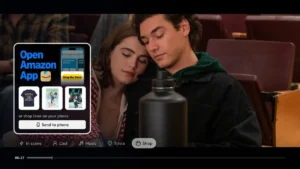
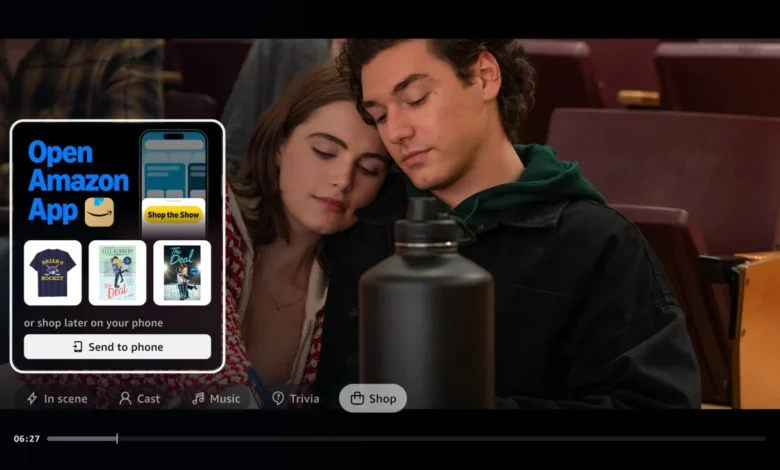
At the core of this rollout is a significant enhancement to the X-Ray experience, a feature historically utilized for providing viewers with real-time metadata, such as actor biographies, scene-specific soundtrack information, and character trivia. Under the new architecture, Amazon is introducing a dedicated "Shop" tab within the X-Ray overlay. When a user presses the directional button on their Fire TV remote to access X-Ray, they will now be greeted with a curated selection of products directly related to the content on screen.
The purchase flow has been streamlined to minimize friction. Rather than forcing users to navigate complex menus within the television interface, the system encourages a multi-screen approach. By opening the Amazon Shopping app on a mobile device, the application intelligently recognizes the specific title being viewed on the television. It then populates a synchronized feed that mirrors the scene’s aesthetic, allowing the user to browse and purchase items ranging from apparel and home decor to specific accessories featured in the production.
The Rise of Shop the Scene and Visual Search
Perhaps the most technologically advanced addition is the "Shop the Scene" feature, powered by Amazon Lens. This visual search capability addresses a common pain point for viewers who see a piece of furniture or a specific item of clothing on screen but have no way of identifying it.
When a user triggers this feature, the system analyzes the image on screen to identify products that match or are inspired by the items worn by characters or featured in the set design. Amazon acknowledges that while the technology may not always yield an exact product match—particularly in cases involving bespoke, high-end designer labels, or historical costumes—it provides a robust "jumping-off point." The algorithm offers high-quality, available alternatives that help consumers achieve a similar aesthetic, effectively democratizing the "look" of cinematic fashion.
Currently, the "Shop the Scene" feature is live for users on iOS and Android platforms across the United States and is compatible with an initial library of over 600 titles. This represents a significant expansion from the company’s previous, more rudimentary attempts at integrating commerce with media.
A Chronology of Amazon’s Shoppable Content Strategy
Amazon’s move into integrated retail is not a sudden pivot but rather the culmination of a multi-year strategy aimed at capturing the consumer’s attention during high-engagement periods.
The timeline of this integration began in earnest with the introduction of "Shop the Show." Launched last year, this feature served as a pilot program for the second-screen shopping model. Initially, it required users to manually input the phrase "shop the show" into the Amazon Search app to access a storefront related to the movie or sports event they were watching. While it established the technical foundation for product tracking, it was arguably difficult to discover and required an inconvenient amount of effort from the user, leading to limited adoption.
Recognizing these barriers, Amazon has significantly scaled the program. The "Shop the Show" catalog, which previously covered approximately 1,300 titles, has now been expanded to encompass more than 8,000 titles in the U.S. market. This repository now includes a vast array of Prime Originals, licensed content, and live sports broadcasts, signaling that the company is treating this not as a niche experimental feature, but as a standard component of the Prime Video ecosystem.
The Competitive Landscape of Shoppable TV
Amazon is by no means the first to recognize the potential of the "living room storefront," but its entry into the space carries significant weight due to the size of its existing retail infrastructure. The industry is currently witnessing an arms race for the viewer’s wallet.

YouTube has long been a pioneer in this domain, providing creators with a "merch shelf" that allows them to sell products directly beneath their video content. Furthermore, YouTube has aggressively rolled out shoppable connected TV (CTV) advertisements, which allow viewers to use their smartphones to scan QR codes or click prompts to purchase products seen in commercials.
Peacock, the streaming service owned by NBCUniversal, entered the fray in 2023 with its "Must ShopTV" feature. This initiative allows viewers to purchase products that appear within its original programming, creating a direct feedback loop between the content and the merchant. Similarly, Roku has integrated shopping capabilities directly into its interface, allowing users to buy products from Shopify merchants directly through their TV remote, thereby removing the need for a second device entirely.
Disney has also been active in this space, experimenting with shoppable television across its streaming properties, including Disney+, Hulu, and ESPN. By utilizing virtual concessions and content-based e-commerce, Disney is aiming to turn its vast intellectual property library into a perpetual retail engine.
Implications for the Future of Advertising and Retail
The shift toward integrated e-commerce represents a fundamental change in the economics of streaming services. As traditional subscription revenue models face pressure from market saturation and rising production costs, companies are increasingly looking toward "retail media" as a secondary, high-margin revenue stream.
For Amazon, the implications are profound. By integrating its streaming service with its retail platform, the company creates a closed-loop system where data on viewing habits can be used to inform retail targeting, and vice-versa. This integration could eventually move beyond static product recommendations to include real-time, dynamic advertisements that change based on what a viewer is watching at that precise moment.
However, the strategy is not without its challenges. Critics have often noted that the "shoppable" nature of content can disrupt the immersion of the viewing experience. There is a delicate balance to be struck between providing a helpful service and creating a cluttered, commercialized interface that drives viewers away. Amazon’s decision to keep these features within the X-Ray overlay and second-screen apps, rather than plastering them over the main video window, suggests an awareness of this risk.
From a macroeconomic perspective, the rise of shoppable TV signifies the decline of the traditional 30-second commercial spot. If brands can embed their products directly into the narrative of a show—and provide an immediate pathway to purchase—the value of a standard commercial break diminishes. Advertisers will likely favor these integrated, performance-based models, which offer more transparent conversion data than traditional television ratings.
Conclusion and Future Outlook
As Amazon continues to refine its "Shop the Scene" and "Shop the Show" capabilities, the distinction between a streaming platform and a retail marketplace will continue to blur. With more than 8,000 titles now eligible for commerce integration, the scale of this project is immense.
While the technology is currently focused on the U.S. market, it is highly probable that Amazon will look to expand these capabilities internationally as they refine the user interface and the accuracy of the visual search algorithms. The success of these features will ultimately depend on consumer adoption—specifically, whether users find these tools to be a genuine convenience or an intrusive distraction. For now, the integration of retail into the living room represents one of the most significant shifts in media consumption habits of the digital age, effectively turning every viewer into a potential customer and every scene into a storefront.
Related posts: