Prime Video September 2026 Additions Offer Comforting Movie Selections to Combat the Sunday Scaries


The phenomenon known colloquially as the "Sunday scaries"—a pervasive sense of anxiety and dread as the weekend comes to a close and the workweek looms—has become a widespread psychological experience in modern working culture. While lifestyle experts frequently recommend mindfulness and structured preparation to mitigate end-of-week stress, entertainment platforms also play a significant role in mood regulation for consumers. Streaming services have increasingly recognized the therapeutic value of low-stakes escapism, curating digital catalogs specifically designed to comfort viewers during periods of transition.
As part of its platform updates, Amazon Prime Video introduced more than 100 new film titles to its streaming library. Among this extensive influx of content are several notable, feel-good cinematic gems that offer audiences a combination of humor, historical nostalgia, and lighthearted storytelling. Rather than engaging with high-intensity thrillers or emotionally draining dramas, viewers seeking solace before Monday morning can turn to a curated selection of comforting classics. These include John Dante’s satirical war comedy Matinee, the early 2000s coming-of-age favorite Uptown Girls, and the sports-comedy romance Leatherheads, directed by and starring George Clooney.

The inclusion of these films reflects a broader industry trend where streaming platforms leverage catalog titles—films previously released in theaters or on older home-video formats—to drive user retention. By blending contemporary releases with nostalgic favorites, services like Prime Video cater to an audience demographic that increasingly values emotional familiarity and comfort viewing.
The Nostalgic Appeal of 1990s Cinema: A Look at Matinee
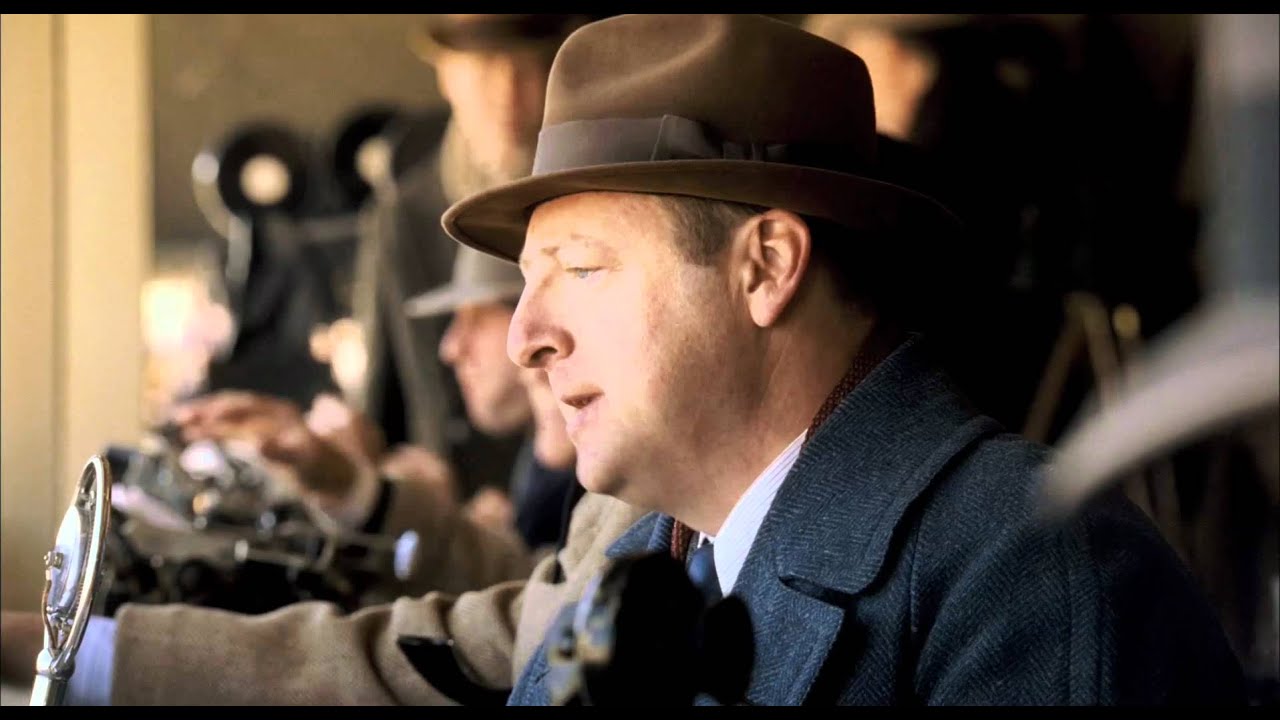
Released in 1993, Matinee serves as both a comedy and a cultural time capsule, capturing the anxieties of the early 1960s while celebrating the unique community experience of traditional cinema-going. Directed by Joe Dante, whose earlier work includes the iconic 1984 film Gremlins, the movie is set against the backdrop of the October 1962 Cuban Missile Crisis—a period characterized by acute geopolitical tension and the looming threat of nuclear conflict.
The narrative centers on Lawrence Woolsey, played by John Goodman, a flamboyant and opportunistic independent B-movie producer who arrives in Key West, Florida. To maximize box-office returns for his latest creature feature, titled Mant! (a hybrid man-ant monster movie), Woolsey employs theatrical gimmicks, including simulated public protests and interactive theater effects known as "Atomo-Vision." The film’s protagonist, a teenage movie enthusiast named Gene Loomis (Simon Fenton), whose family has recently relocated to the area, becomes thoroughly captivated by Woolsey’s promotional spectacle.

Despite receiving modest commercial returns during its initial theatrical run, Matinee has since undergone a critical reappraisal. Film historians and genre enthusiasts frequently cite Dante’s work as a sophisticated meta-commentary on the exploitation film industry of the Cold War era. Furthermore, the film explores a timeless sociological phenomenon: the psychological sanctuary that public spaces, particularly movie theaters, provide during times of collective uncertainty. In an era where modern audiences similarly navigate global anxieties and rapid socio-political shifts, the thematic resonance of finding communal comfort in the dark of a cinema remains as potent as it was over three decades ago.
Early 2000s Nostalgia and Cult Classics: The Cultural Footprint of Uptown Girls
Moving forward a decade in cinematic history, the 2003 comedy-drama Uptown Girls represents a distinct era of studio filmmaking characterized by character-driven romantic comedies and urban coming-of-age narratives. Directed by Boaz Yakin, the film initially received mixed critical reviews upon its theatrical release by Metro-Goldwyn-Mayer. However, in the intervening years, the movie has cultivated a dedicated cult following, particularly among Millennials who encountered the film during its frequent television broadcasts and home video releases.
The story follows Molly Gunn, portrayed by Brittany Murphy, the carefree and privileged daughter of a deceased legendary rock musician. After her financial manager embezzles her inheritance, Molly is thrust into adulthood and forced to secure employment for the first time. She accepts a position as a nanny for Ray Schleine, an extraordinarily precocious and emotionally guarded eight-year-old child played by Dakota Fanning. Ray’s hardened exterior is a defense mechanism masking the grief and instability she experiences while her father remains comatose following a medical crisis.

The central dynamic of Uptown Girls relies on the traditional comedic and emotional framework of mismatched personalities finding common ground. As Molly introduces Ray to spontaneity and emotional expression, Ray imparts a sense of discipline and responsibility to Molly. Beyond its narrative structure, the film’s enduring popularity is deeply tied to the performances of its leads. Brittany Murphy’s energetic and vulnerable portrayal of Molly showcased her unique comedic timing and dramatic range, cementing her status as one of the defining screen presences of her generation. The film’s continued presence on streaming platforms like Prime Video ensures that these cultural touchstones remain accessible to new generations of viewers exploring early-2000s pop culture.
Hollywood’s Golden Age Revived: The Athletic and Romantic Dynamics of Leatherheads
Rounding out the trio of comforting cinematic options available on Prime Video is the 2008 sports comedy Leatherheads. Directed by and starring George Clooney, the film pays homage to the sophisticated screwball comedies of the 1930s and 1940s, such as those directed by Howard Hawks and Frank Capra, while exploring the nascent days of professional American football.
Set in 1925, the narrative follows Dodge Connelly (Clooney), the aging captain of the Duluth Bulldogs, a struggling professional football team fighting for financial survival during an era when the sport was considered a violent, disreputable pastime played in muddy fields rather than a polished corporate spectacle. In an effort to legitimize the league and attract larger audiences, Connelly recruits Carter Rutherford (John Krasinski), a decorated World War I hero and collegiate football phenomenon.

Rutherford’s arrival instantly elevates the sport’s profile, but it also draws the scrutiny of Lexie Littleton (Renée Zellweger), an ambitious and sharp-witted newspaper reporter dispatched by the Chicago Tribune to investigate whether Rutherford’s heroic wartime exploits are authentic or manufactured war propaganda. As Connelly and Rutherford compete for both athletic supremacy and Littleton’s affections, the film delivers rapid-fire dialogue, elaborate slapstick sequences, and classic romantic complications.
Industry analysts note that Leatherheads represents a specific auteur-driven subgenre within Clooney’s directorial career—one where the filmmaker utilizes classical Hollywood aesthetics to explore American history through an ironic, character-centric lens. While sports dramas often adhere to gritty, inspirational formulas, Leatherheads differentiates itself by emphasizing wit, period-accurate set design, and ensemble chemistry over conventional athletic redemption arcs.
The Strategic Role of Catalog Content in Modern Streaming Ecologies
The availability of films like Matinee, Uptown Girls, and Leatherheads highlights a broader strategic shift within the subscription video-on-demand (SVOD) market. As major media conglomerates face mounting pressure to demonstrate long-term profitability, the production volume of expensive, original high-budget series has occasionally plateaued. Consequently, platforms have increasingly relied on robust catalog acquisitions to maintain user engagement.
Industry data compiled by digital entertainment research firms indicates that comfort-viewing content—defined broadly as familiar, lighthearted, or nostalgia-inducing films released between 1980 and 2010—consistently drives high repeat-viewing metrics. Subscribers frequently utilize these titles as predictable alternatives to new, unfamiliar programming, particularly during weekend evenings when decision fatigue is highest.
By supplementing its September 2026 content lineup with historically and culturally resonant titles, Prime Video addresses the dual consumer demand for novelty and familiarity. Whether viewers are engaging with the Cold War satire of Dante’s Key West, the poignant comedic chemistry of Murphy and Fanning in New York City, or Clooney’s stylized depiction of 1920s gridiron athletics, these films offer an established emotional payoff. As digital streaming libraries continue to expand, the strategic curation of comforting cinematic artifacts remains an essential tool for platforms seeking to retain subscribers in an increasingly competitive media landscape.