Global Supply Chain Dynamics Reshape Ocean Shipping, Driving Early Peak Season and Future Uncertainty at Major U.S. Ports

The traditional rhythms of seasonal ocean shipping are undergoing a profound transformation, with companies increasingly abandoning conventional calendars in favor of opportunistic cargo movements. This strategic pivot, highlighted by Port of Los Angeles Executive Director Gene Seroka during a July 15 media briefing, signals a new era in global logistics where agility and adaptability supersede rigid scheduling. Rather than waiting for "perfect conditions," retailers and manufacturers are now making calculated decisions about when and how much to ship, balancing anticipated demand for events like back-to-school and holidays against a complex backdrop of tariffs, escalating fuel costs, and pervasive global uncertainty. This proactive approach has led to an unprecedented early peak season, characterized by robust cargo volumes at key U.S. gateways, even as the industry braces for a highly unpredictable future.
The Shifting Tides of Global Logistics
The move away from predictable shipping cycles is not an isolated phenomenon but rather the culmination of several years of unprecedented disruption in global supply chains. The COVID-19 pandemic, with its sudden shutdowns, demand surges, and labor shortages, exposed the fragilities of just-in-time inventory systems, compelling businesses worldwide to re-evaluate their strategies. Subsequent events, including geopolitical tensions, regional conflicts, and fluctuating energy markets, have further solidified the imperative for resilience over pure efficiency. Companies are no longer solely focused on minimizing inventory holding costs; instead, they are prioritizing the continuity of supply, even if it means incurring higher transportation expenses or carrying larger stock levels. This strategic shift reflects a broader global economic environment where unpredictability has become the new norm. The aim is to mitigate risks associated with potential bottlenecks, port congestion, labor disputes, or sudden policy changes, ensuring goods are on shelves when consumers demand them.
This strategic reorientation has redefined the concept of "peak season." Traditionally, the maritime shipping industry observed a distinct surge in cargo volumes in late summer and early fall, as retailers prepared for the holiday shopping season. However, the current landscape sees companies frontloading cargo much earlier in the year, effectively blurring the lines between what was once a clearly defined period of heightened activity. This "early peak season" is a direct response to lessons learned from past disruptions, where delays could lead to significant stockouts and lost sales. By moving goods ahead of potential future obstacles, businesses aim to build a buffer, safeguarding against the myriad of challenges that could arise later in the year.
Record Volumes and Early Peak Season Dynamics
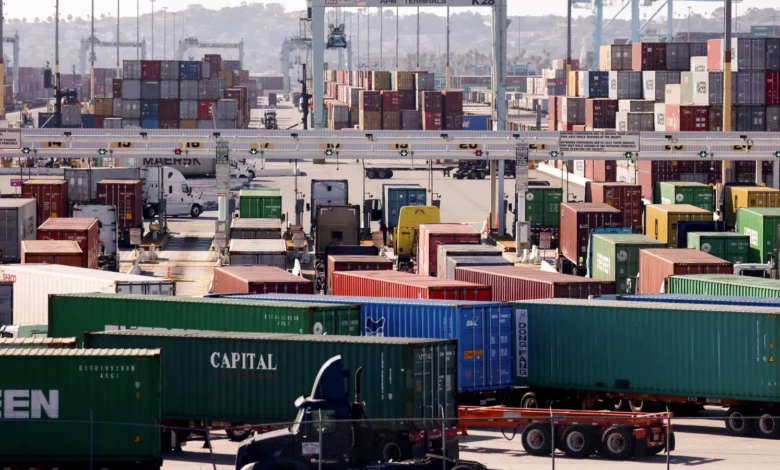
The impact of this strategic shift is vividly illustrated by the performance of major U.S. ports. The Port of Los Angeles, a critical artery for trans-Pacific trade, has reported exceptionally strong volumes throughout the current year as retailers and manufacturers aggressively frontload cargo. June 2026 marked a historic milestone for the port, processing over 1 million Twenty-foot Equivalent Units (TEUs) – a standard measure for container cargo. This figure represents the best June in the port’s 118-year history, underscoring the extraordinary efforts by businesses to secure their supply lines. The detailed breakdown for June at the Port of Los Angeles reveals significant year-over-year growth:
- Total Processed TEUs: 1,002,734, an impressive 12% increase year-over-year. This surge indicates a robust flow of goods through one of the busiest container ports in the Western Hemisphere.
- Loaded Imports in TEUs: 530,558, climbing 13% compared to the previous year. The substantial growth in imports highlights the aggressive inventory build-up by businesses.
- Loaded Exports in TEUs: 126,365, remaining flat year-over-year. While imports soared, the stability in exports suggests that the primary driver for increased port activity is inbound cargo.
- Empty Container Units in TEUs: 345,811, up 17% year-over-year. A rise in empty container movements often reflects efforts to reposition containers for new shipments, indicating sustained demand for vessel capacity.
Mirroring this robust activity, the Port of Long Beach, another vital component of the San Pedro Bay port complex, also experienced double-digit growth in June. The port processed nearly 780,000 TEUs, marking a significant 10.6% increase compared to the same period last year, according to a July 14 report. On the imports side, Long Beach saw TEUs rise by 11% year-over-year to 387,025, further corroborating the widespread trend of cargo frontloading.
Looking ahead, data indicates that July is poised to be another exceptionally strong month for cargo volumes. Seroka projected that the Port of Los Angeles would process above 900,000 TEUs, continuing the trend of elevated activity well beyond what would typically be considered the pre-peak season. This sustained high volume suggests that the strategic frontloading of cargo is not a one-off event but a prolonged operational adjustment by the industry. The National Retail Federation (NRF) has also released forecasts indicating that import cargo volumes are expected to set new records in the lead-up to potential August tariffs, further emphasizing the proactive measures taken by retailers.
The Shadow of Tariffs and Geopolitical Instability
Despite the current surge in cargo volumes, the outlook beyond July becomes considerably more opaque, as various interconnected factors introduce substantial uncertainty into the global shipping landscape. Seroka acknowledged that the picture "gets a little harder to read" as companies continuously adapt to rapidly changing conditions.
A primary source of this uncertainty revolves around trade policy, specifically the fate of Section 122 tariffs, which are set to expire on July 24. These tariffs, often implemented under specific trade acts to address perceived unfair trade practices or national security concerns, have been a significant factor in shaping import costs and supply chain decisions. The potential for their expiration, renewal, or modification creates an environment of regulatory ambiguity. If these tariffs are allowed to expire, it could provide some cost relief for importers, potentially altering future shipping strategies. Conversely, their renewal or imposition of new tariffs could lead to further frontloading, price increases for consumers, and shifts in sourcing strategies. Businesses have been actively managing this risk by expediting shipments to avoid potential tariff hikes, a tactic that has contributed significantly to the early peak season. The lack of clarity on such critical trade policies forces companies to operate with heightened caution, making long-term planning exceedingly difficult.
Compounding the trade policy concerns is the ongoing impact of geopolitical instability, particularly the Iran war, which continues to exert considerable pressure on transportation costs. Conflicts in strategically vital regions can disrupt key shipping lanes, such as the Red Sea and the Strait of Hormuz, which are crucial for global oil and gas transit, as well as broader maritime trade. Such disruptions necessitate longer rerouting of vessels, increased insurance premiums for shipping companies, and heightened security measures, all of which translate directly into higher operational costs. The ripple effect extends to global energy markets, driving up crude oil prices and, consequently, bunker fuel costs for ships.
Fuel, in fact, represents a substantial portion of a vessel’s voyage cost, often upwards of 30%. Fluctuations in global oil prices directly impact the profitability of ocean carriers and the cost of moving goods. Seroka highlighted that adjustments in fuel surcharges from ocean carriers are an inevitable consequence of these rising costs. He also pointed out a common industry phenomenon: "when prices go down, usually that surcharge remains elevated, and it lags for some time before it gets back to a price point that’s a little more reflective of what we see today in a snapshot in time." This "lag effect" means that even if fuel prices stabilize or decrease, the additional costs incurred by shippers due to elevated surcharges can persist for an extended period, further eroding margins for businesses and potentially leading to higher consumer prices.
Industry Reactions and Strategic Responses
In response to this complex and volatile environment, stakeholders across the supply chain are implementing multifaceted strategies. Retailers and manufacturers are no longer relying on lean, just-in-time models alone. Instead, they are adopting more robust "just-in-case" inventory strategies, carrying higher stock levels to insulate themselves from potential disruptions. This involves making significant capital investments in warehousing and inventory management, but it is deemed a necessary cost to ensure product availability and avoid stockouts that could damage brand reputation and customer loyalty. Industry analysts suggest that this shift represents a fundamental rethinking of supply chain philosophy, prioritizing resilience and reliability over minimal cost.
Logistics providers, including ocean carriers and freight forwarders, are also adapting by offering more flexible shipping options and leveraging advanced data analytics to provide enhanced visibility. Dynamic pricing models are becoming more prevalent, allowing carriers to adjust rates in real-time based on demand, capacity, and fuel costs. Investment in technology for tracking and tracing shipments, predictive analytics for potential disruptions, and improved communication platforms are crucial for navigating the current landscape.
Port authorities, recognizing their critical role in the global trade network, are also taking proactive measures. Beyond the Port of Los Angeles’s simulation exercises, many ports are investing heavily in infrastructure upgrades, automation, and labor training to enhance operational efficiency and resilience. This includes deepening channels, expanding terminal capacity, and implementing smart port technologies to streamline cargo flow. Collaboration between port management, labor unions, and logistics partners is also key to ensuring smooth operations during periods of high volume and uncertainty.
Navigating the Unpredictable Future
The Port of Los Angeles, under Seroka’s leadership, is not merely observing these trends but actively preparing for them. The port’s operations teams, encompassing both import and export functions, are routinely conducting simulation exercises. These simulations model various potential scenarios, such as the imposition of new tariffs or significant spikes in fuel prices. Following these exercises, teams reconvene to analyze the outcomes and formulate agile response strategies to handle any new developments effectively. This continuous planning and adaptation highlight the dynamic nature of modern port management and the imperative for proactive risk mitigation.
The broader implications of these shifts are far-reaching. For consumers, the proactive frontloading of cargo by retailers could lead to more stable product availability, mitigating the stockout issues seen during previous disruptions. However, the increased costs associated with higher fuel prices, tariffs, and enhanced inventory management are likely to be passed on, at least partially, through higher retail prices. For businesses, the operating environment is becoming increasingly complex and costly, demanding greater investment in supply chain resilience, advanced planning, and technological solutions. The competitive landscape will favor companies that can demonstrate superior agility and foresight in managing their global logistics.
Ultimately, the global trade landscape is settling into a "new normal" characterized by heightened volatility and the need for continuous adaptation. The era of predictable, seasonal shipping patterns appears to be largely over, replaced by a dynamic, event-driven approach to logistics. This profound transformation necessitates unprecedented levels of collaboration, strategic foresight, and technological integration across all stakeholders in the global supply chain, ensuring that the flow of goods can withstand the myriad economic, geopolitical, and operational challenges that define the modern era. The industry’s ability to navigate this persistent state of flux will determine its success in supporting global commerce and meeting consumer demands in the years to come.