Ukrainian Aerospace Startup Stetman to Launch Sovereign LEO Satellite Constellation by 2027 to Secure National Communication Independence.

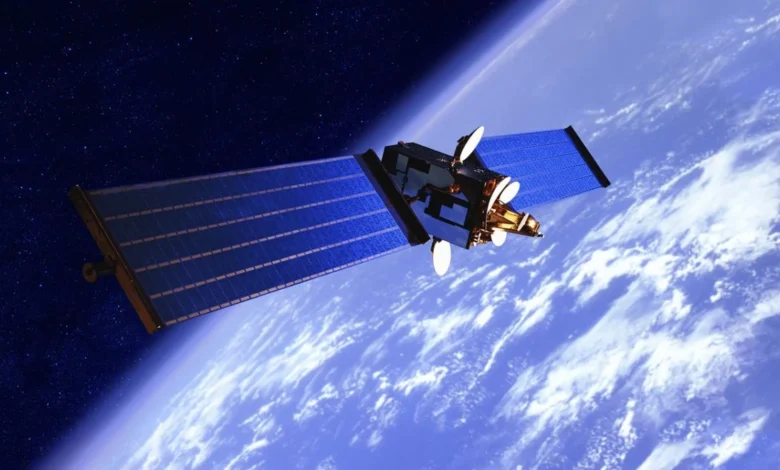
The Ukrainian technology firm Stetman has officially announced its ambitious roadmap to deploy a proprietary Low Earth Orbit (LEO) satellite constellation, with the first phase of commercial service scheduled to commence in 2027. This initiative represents a significant milestone for Ukraine’s burgeoning private space sector, aiming to establish a robust, sovereign communication infrastructure that reduces reliance on external providers. Despite the recent and tragic loss of the company’s founder, Dmytro Stetsenko, the project remains on a firm trajectory under the leadership of newly appointed CEO Kateryna Diachenko. The company’s strategic vision involves a 360-satellite network designed to provide high-speed, low-latency connectivity across the globe, with a specific focus on the unique security and logistical requirements of the Ukrainian state.
The technical foundation of the project rests on a planned orbital altitude of approximately 550 kilometers, a standard height for LEO constellations that minimizes signal delay and power requirements for ground terminals. A critical precursor to the full deployment is the launch of a technology demonstrator satellite, currently slated for October 2026. This test mission will be conducted in close collaboration with SpaceX engineers to validate the underlying hardware and software protocols. Following successful validation, Stetman intends to begin the full-scale deployment of the constellation, a process expected to span three years, reaching full operational capacity by the end of 2030.
Strategic Partnerships and Manufacturing Logistics
Stetman’s path to orbit is paved through high-level international cooperation, primarily with Danish satellite manufacturer GomSpace and the American aerospace giant SpaceX. Under a pre-existing partnership, GomSpace is tasked with the manufacturing of the 360 satellites that will comprise the finished network. GomSpace, a world leader in the "New Space" industry, specializes in nanosatellites and cubesats, providing the modular and scalable technology necessary for a constellation of this magnitude.
The choice of SpaceX as the primary launch provider was driven by a combination of economic pragmatism and flight proven reliability. Before his passing, Dmytro Stetsenko emphasized to industry reporters that SpaceX represented the most viable option for the startup, citing the company’s competitive pricing models and the high frequency of its Falcon 9 launch schedule. While a formal agreement for the entire 360-satellite deployment is still under negotiation, the October 2026 test launch serves as the inaugural contract in what Stetman hopes will be a long-term logistical alliance.
Kateryna Diachenko, in her first weeks as CEO, has prioritized maintaining these international ties. She recently held high-level meetings with GomSpace representatives to ensure that the manufacturing pipeline remains uninterrupted. These discussions also touched upon the long-term goal of technology transfer, as Stetman intends to localize a portion of the production process.
A Billion-Euro Investment in Digital Sovereignty
The financial scale of the Stetman project is unprecedented for a private Ukrainian aerospace venture, with total projected costs exceeding one billion euros. According to company representatives, this budget is not a single lump sum but will be raised and allocated in several distinct stages. The comprehensive budget encompasses the entire lifecycle of the constellation, including satellite design and manufacturing, software architecture development, launch service procurement, brokerage fees, and the salaries of a growing workforce of engineers and specialists.
The economics of the project are dictated by the high costs associated with space-grade hardware. Manufacturing and launching a single satellite in the Stetman constellation is estimated to cost between $2 million and $3 million. Given the target of 360 units, the hardware and launch costs alone account for a significant portion of the €1 billion budget, ranging from $720 million to over $1 billion depending on final mass and orbital insertion requirements. SpaceX’s Falcon 9, which can carry dozens of small satellites per mission via its Transporter rideshare program, offers a cost-effective solution, with typical launch prices ranging between $60 million and $70 million per flight.
Beyond the satellites themselves, a substantial portion of the investment is earmarked for domestic infrastructure. Stetman plans to establish a joint satellite manufacturing facility within Ukraine in partnership with GomSpace. If funding milestones are met, this factory could be operational as early as next year. The facility is expected to require an additional investment of several hundred million euros, providing a significant boost to the Ukrainian economy and creating hundreds of high-tech jobs. While specific funding sources remain undisclosed, the project is expected to draw interest from both private venture capital and strategic state-aligned investors.
Chronology of Development and Future Milestones
The timeline for Stetman’s LEO constellation reflects a phased approach to aerospace engineering and deployment:
- 2023–2024: Finalization of satellite design and partnership agreements with GomSpace and SpaceX.
- 2025: Commencement of construction for the Ukrainian-based satellite manufacturing facility.
- October 2026: Launch of the first technology demonstrator satellite to test LEO communication protocols and hardware durability.
- Early 2027: Official commencement of the full constellation deployment phase.
- Late 2027: Initial service launch for priority government and military sectors.
- 2028–2029: Incremental orbital filling to expand bandwidth and global coverage.
- 2030: Completion of the 360-satellite network and transition to full global commercial operations.
This timeline is ambitious, particularly given the ongoing geopolitical instability in the region. However, the company asserts that the urgency of the project—driven by the need for secure, independent communications—acts as a catalyst for rapid development.
Addressing Ukraine’s National Security Needs
The strategic importance of the Stetman constellation cannot be overstated in the context of Ukraine’s current security landscape. Andrii Kolesnyk, a former adviser to the head of Ukraine’s State Space Agency, has noted that for domestic coverage and essential state services, Ukraine requires a minimum of 150 dedicated satellites. The Stetman network, with its 360-satellite capacity, would not only meet this requirement but provide significant surplus bandwidth for international commercial use.
Stetman is already an established player in the defense and emergency services sector. The company currently supplies specialized communication equipment to the Ukrainian military, police, medical personnel, and various government institutions. Their current product line includes:
- Starmod Systems: Modified communication terminals engineered to withstand the rigors of frontline military environments, offering enhanced durability and signal protection.
- UASAT Terminals: Satellite terminals designed to operate through existing networks, providing immediate connectivity solutions while the proprietary constellation is under development.
By building its own constellation, Stetman aims to graduate from a hardware modifier and service integrator to a full-tier network operator. This transition would grant the Ukrainian government a level of "digital sovereignty" that is currently elusive. Recent years have highlighted the vulnerabilities of relying on third-party commercial providers for critical military and civil infrastructure. A sovereign network ensures that communication channels remain under national control, free from the shifting priorities or political pressures of foreign private entities.
Technical and Market Implications
The move by Stetman reflects a broader global trend toward the democratization of space. The "New Space" movement has seen the cost of orbital entry drop significantly, allowing medium-sized nations and private startups to compete in an arena once dominated by superpowers. Stetman’s 550km orbital shell is prime real estate in LEO, offering a balance between atmospheric drag and signal coverage.
However, the project faces significant technical challenges. Managing a constellation of 360 satellites requires sophisticated ground station networks and advanced automated collision-avoidance systems. Furthermore, the integration of the Starmod and UASAT terminals into the new proprietary network will require seamless software transitions to ensure that existing users can migrate to the Stetman constellation without hardware obsolescence.
From a market perspective, Stetman is positioning itself not just as a regional provider but as a global competitor. While the immediate focus is the security of Ukraine, the 360-satellite network will have a footprint that covers most of the inhabited world. This allows Stetman to market its services to other nations seeking secure, low-cost LEO alternatives to the dominant American and European constellations.
Conclusion and Broader Impact
The launch of Stetman’s LEO constellation project is a testament to the resilience of the Ukrainian high-tech sector. By aiming for a 2027 service start, the company is signaling its intent to be a long-term leader in the aerospace industry. The project represents a fusion of national defense necessity and commercial ambition, backed by a billion-euro investment strategy that could redefine Ukraine’s role in the global space economy.
As Kateryna Diachenko leads the company into this next phase, the focus remains on the October 2026 test launch. The success of that single satellite will likely determine the pace of investment and the confidence of international partners. If successful, Stetman will not only honor the vision of its late founder, Dmytro Stetsenko, but will also provide Ukraine with a vital technological shield, ensuring that its communications remain independent, secure, and resilient for decades to come.