KubeCon + CloudNativeCon India 2026 Marks a Pivotal Moment for LitmusChaos and Cloud-Native Resilience in the Indian Subcontinent

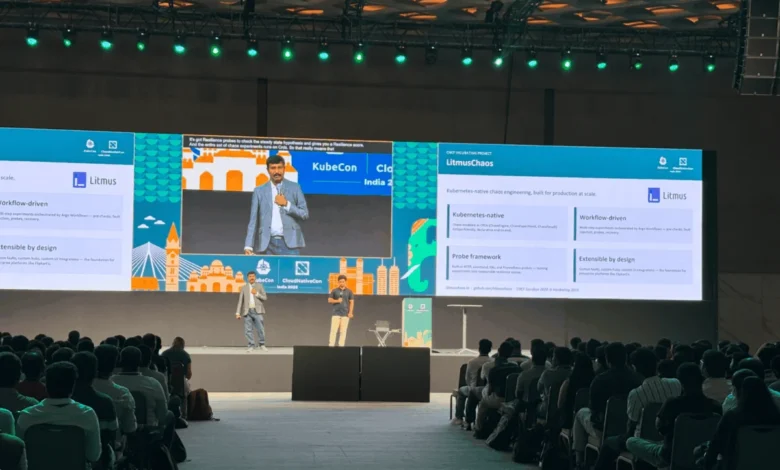
The bustling metropolis of Mumbai played host to KubeCon + CloudNativeCon India 2026 on June 18-19, an event that convened a vibrant cross-section of the global cloud-native community. For LitmusChaos, a prominent Cloud Native Computing Foundation (CNCF) project dedicated to chaos engineering, this particular conference transcended the routine, evolving into one of its most significant engagements to date. The project emerged from the two-day summit not only with a coveted keynote slot on the main stage but also with a consistently bustling project pavilion and a wealth of insightful conversations poised to shape its growth trajectory within India and across the wider cloud-native landscape. The event underscored India’s burgeoning role as a critical hub for cloud-native innovation and adoption, providing a unique platform for practitioners to share real-world challenges and solutions.
KubeCon + CloudNativeCon India 2026: A Landmark Event for Cloud Native in India
KubeCon + CloudNativeCon, organized by the CNCF, serves as the flagship event for the cloud-native ecosystem, bringing together developers, users, and vendors from around the world to discuss the latest advancements in technologies like Kubernetes, Prometheus, Envoy, and many others. India, with its rapidly expanding digital economy and a vast pool of IT talent, has become an increasingly vital market for cloud-native adoption. The 2026 India edition reflected this accelerating trend, drawing thousands of attendees eager to delve into topics ranging from container orchestration and microservices to serverless computing, service mesh, and, crucially, resilience engineering. The conference provided an unparalleled opportunity for networking, learning, and contributing to the open-source community, solidifying India’s position at the forefront of cloud-native development.
Flipkart’s Triumph: A Testament to Real-World Resilience at Scale
The undeniable pinnacle of the event for LitmusChaos unfolded even before the official opening remarks, with a significant announcement that resonated throughout the conference halls. Flipkart, India’s leading e-commerce giant, was declared the winner of the prestigious CNCF End User Case Study Contest India. This accolade, announced on June 17, celebrated Flipkart’s innovative and impactful adoption of cloud-native technologies, prominently featuring its advanced implementation of LitmusChaos for building robust, resilient systems. This significant recognition translated into a highly anticipated keynote presentation for both Flipkart and LitmusChaos on the main stage of KubeCon India 2026, marking a powerful validation of the open-source project’s efficacy in real-world, large-scale production environments.
Pritesh Kiri, representing LitmusChaos, reflected on the profound impact of this recognition, stating, "This honor is not merely about the project itself, but a testament to the real-world impact LitmusChaos is having at scale. It celebrates the organizations that have adopted it, built upon it, and generously contributed their learnings back to the community. Flipkart’s journey exemplifies this collaborative spirit and demonstrates the critical role chaos engineering plays in maintaining hyper-scale reliability." The award underscored the CNCF’s commitment to showcasing practical applications of its hosted projects, providing tangible evidence of their value to the broader industry.
From Reactive to Proactive: Flipkart’s Multi-Tenant Chaos Platform
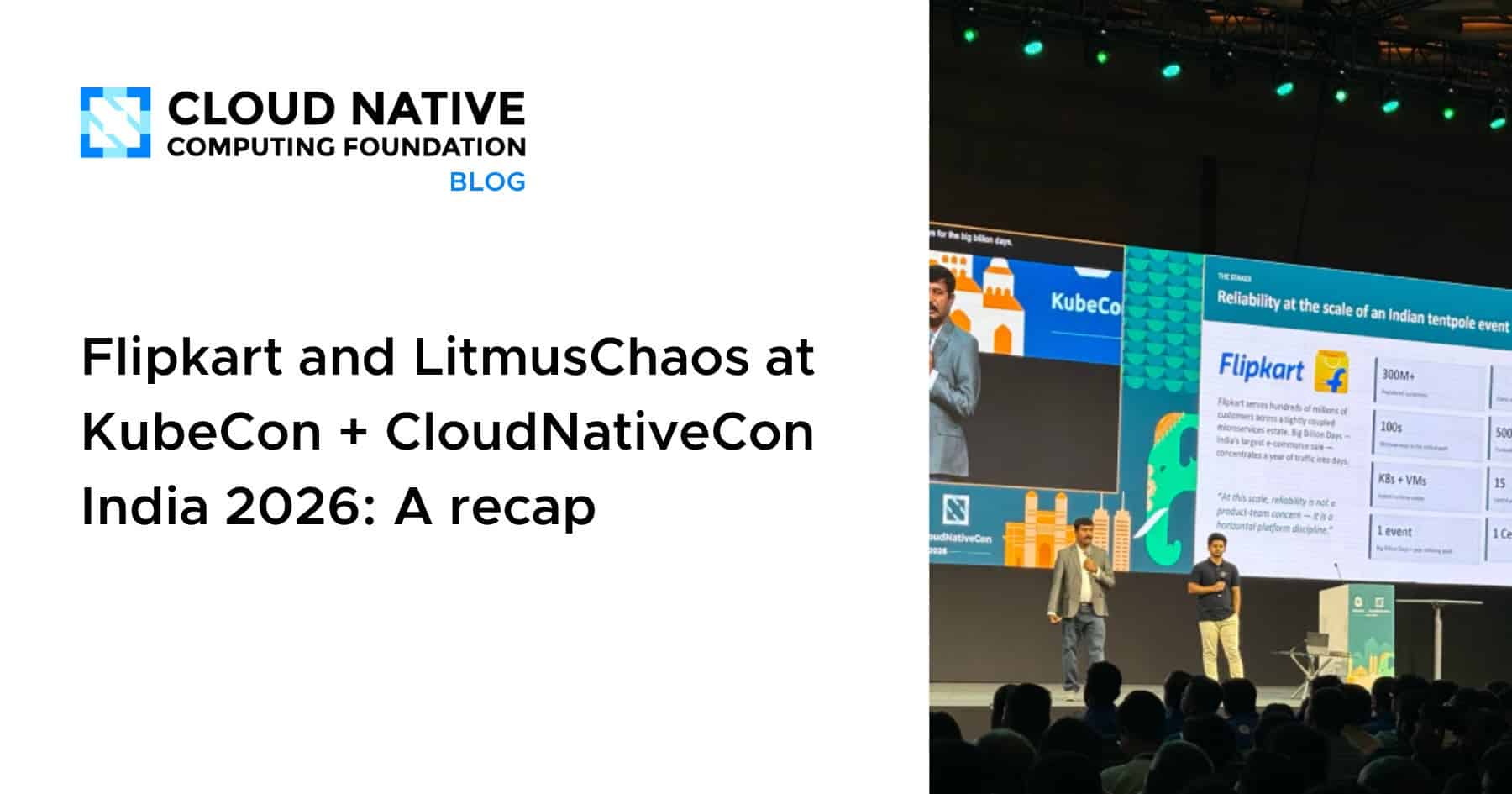
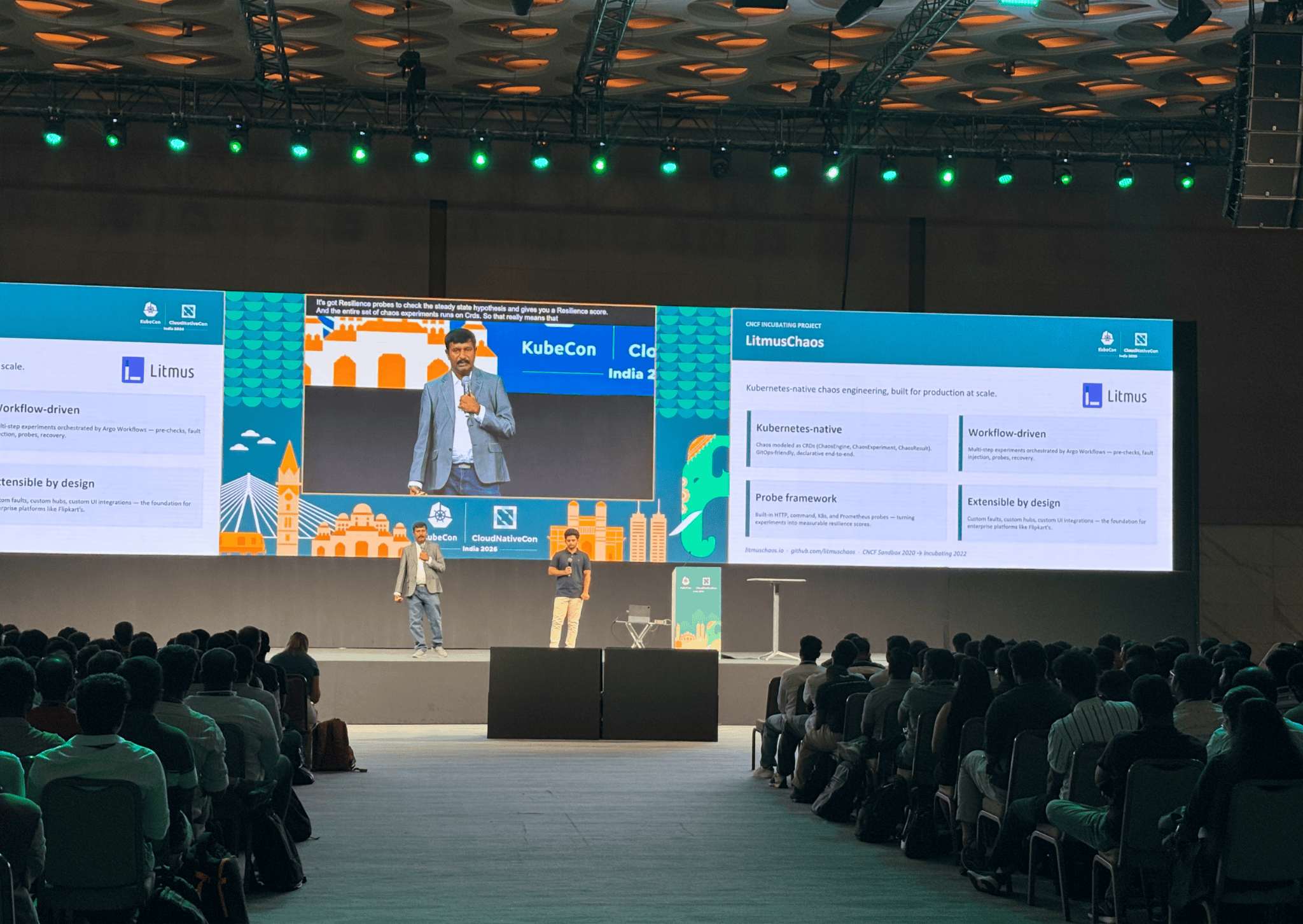
The keynote address, titled "From Afterthought to Practice: How Flipkart Built a Multi-tenant Chaos Platform on LitmusChaos," was delivered by Aditya Sridasyam, a Software Development Engineer at Flipkart, alongside Uma Mukkara, Head of Resilience Testing. Their presentation offered a deep dive into Flipkart’s journey towards establishing a proactive resilience strategy. For years, resilience at Flipkart, much like in many large enterprises, was often addressed reactively, after an outage had already occurred. This approach was no longer sustainable given the immense scale and complexity of Flipkart’s operations, particularly during peak traffic events like their annual "Big Billion Days" and other festive sales, which demand unwavering system stability.
Flipkart’s infrastructure comprises hundreds of tightly coupled microservices, forming a complex web that must withstand extraordinary loads. To transform their approach to resilience, Flipkart’s Central Reliability Engineering team embarked on building a sophisticated, centralized chaos platform, with LitmusChaos serving as its foundational technology. Aditya Sridasyam’s presentation stood out for its remarkable specificity, detailing four concrete and production-hardened customizations developed by Flipkart to effectively run LitmusChaos at their immense operational scale. These included:
- Hybrid Multi-tenancy Architecture: A custom solution that strategically positions between cluster-wide and namespace-wide installations, optimizing resource utilization and administrative overhead for diverse teams. This architectural choice allowed Flipkart to balance centralized control with team autonomy.
- DaemonSet-based High-Availability Model for Chaos Injection: This innovation ensured that chaos experiments could be reliably injected across their vast fleet of Kubernetes clusters, even in the face of underlying infrastructure disruptions, thereby enhancing the robustness of the chaos platform itself.
- Script Runner Fault with Dynamic Target Selection and Context Chaining: This bespoke fault enabled Flipkart engineers to execute highly customized scripts, dynamically select targets for chaos experiments based on real-time conditions, and chain multiple fault injections together for more complex, realistic scenarios, significantly expanding the platform’s versatility.
- Hybrid VM Chaos Extension: Recognizing that not all workloads within their ecosystem resided on Kubernetes, Flipkart developed an extension to apply chaos engineering principles to virtual machine-based workloads, ensuring comprehensive resilience testing across their heterogeneous infrastructure.
Uma Mukkara further elaborated on the collaborative nature of open-source development, highlighting how such invaluable contributions from large-scale adopters like Flipkart flow back upstream into the LitmusChaos project. These enhancements, born out of real-world production challenges, enrich the core project, making it more robust, versatile, and applicable for the entire community. The full scope of Flipkart’s reference architecture, platform design, and measurable impact figures are detailed in the official CNCF Flipkart case study, serving as a comprehensive blueprint for other organizations seeking to implement advanced chaos engineering practices.
The LitmusChaos Project Pavilion: Fostering Community and Innovation
Beyond the main stage, the LitmusChaos project booth within the bustling project pavilion emerged as a vibrant hub of activity throughout the two-day conference. The booth reportedly welcomed between 100 and 200 visitors, indicative of the intense interest in chaos engineering within the Indian cloud-native community. Conversations at the pavilion were diverse, spanning from initial introductions to the concept of chaos engineering for newcomers to highly technical deep dives into architectural considerations and potential integrations for seasoned practitioners. The engagement reflected a community actively seeking practical solutions to ensure system reliability in increasingly complex environments.
Emerging Trends and Community Insights from the Pavilion
Several key themes consistently emerged from the discussions at the LitmusChaos booth, providing valuable insights into the evolving landscape of cloud-native resilience:
- Resilience Testing and Reliability in the Age of AI: A significant portion of the conversations revolved around the unique fragility of AI inference workloads. Attendees expressed keen interest in understanding how chaos engineering could be adapted to test and ensure the reliability of these novel systems, which often exhibit different failure modes and performance characteristics compared to traditional microservices. The implications of AI’s increasing integration into critical business processes necessitate a proactive approach to their resilience.
- ChaosHub: The Default Fault Library: Many visitors were introduced to ChaosHub for the first time – LitmusChaos’s extensive, ready-to-use fault library. This revelation often surprised attendees, who realized the breadth of available experiments covering Kubernetes, Linux, AWS, GCP, and other environments, significantly lowering the barrier to entry for implementing chaos engineering.
- Automating Chaos in CI/CD: A prevalent request was for guidance on "shifting chaos left" – integrating chaos engineering earlier into the software development lifecycle. Discussions centered on practical methods for embedding LitmusChaos into CI/CD pipelines using tools like LitmusCTL, various SDKs, and Terraform, all designed to facilitate seamless integration without necessitating a complete overhaul of existing delivery processes.
- Tool Comparisons and Ecosystem Positioning: Given the growing ecosystem of chaos engineering tools, the LitmusChaos team engaged in several side-by-side comparisons. These discussions emphasized the unique value proposition of LitmusChaos as a CNCF-backed, community-driven open-source project, highlighting its long-term viability, transparency, and collaborative development model as key differentiators for sustained adoption.
- Custom Chaos and Best Practices: For organizations with highly specialized infrastructure patterns not covered by the default ChaosHub library, the team provided detailed guidance on building custom experiments. Discussions also extended to outlining best practices for establishing a mature chaos engineering practice at various stages of organizational adoption, from initial experimentation to enterprise-wide implementation.
- LitmusChaos MCP (Model Context Protocol): A significant innovation introduced at the conference was the LitmusChaos MCP. This integration, leveraging a Model Context Protocol, allows engineers to interact with and learn chaos engineering concepts through natural language. This feature promises to dramatically lower the barrier to entry, making chaos engineering more accessible and intuitive for teams just beginning their resilience journey.
- New Adopters and Validation: The announcement of Canonical and Intertech joining as official LitmusChaos adopters further bolstered confidence in the project. This news, coupled with Flipkart’s compelling keynote presentation on the same day, provided strong, tangible validation of LitmusChaos’s production-readiness and its growing acceptance within the enterprise landscape.
Beyond the technical discourse, the LitmusChaos booth fostered a vibrant and engaging atmosphere. A "Chaos Bird" game, a leaderboard-based adaptation of the popular Flappy Bird, offered a fun, interactive way for attendees to engage with the project, with top scorers winning exclusive LitmusChaos swag. Additionally, a separate random giveaway ran throughout both days, further enhancing visitor engagement and ensuring a memorable experience for all who stopped by.
Strategic Significance for LitmusChaos and the Broader Ecosystem
The KubeCon + CloudNativeCon India 2026 experience held immense strategic significance for LitmusChaos. The audience, largely comprised of practitioners actively building and operating complex systems in India, brought a unique perspective characterized by genuine interest and grounded, specific questions related to real-world constraints and large-scale operations. This level of community engagement is invaluable for an open-source project, as it directly informs development priorities, identifies areas for improvement, and fosters a more robust and relevant tool. The feedback received at the conference will undoubtedly shape future iterations and features of LitmusChaos.
The triumph of Flipkart in the CNCF End User Case Study Contest and their subsequent keynote presentation represent a significant milestone not only for the LitmusChaos project but also for the broader Indian cloud-native community. It showcased a home-grown success story of adopting and extending an open-source CNCF project to solve critical business challenges at an unprecedented scale. This achievement is expected to inspire more Indian enterprises to embrace chaos engineering and contribute their innovations back to the global open-source ecosystem. The LitmusChaos team expressed profound gratitude to Aditya Sridasyam and the entire Flipkart team for their willingness to share their groundbreaking work, and to Uma Mukkara for expertly anchoring the session, providing crucial context and insights. Gratitude was also extended to the CNCF and the event organizers for curating a platform that enables such impactful recognition and knowledge exchange.
Looking Ahead: Strengthening the Cloud Native Fabric
KubeCon + CloudNativeCon India 2026 served as a powerful affirmation of LitmusChaos’s growing prominence and its vital role in the cloud-native landscape. The event highlighted the increasing maturity of chaos engineering as a practice and the specific needs of hyper-scale environments like those found in India’s booming digital economy. The insights gathered, the connections forged, and the validation received will undoubtedly propel LitmusChaos forward, reinforcing its commitment to fostering a resilient and robust cloud-native future. The continued collaboration between open-source projects, end-users, and the broader community remains paramount in navigating the complexities of modern distributed systems and ensuring their unwavering reliability.