Building Blocks on the Grand Line: Inside Netflix and LEGO’s Animated One Piece Special with Showrunner Tom Hyndman

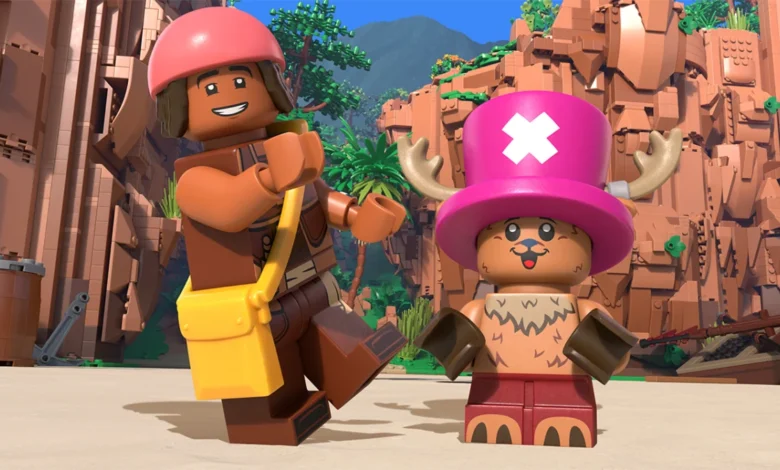
The intersection of global pop culture intellectual properties reached a new milestone as Netflix launched its innovative two-part animated special, LEGO One Piece. This unique crossover merges Eiichiro Oda’s legendary pirate narrative with the iconic, interlocking aesthetic of the world’s most famous construction toy. To explore the creative machinery behind this brick-built voyage, industry publication interviews reveal the extensive production efforts led by writer, showrunner, and executive producer Tom Hyndman. Drawing on his prior experience producing Netflix’s live-action adaptation of One Piece and writing for HBO Max’s critically acclaimed animated series Harley Quinn, Hyndman spearheaded the project to translate the sprawling mythos of the Straw Hat Pirates into a family-friendly, stylized format.
Main Facts of the Production and Narrative Scope
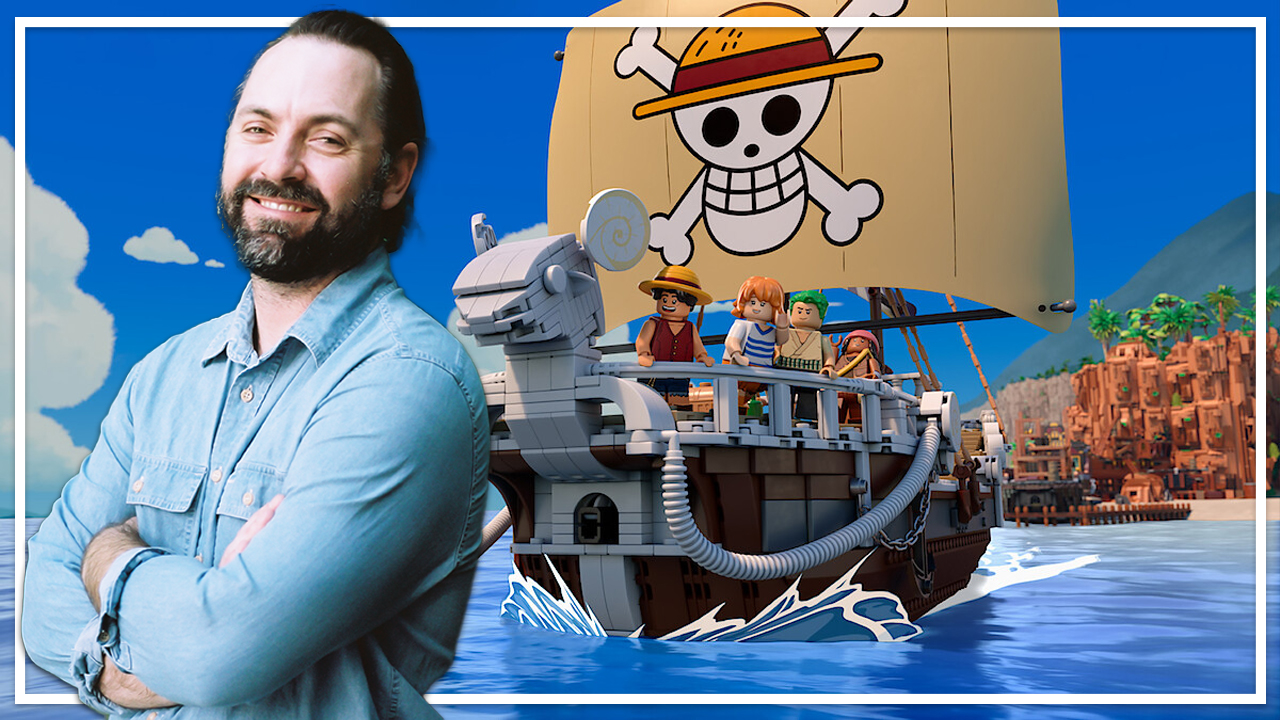
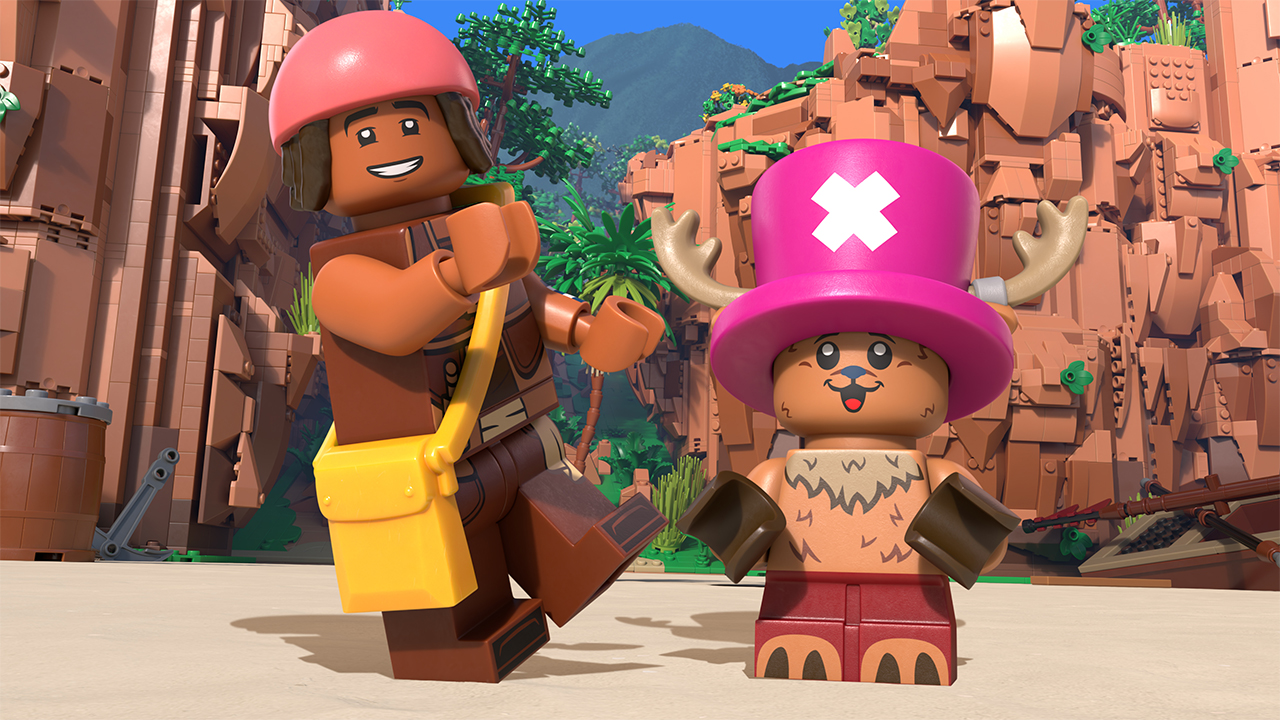
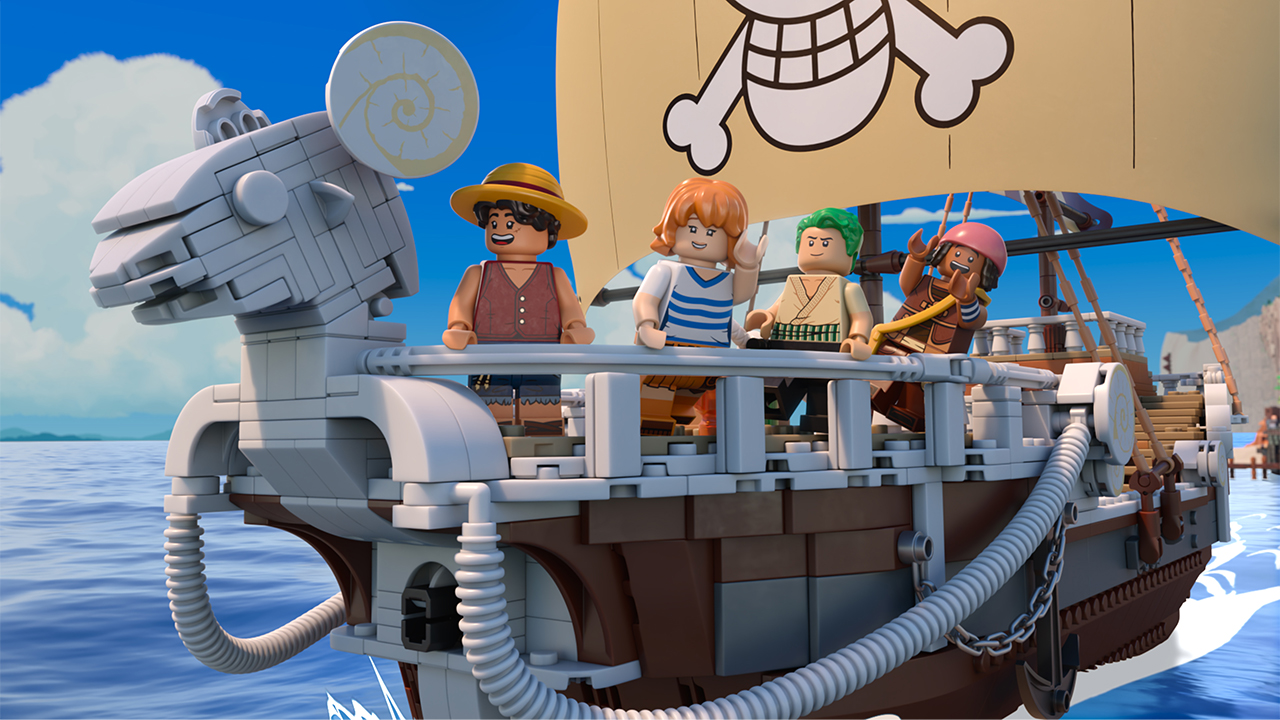
LEGO One Piece follows the foundational adventures of captain Monkey D. Luffy and his growing crew—Nami, Roronoa Zoro, Usopp, Sanji, and the newly integrated Tony Tony Chopper—as they traverse the perilous waters of the Grand Line in search of the ultimate treasure. Rather than a straightforward retelling, the special utilizes a framing device anchored by the crew’s notoriously unreliable sniper, Usopp, who acts as the primary storyteller. Alongside the innocent and inquisitive reindeer-doctor Chopper, Usopp recounts past encounters with Marines, fishmen, and a criminal syndicate, injecting his trademark dramatic license into every tall tale.
The two-part special serves a dual purpose for Netflix: it acts as a playful narrative bridge leading up to the much-anticipated third season of the live-action series, while simultaneously broadening the franchise’s demographic reach. By filtering the occasionally visceral violence of the original manga and anime through the universally recognized visual language of LEGO, the production opens the Grand Line to younger audiences and casual viewers who may find the thousands of source chapters or episodes daunting.
Chronology and Development Timeline
The genesis of LEGO One Piece traces back to late 2024, a period marked by intensive cross-corporate negotiations given the numerous entities involved in the One Piece and LEGO licenses. According to Hyndman, initial discussions began around November 2024 to iron out the logistical framework. By February 25, 2025, formal production meetings commenced, setting off a rapid development cycle that culminated in the 2026 release.
This swift turnaround was significantly aided by the creative continuity provided by the live-action cast. Actors such as Jacob Romero Gibson (Usopp), Mikaela Hoover (Tony Tony Chopper), and Jeff Ward (Buggy the Clown) transitioned seamlessly from physical sets to the recording booth. Because the core cast had already spent years embodying their respective roles across multiple seasons of Netflix’s live-action adaptation, the transition required minimal exposition. Instead of dramatic heavy lifting, voice direction primarily focused on amplifying the performers’ energy to match the naturally hyperbolic environment of animated LEGO media.
Creative Collaboration and Visual Hybridization
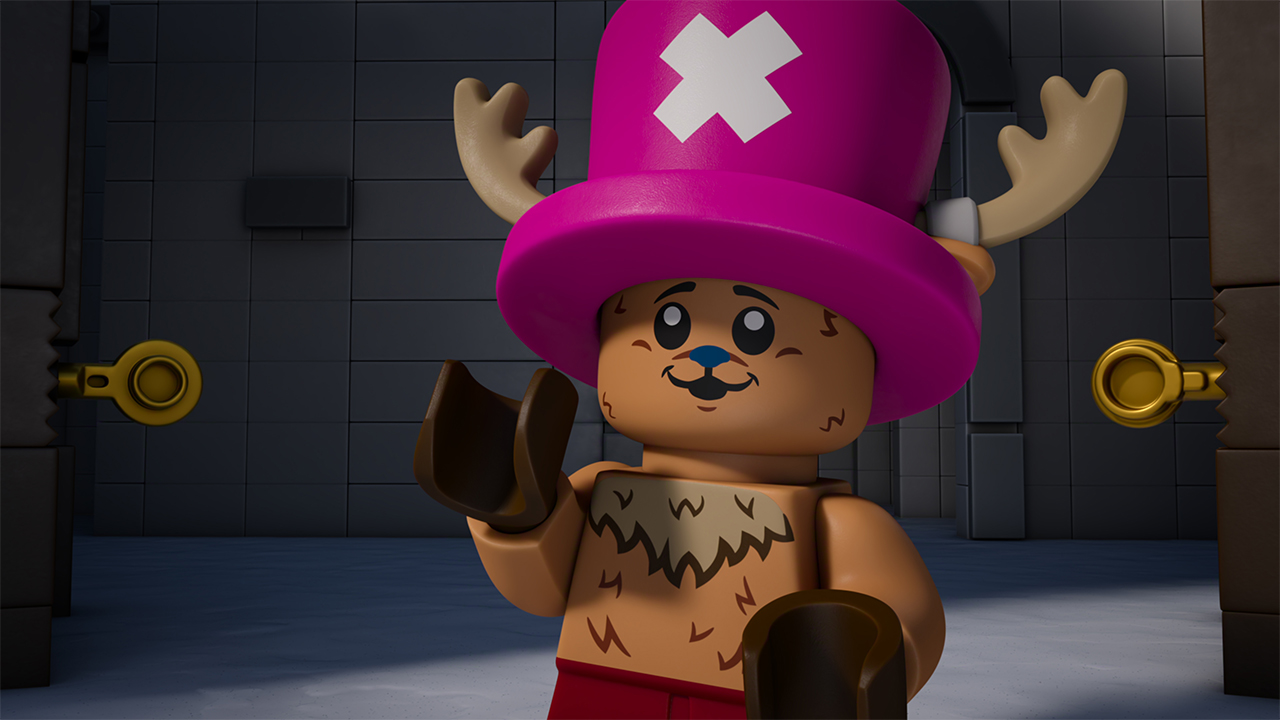
A critical element of the special’s distinct identity lies in its visual direction, spearheaded by director Chelsea Kerr and a team of artists deeply versed in both LEGO animation conventions and the source manga. Hyndman has frequently highlighted the collaborative synergy that allowed the production team to saturate the episodes with easter eggs and deep-cut references tailored for long-term fans of Eiichiro Oda’s work.
Breaking away from traditional, uniform LEGO animation standards, the production introduced hybrid visual techniques. Chelsea Kerr proposed integrating distinct 2D animation flourishes directly into the brick-built framework to pay homage to the original manga’s art style. Furthermore, certain backgrounds were executed as digital matte paintings rather than constructed entirely of digital bricks. This artistic choice aimed to elevate the aesthetic quality of the special, making the environments distinct from standard tie-in media while securing immediate approval from corporate stakeholders at LEGO.
Villains and Comedic Translation
Translating antagonists from the expansive One Piece rogues’ gallery into LEGO form presented unique creative opportunities. Hyndman noted that characters like Wapol—described as an excessively confident and loudmouthed villain with a bizarrely dangerous ability—functioned as ideal comedic boss fights. The inherently ridiculous nature of the character aligned effortlessly with the comedic sensibilities of LEGO storytelling.
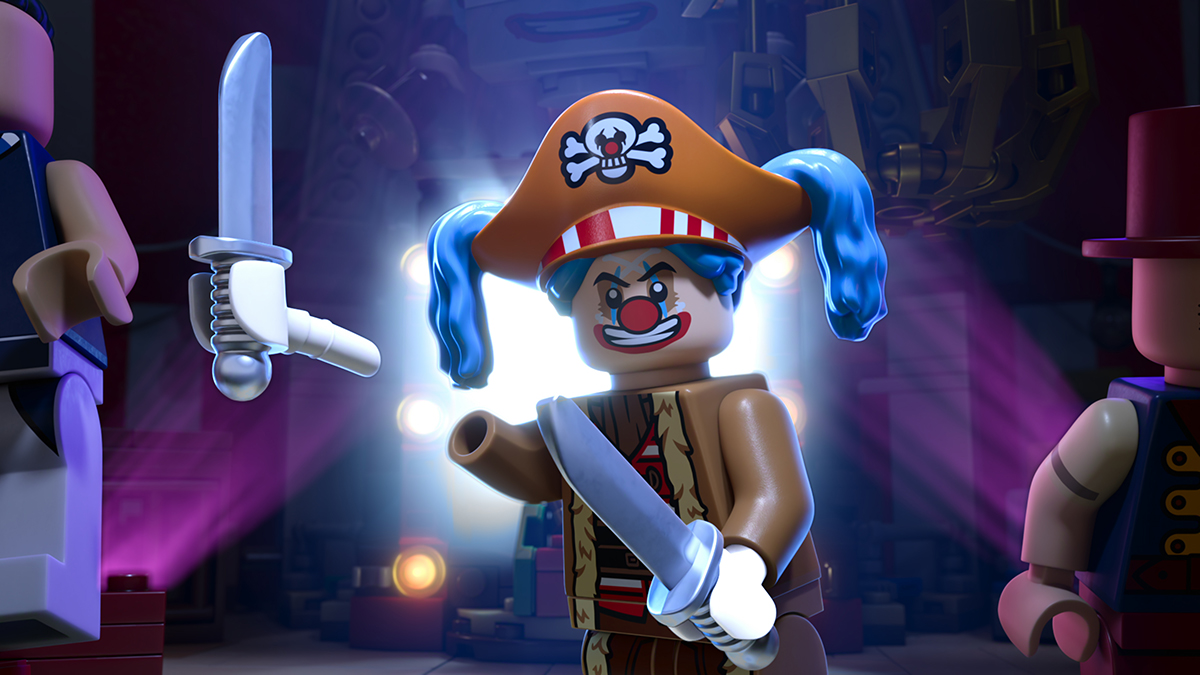
Similarly, Jeff Ward’s portrayal of Buggy the Clown required virtually no structural adjustment to fit the animated brick universe. Having lived with the character through the first two seasons of the live-action series, Ward brought an innate theatricality that translated directly into the voice recordings, proving that certain over-the-top personalities require no amplification to achieve peak comedic effect.
Broader Impact and Strategic Implications for Netflix
The release of LEGO One Piece highlights a broader corporate strategy by streaming platforms to leverage established intellectual properties through cross-medium expansions. By utilizing high-profile brand partnerships, companies can maintain audience engagement during gaps between major live-action seasons. For the One Piece franchise specifically, which spans a multi-decade-long manga, a long-running Toei Animation anime series, and a major live-action adaptation, the LEGO special acts as a low-barrier entry point for uninitiated viewers.
Industry analysts observe that cross-demographic programming helps fortify long-term franchise loyalty. By capturing younger demographics through the globally recognized toy brand, Netflix ensures a continuous pipeline of future consumers for the primary live-action and animated properties. At the same time, the inclusion of nuanced narrative framing and insider references rewards dedicated fans who analyze every frame for hidden details.
As the Straw Hat Pirates continue their voyage toward Alabasta and beyond in the live-action continuity, the success of experimental detours like LEGO One Piece demonstrates the remarkable elasticity of Eiichiro Oda’s creation. Whether rendered in flesh and bone, traditional ink and paint, or standardized plastic bricks, the core spirit of adventure that defines the Grand Line continues to resonate across diverse multimedia platforms.