Meta Opens Early Access for Muse AI Agent Following Major Connect 2026 Announcements

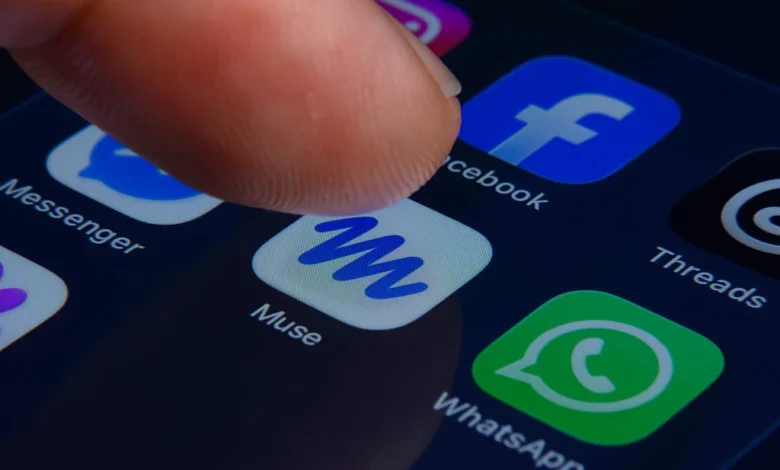
Meta has officially opened early access requests for Muse, its flagship artificial intelligence agent, giving users a direct pathway to test out a robust suite of upcoming features. The announcement, made on Friday, September 25, 2026, comes on the heels of Meta’s annual Connect developer conference, where the tech giant showcased a sweeping transformation of its AI ecosystem. By utilizing a conversational prompt-based enrollment method, Meta is actively bypassing traditional randomized beta-testing models, targeting power users and AI enthusiasts directly to secure high-value market feedback.
The rollout of early access represents a critical phase in Meta’s ongoing race for artificial intelligence dominance. As the consumer AI landscape grows increasingly crowded with competitors like OpenAI, Google, and Anthropic, Meta is leveraging its massive hardware and software footprint—spanning smart glasses, desktop applications, and mobile devices—to integrate Muse deeper into the daily workflows of everyday users.
Chronology of the Muse AI Evolution and Connect 2026 Announcements
The journey toward the current early access campaign has been marked by rapid development cycles and strategic hardware-software integrations. Throughout 2025 and early 2026, Meta steadily positioned Muse as a versatile conversational agent capable of handling diverse user demands across its family of apps. However, the definitive turning point arrived during Meta’s Connect 2026 developer conference, held in late September 2026.
During the multi-day conference, Meta executives detailed a roadmap that redefines how users will interact with artificial intelligence. The announcements included the introduction of a responsive digital avatar for Muse capable of supporting fluid video chat interactions. Additionally, Meta revealed significant expansions into desktop computing, mobile utility, and wearable tech.
Just days after these high-profile revelations, Meta took to social media platforms, specifically X, on September 25, 2026, to announce the early access campaign. By publishing a specific interaction prompt—"Can you let the Muse team know I want to be part of the Muse early access program?"—Meta streamlined the registration process, allowing current app users to log their interest instantly through conversational commands rather than navigating traditional web-based sign-up forms.
Unpacking the New Features Coming to Muse
The early access program is designed to give select users a firsthand look at several cutting-edge capabilities slated for general release over the coming months. These features reflect Meta’s broader strategic pivot toward multimodal artificial intelligence, ambient computing, and deep platform integration.
Interactive Digital Video Avatars
One of the most visually striking updates announced at Connect 2026 is the introduction of a digital avatar for Muse. Unlike traditional text-based chatbots or static voice interfaces, this feature introduces a dynamic, visual counterpart that users can engage with through live video chats. This capability aims to make remote collaboration, digital companionship, and interactive learning feel more natural and human-centric.
Desktop Autonomy via the Muse Mac App
Meta is also expanding the footprint of its desktop software. The Muse Mac application is receiving a major upgrade that will allow the AI agent to interact directly with a user’s computer environment. Under designated user permissions, Muse will soon be capable of executing multi-step tasks across various applications, significantly reducing manual effort for repetitive digital workflows.

Camera-Free AI Glasses Integration
In a move that bridges software innovation with wearable hardware, Meta announced that Muse is coming to its lineup of camera-free AI glasses. Users will no longer need to rely exclusively on handheld screens or visual hardware to access the assistant. Instead, wearers can interact with Muse hands-free by simply uttering a designated wake word followed by a natural language command, paving the way for more seamless, ambient daily assistance.
Expanded Shopping Partnerships and Connectors
Commercial utility remains a central pillar of Meta’s monetization strategy. The updated Muse agent will feature an array of new shopping partnerships and third-party data connectors. These integrations will enable users to discover products, compare prices, and complete transactions directly through the conversational interface, transforming Muse from a mere productivity tool into a comprehensive digital marketplace assistant.
Strategic Implications of Meta’s Direct Enrollment Strategy
By inviting users into the early access program through a simple in-app prompt, Meta is breaking away from conventional software testing methodologies. Historically, technology companies rely heavily on A/B testing with randomized cohorts or closed invite-only beta programs to evaluate new software.
By contrast, Meta’s approach specifically courts dedicated AI enthusiasts and power users. Industry analysts note that this demographic is uniquely positioned to provide rigorous, high-level feedback because they frequently utilize multiple competing AI ecosystems simultaneously. These users possess a sharp understanding of current market benchmarks, latency standards, and UI/UX friction points.
Targeting this sophisticated user base allows Meta to stress-test advanced capabilities—such as desktop task automation and real-time video avatars—under demanding real-world conditions. The insights gathered from the early access pool will likely dictate the final polish, security parameters, and performance optimization of Muse before its commercial rollout.
Broader Market Context and Competitive Landscape
Meta’s aggressive push with Muse highlights the escalating intensity of the consumer AI agent market. As tech giants transition from basic text generators to autonomous agents capable of executing complex workflows across operating systems and hardware devices, user retention depends heavily on contextual awareness and cross-platform availability.
By integrating Muse natively across Mac desktop environments, mobile applications, and specialized wearable glasses, Meta is attempting to build an impenetrable ecosystem moat. Competitors are racing down similar paths, but Meta’s unique advantage lies in its vast social graphs, hardware distribution channels, and massive global user base.
As the early access requests roll in following the Connect 2026 announcements, the success of Muse will largely depend on its execution, reliability, and ability to deliver genuine utility over gimmickry. For now, Meta has successfully captured the tech industry’s attention, shifting the narrative from what artificial intelligence might do in the future to what consumers can request to test right now.