US Coast Guard and FBI Board US-Bound Oil Tankers in Gulf of Mexico Following Sophisticated Cyberattacks on Navigation and Propulsion Systems

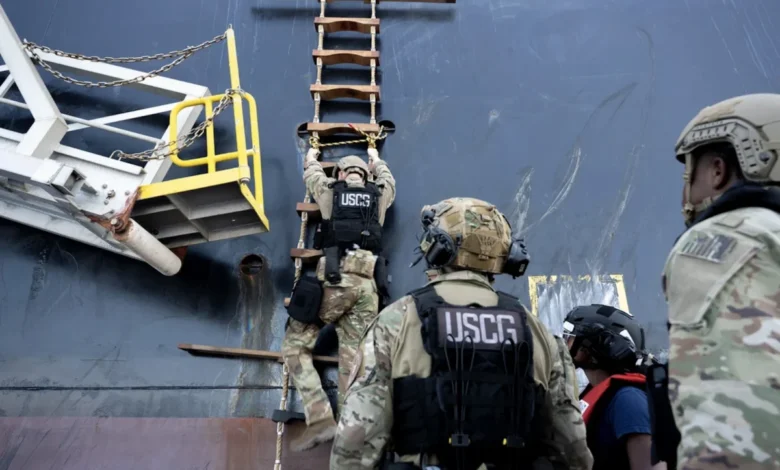
Federal law enforcement and cybersecurity agencies have launched an active investigation into maritime cyber warfare following a high-stakes operation in the Gulf of Mexico. Between August 21 and August 24, elite cybersecurity teams from the United States Coast Guard, alongside special agents from the Federal Bureau of Investigation (FBI), boarded two U.S.-bound oil tankers. The coordinated interdictions were executed after hackers successfully compromised at least one vessel’s digital architecture, gaining unauthorized control over critical operational infrastructure, including navigation, propulsion, and cargo management systems.
The incident highlights a chilling escalation in the vulnerability of global maritime logistics to remote cyber interference. As maritime supply chains become increasingly digitized, threat actors have targeted the complex, sprawling networks that modern mega-tankers rely upon to coordinate voyages, manage fuel consumption, and sustain operations on the open sea. While federal authorities have maintained strict confidentiality regarding the full scope of the investigation, investigative reporting and official disclosures have begun to shed light on a multifaceted operation that merges geopolitics, cyber espionage, and critical infrastructure defense.
Chronology of the Incident
The sequence of events leading to the dramatic boardings in the Gulf of Mexico began weeks prior to the Coast Guard and FBI intervention. According to intelligence and media reports citing Iranian media channels and confirmed by sources such as CBS News, the compromise began on August 7.
At the time, the VL Prosperity—a massive 333-meter oil tanker capable of transporting over two million barrels of crude oil—was underway, traveling from Egypt toward the United States. During the voyage, unknown cyber actors infiltrated the vessel’s onboard networks. The hackers reportedly succeeded in interfering with the ship’s speed and fuel systems, throwing its automated mechanics into erratic behavior. Compounding the danger, the tanker suffered a complete communications blackout, losing contact with the outside world for more than twenty-four hours.
Recognizing the severe physical and operational risks posed by the digital takeover, the vessel’s crew, captain, and on-shore management cooperated fully with maritime authorities. As the tanker approached U.S. waters in the Gulf of Mexico, the Coast Guard and the FBI prepared an intervention plan. Between August 21 and August 24, tactical and cyber teams boarded the VL Prosperity and a second associated tanker to conduct forensic examinations. Photographs released by the Coast Guard depicted armed federal personnel and cyber specialists climbing aboard the colossal vessel to inspect its compromised servers and control units.
Despite the alarming nature of the breach, officials confirmed that the swift response and cooperation of the crew prevented disaster. A joint statement released by the Coast Guard and the FBI noted that there were "no reports of operational disruptions, vessel instability, physical danger to crews, or environmental impacts" following the intervention.
The Geopolitical Context: Tracing the Threat to Iran
While federal agencies have refrained from officially attributing the cyberattack to a specific nation-state while the investigation remains ongoing, U.S. intelligence officials are closely examining potential links to the Iranian government. The timing and methodology of the breach align with a broader campaign of retaliatory cyber operations carried out by pro-Iranian hacktivist groups and state-sponsored entities.
Tensions between Washington and Tehran have reached a boiling point following a series of military escalations. A U.S. and Israeli-led military campaign against Iran, which resulted in the death of Iran’s supreme leader in February, sparked an unprecedented wave of digital retaliation. Iranian-backed threat actors have systematically targeted American critical infrastructure, attempting to inflict economic and logistical damage in response to widespread U.S. bombing campaigns.
The maritime cyberattacks do not exist in a vacuum; they are part of a wider pattern of hostile cyber activity documented extensively over the past year. In March, pro-Iranian hacktivist groups claimed responsibility for a destructive ransomware and data-wiping attack on medical device manufacturer Stryker. Shortly thereafter, in May, Iranian hackers were blamed for a sophisticated breach of the Los Angeles mass transit system, which paralyzed administrative networks and took weeks to fully remediate.
Furthermore, the Cybersecurity and Infrastructure Security Agency (CISA) confirmed that between July and August, hackers targeted more than 100 U.S. water and wastewater treatment facilities across multiple states. CISA has formally categorized these aggressive probes and compromises as "opportunistic" in nature, reflecting a strategy to probe any and all weak points in American critical infrastructure. The targeting of an oil tanker carrying millions of barrels of crude oil represents a dangerous evolution of this strategy, pushing cyber warfare from administrative and municipal networks directly into the realm of hazardous materials transport and heavy industry.
Vulnerabilities in Modern Maritime Logistics
The breach of the VL Prosperity underscores an uncomfortable reality for the global shipping industry: digitalization has outpaced cybersecurity. Modern oil tankers and container ships are essentially floating smart cities, utilizing complex Industrial Control Systems (ICS) and Operational Technology (OT) networks to maintain efficiency.
These networks control everything from ballast water management and engine performance to dynamic positioning and satellite navigation. Historically, ships operated in an isolated environment where physical air-gapping protected onboard systems from external interference. However, the modern push toward automation, remote monitoring, and continuous satellite internet connectivity has integrated these isolated operational networks with the broader corporate IT environment and the internet at large.
When hackers manage to bridge the gap between a vessel’s administrative Wi-Fi network and its critical navigation or propulsion controls, the consequences can be catastrophic. As demonstrated in the August 7 incident, unauthorized actors can manipulate propulsion speeds, override steering parameters, and disable communication systems, effectively holding a multi-billion-dollar asset and its hazardous cargo hostage from thousands of miles away.
Maritime cybersecurity experts have long warned that the sector is an attractive target for bad actors seeking to disrupt global supply chains, create environmental catastrophes, or cause economic panic. Oil tankers, in particular, represent high-profile targets due to their cargo capacity and their role as the lifeblood of global energy markets.
Official Responses and Inter-Agency Coordination
The successful execution of the August boardings highlights the growing collaboration between military, law enforcement, and intelligence agencies in addressing cyber threats that cross the physical and digital divide. The U.S. Coast Guard, traditionally viewed as a maritime safety and law enforcement agency, has increasingly integrated cyber defense into its core mission set, establishing specialized cyber protection teams capable of deploying directly to vessels at sea.
In their joint statement, the Coast Guard and the FBI emphasized that the primary objective of the Gulf of Mexico boardings was to "ensure the integrity of the vessel’s operational and information technology systems following indications that the networks of both vessels were compromised." By physically boarding the ships, forensic investigators were able to pull memory dumps from navigation servers, analyze log files, and isolate malicious code introduced during the August 7 breach before the vessels docked in populated U.S. ports.
Despite the release of operational photographs to CBS News and the confirmation of the VL Prosperity‘s identity, spokespersons for the Coast Guard and the Department of Homeland Security have declined to provide further details regarding the second vessel boarded during the four-day operation, citing the ongoing nature of the federal investigation.
Broader Implications for Global Trade and National Security
The incident involving the VL Prosperity serves as a watershed moment for maritime security. It bridges the gap between traditional homeland security concerns and modern asymmetric warfare, proving that physical borders no longer provide immunity against digital adversaries.
As geopolitical flashpoints continue to simmer, the security of international shipping lanes will depend heavily on the resilience of onboard cybersecurity architectures. Shipowners, operators, and port authorities face mounting pressure from regulators to upgrade their cybersecurity postures, implement rigorous network segmentation, and train crews to recognize and respond to digital anomalies.
The interception in the Gulf of Mexico averted what could have been an unprecedented environmental or navigational disaster, but it also sounded a klaxon for the global logistics sector. With nation-state actors and proxy groups increasingly willing to target critical industrial sectors, the defense of the world’s oceans is no longer just a matter of radar and armed patrols—it requires a robust, vigilant defense of the digital lines of code that steer the modern world.