Beyond the Ring Light: How Expertise, Evolution, and Strategy Are Redefining the Creator Economy in Fashion and Beauty

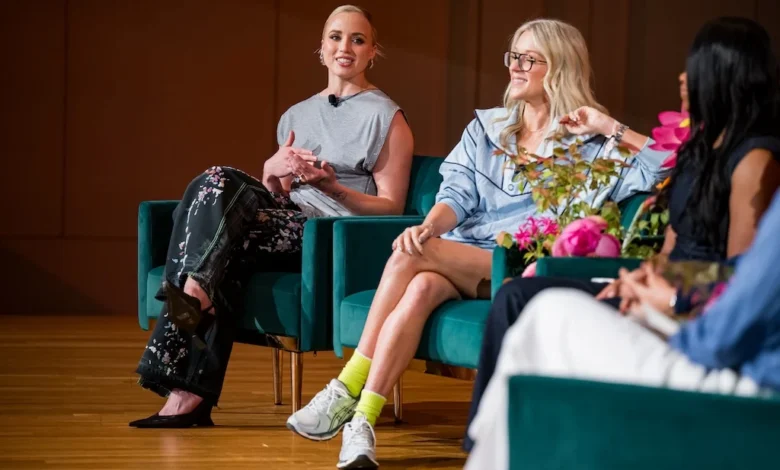
The modern fashion and beauty landscapes are experiencing a structural evolution, moving away from passive product placement toward a landscape dominated by specialized expertise, strategic brand co-creation, and long-term professional longevity. At the Glossy Pop NYC event held earlier this month, industry executives, high-profile creators, athletes, and traditional PR veterans converged to dissect the mechanisms driving the multi-billion-dollar creator economy. Against a backdrop of digital saturation, rapid advancements in artificial intelligence, and shifting consumer expectations, the discussions underscored a fundamental shift: the era of the generic social media influencer is giving way to a marketplace that demands tangible skill, deep industry knowledge, and rigorous authenticity.
The event, which brought together top-tier marketing talent and major brand stakeholders, served as a case study for the maturation of influencer marketing. Once characterized by one-off affiliate links and transactional product gifting, influencer partnerships have transformed into sophisticated business collaborations. Brands are no longer merely seeking reach; they are looking for cultural alignment, creative input, and verified authority. This transformation is reshaping how creators build their brands, how athletes transition into commercial powerhouses, and how traditional industry gatekeepers view digital commentary.
The Evolution of the Digital Creator: From Niche Origins to Lifestyle Expansion
As the creator economy enters its second decade, the traditional playbook of maintaining a rigid content niche is undergoing a critical reassessment. Creators who established their digital footprints in the late 2010s are discovering that long-term viability requires narrative flexibility rather than hyper-specialization.
Abby Baffoe, a prominent lifestyle and beauty creator who launched her online career in 2019 primarily focusing on hair tutorials, exemplifies this paradigm shift. Over the years, Baffoe has progressively broadened her content scope to encompass a comprehensive lifestyle format, sharing everything from wellness routines to daily styling choices. Addressing the audience at Glossy Pop NYC, Baffoe explained that while adhering to a strict niche can yield initial growth, it ultimately proved restrictive for her creative progression.
Despite transitioning away from a single-category focus, Baffoe has successfully sustained enduring, multi-year partnerships with legacy beauty brands such as TRESemmé and L’Oréal. Industry analysts point out that such enduring relationships are increasingly rare in a fragmented media ecosystem, highlighting that brands value creators who can organically weave commercial products into a broader, authentic lifestyle narrative rather than executing forced, transactional ad reads.
The Rise of the Athlete-Creator and Creative Co-Ownership
One of the most dynamic intersections within modern marketing is the convergence of professional sports and digital content creation. Brand marketers, eager to capture audiences fatigued by traditional digital advertising, have increasingly turned to elite athletes. However, today’s sports stars are rejecting the traditional role of passive billboards in favor of active participation in product development and campaign strategy.
WNBA star Hailey Van Lith offered a compelling perspective during the conference panels regarding athlete-brand collaborations. Historically, athletes were enlisted primarily for their athletic prowess to endorse products designed entirely without their input. Van Lith emphasized that her approach to commercial partnerships requires deep, collaborative engagement spanning aesthetic direction, product formulation, and marketing execution.
While acknowledging that some athletes view commercial partnerships merely as a supplementary revenue stream to their primary athletic careers, Van Lith highlighted her personal preference for hands-on involvement. By dictating the visual narrative of photo shoots and contributing to product rollouts, athlete-creators like Van Lith are redefining the commercial value of sports stars, transforming them from celebrity endorsers into creative directors and brand co-owners.
The Divergence of Content Strategies: Luxury Versus Mass-Market Campaigns
Despite the industry-wide rhetoric championing unfiltered authenticity, creators navigating the upper echelons of fashion and beauty often encounter rigid operational constraints. The reality of modern digital marketing reveals a stark contrast between executing campaigns for mass-market consumer goods and representing heritage luxury fashion houses.
Tessa Brooks, a multi-faceted creator, dancer, and actress commanding an audience of over 25 million followers across Instagram and TikTok, addressed the complexities of managing diverse brand portfolios. According to Brooks, executing campaigns for non-luxury brands typically centers on agility, experimentation, and the pursuit of viral engagement mechanics. Creators are often given the creative freedom to test trending audio, jump on platform-specific memes, and employ rapid-fire editing techniques designed to maximize algorithmic distribution.
Conversely, representing high-end luxury brands demands a vastly different strategic approach. Brooks noted that heritage luxury houses maintain uncompromising standards regarding brand equity, visual identity, and messaging control. For creators operating in this space, spontaneity is frequently replaced by meticulous adherence to brand guidelines, where maintaining the exclusive aura of the luxury label supersedes the pursuit of algorithmic virality.
Expertise Versus Opinion: The Critique of Modern Digital Influence
While creators continue to expand their commercial footprint, the foundational definition of an "influencer" is facing intense scrutiny from traditional industry leaders who argue that digital platforms have blurred the line between informed analysis and superficial commentary.
Kelly Cutrone, a veteran fashion publicist and founder of People’s Revolution, delivered a stark critique of the modern digital landscape during the event. Cutrone argued that the widespread adoption of the terms "influencer" and "micro-influencer" has diluted their professional significance. With the democratization of technology—where anyone can acquire professional-grade audio equipment and set up a ring light—the barrier to entry for offering public opinions on fashion and culture has effectively vanished.
Cutrone emphasized a critical distinction in the contemporary marketplace: the difference between holding an opinion and possessing genuine industry experience. She noted that digital platforms have created an environment where commentary is frequently conflated with professional expertise, posing challenges for consumers attempting to discern authoritative critique from subjective personal preference.
Real-World Credentials and Retailer Validation
The skepticism voiced by traditionalists like Cutrone finds practical validation in the ventures of seasoned beauty professionals who have successfully transitioned into entrepreneurial roles. Rather than relying solely on digital follower counts, these founders leverage decades of tactile, behind-the-scenes industry experience to secure high-stakes retail partnerships.
Mary Phillips, a celebrated celebrity makeup artist and founder of the cosmetics brand M.ph by Mary Phillips, shared insights into how professional credibility accelerates commercial success. When pitching her brand concept to major beauty retailer Sephora prior to the physical production of any inventory, Phillips was met with immediate enthusiasm.
According to Phillips, the retailer’s decision to commit to the brand was rooted directly in her decades-long track record of technical execution and industry mastery. Sephora’s receptiveness underscored a vital industry truth: retailers increasingly seek out founders whose foundational knowledge and real-life skills validate product efficacy, distinguishing professional beauty brands from transient, influencer-launched product lines.
Broader Implications and Future Market Outlook
The discussions at Glossy Pop NYC reflect a broader economic maturation within the digital media landscape. As venture capital funding tightens and consumers become increasingly discerning regarding sponsored content, the creator economy is undergoing a necessary consolidation phase.
Industry data indicates that while global influencer marketing expenditures continue to expand—projected to surpass tens of billions of dollars globally—return on investment (ROI) metrics are shifting. Brands are reallocating budgets away from vanity metrics, such as raw follower counts and high impression totals, in favor of conversion rates, audience retention, and proven consumer trust.
Furthermore, the integration of artificial intelligence into content creation and consumer analytics is expected to further polarize the market. Routine content generation is increasingly commodified by automated tools, raising the value of human expertise, authentic storytelling, and specialized physical skills—traits that AI cannot replicate.
For aspiring professionals seeking to enter the fashion and beauty sectors, the consensus from industry veterans is unequivocal. Success requires viewing the industry not merely as a digital content strategy, but as a rigorous, immersive professional lifestyle built on education, resilience, and verified competence. As the line between digital creator and traditional industry executive continues to dissolve, the future belongs to those who combine modern platform fluency with undeniable, real-world expertise.